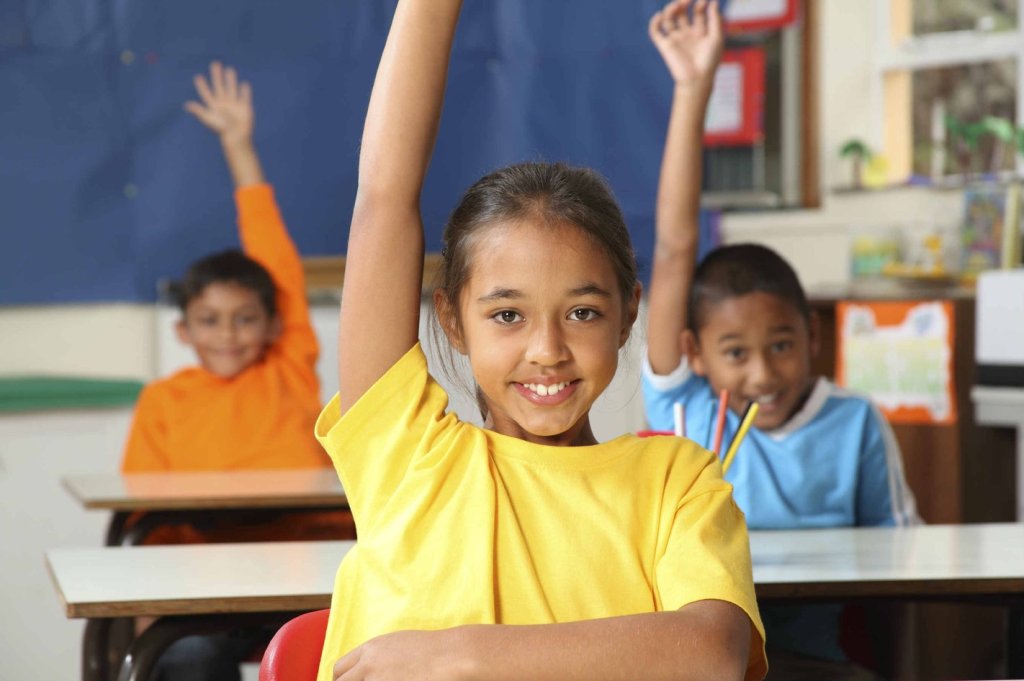
Classroom Discussions: Fostering Engaging and Inclusive Learning Environments
Introduction:
Classroom discussions are an integral part of the learning process, promoting critical thinking, collaboration, and active engagement among students. When conducted effectively, these discussions can create a dynamic and inclusive learning environment where ideas are shared, debated, and expanded upon. In this article, we will explore strategies for facilitating meaningful classroom discussions that encourage student participation and enhance their overall learning experience.
1. Establishing Ground Rules:
Before delving into classroom discussions, it is essential to establish ground rules that foster respect and inclusivity. Encourage students to actively listen to one another without interrupting or dismissing differing opinions. Promote open-mindedness by emphasizing the importance of considering multiple perspectives. By setting clear expectations from the start, you create a safe space for all students to share their thoughts.
2. Selecting Thought-Provoking Topics:
Choosing relevant topics is crucial in stimulating engaging classroom discussions. Ensure that the chosen subjects align with your curriculum goals while also resonating with your students’ interests and experiences. Real-world issues often capture students’ attention more effectively than abstract concepts alone. Incorporate diverse perspectives to encourage critical thinking and empathy among your learners.
3. Preparing Students:
A successful discussion requires adequate preparation on the part of both teachers and students. Provide pre-discussion materials such as articles, videos, or case studies related to the topic at hand so that students can familiarize themselves with different viewpoints before coming together as a class. This will enable them to form informed opinions based on evidence rather than personal bias.
4. Structuring Discussions:
To ensure productive conversations during class time, it is essential to structure your discussions effectively:
a) Opening: Begin each discussion session with an engaging prompt or question that encourages critical thinking among students right from the start.
b) Clear Objectives: Clearly communicate the objectives of each discussion session so that students understand what they are expected to achieve.
c) Time Management: Allocate sufficient time for each phase of the discussion, including opening statements, rebuttals, and concluding remarks. This prevents rushed conversations and allows for thoughtful contributions from all participants.
d) Moderation: As the facilitator, your role is to moderate the discussion and ensure that everyone has an opportunity to speak. Encourage quieter students by explicitly inviting their input while managing more dominant voices respectfully.
e) Summarizing: Conclude each discussion by summarizing key points raised during the session. This reinforces learning outcomes and helps students reflect on what was achieved.
5. Active Listening Skills:
Encourage active listening among students throughout the discussions. Teach them techniques such as paraphrasing or asking clarifying questions to demonstrate comprehension and engagement with their peers’ ideas. Emphasize the importance of building upon others’ contributions rather than simply waiting for a turn to speak.
6. Promote Collaboration:
Collaborative learning is crucial in classroom discussions as it fosters teamwork skills and encourages shared knowledge construction. Incorporate group activities where students work together before engaging in whole-class discussions. This collaborative approach allows learners to develop a deeper understanding of different perspectives while also strengthening their communication skills.
7. Encouraging Respectful Debate:
Debate can be an effective tool for enhancing critical thinking skills if conducted respectfully. Teach students how to express dissenting opinions without attacking individuals personally, emphasizing that disagreements should focus on ideas rather than people.
8. Assessing Student Participation:
To ensure equitable participation, provide opportunities for both introverted and extroverted students to contribute meaningfully during classroom discussions. Consider implementing strategies such as think-pair-share or small-group discussions before moving into larger class debates so that every student has an opportunity to engage actively.
Conclusion:
Classroom discussions have the potential to transform traditional educational settings into vibrant spaces of learning where ideas are explored collaboratively, encouraging intellectual growth among all students. By establishing ground rules, selecting thought-provoking topics, and structuring discussions effectively, teachers can create inclusive environments that foster critical thinking, empathy, and active engagement. Through respectful debate and collaborative learning experiences, students develop the skills necessary for success in both academics and their future endeavors.
 Alternative Amie
Leave a comment