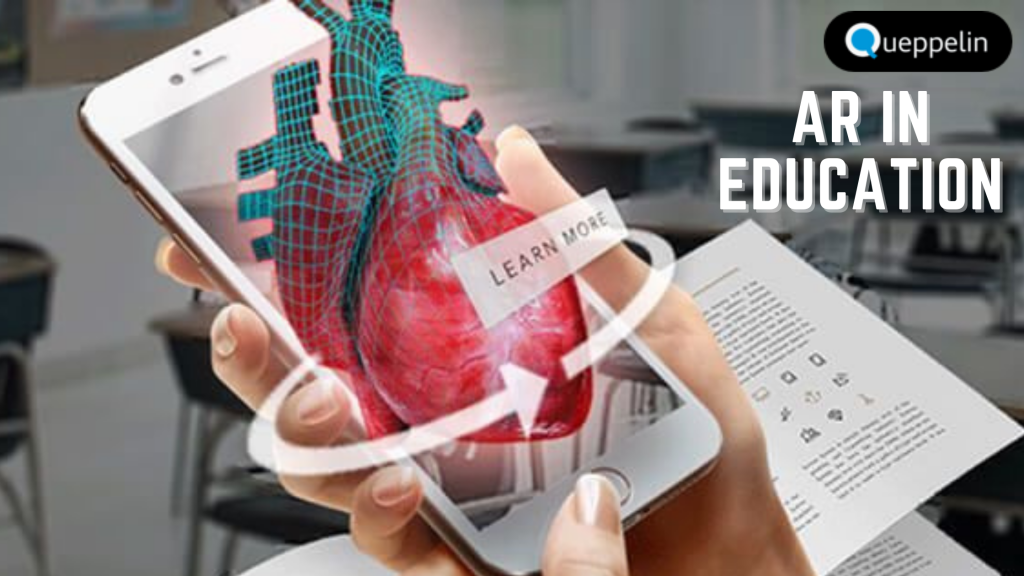
Augmented Reality in Education: Enhancing Learning Experiences
Education has always been at the forefront of technological advancements, constantly seeking ways to improve learning experiences for students. One such innovation that is revolutionizing the education landscape is augmented reality (AR). Augmented reality refers to the integration of digital information into a real-world environment, providing an interactive and immersive experience.
AR technology allows educators to enhance traditional teaching methods by overlaying virtual elements onto physical objects or spaces. This not only captivates students’ attention but also enables them to engage with educational content in a more hands-on and interactive manner. With AR, abstract concepts come alive, making it easier for learners to grasp complex ideas.
One area where AR has shown great potential is in science education. By using AR applications, students can explore scientific phenomena that are otherwise difficult or dangerous to recreate in a classroom setting. For example, they can witness chemical reactions unfold before their eyes or dissect virtual specimens without any harm being done. This not only fosters curiosity and interest but also deepens their understanding of scientific principles.
In history classes, AR can transport students back in time by recreating historical events and places virtually. Imagine walking through ancient ruins or witnessing significant moments like Martin Luther King Jr.’s “I Have a Dream” speech. Such immersive experiences make history more tangible and relatable than reading from textbooks alone.
Furthermore, language learning becomes more engaging with AR technology. Students can practice vocabulary and grammar skills by interacting with virtual characters who respond according to their spoken language abilities. This helps build confidence and fluency while creating an enjoyable learning atmosphere.
Moreover, AR promotes collaboration among students as they work together on shared projects using this technology. Whether it’s designing 3D models or conducting virtual experiments, learners develop teamwork skills while exploring innovative possibilities offered by augmented reality tools.
However, despite its numerous benefits, integrating AR into classrooms requires careful planning and implementation strategies by educators. Adequate access to devices, training for teachers, and aligning AR experiences with curriculum objectives are crucial factors to consider.
In conclusion, augmented reality has the potential to revolutionize education by transforming traditional teaching methods into immersive and interactive experiences. By incorporating AR technology in classrooms, educators can enhance learning outcomes while fostering curiosity, engagement, and collaboration among students. As this technology continues to evolve, it is essential for schools and educators to embrace the opportunities it presents for a more effective and engaging learning environment.
 Alternative Amie
Leave a comment