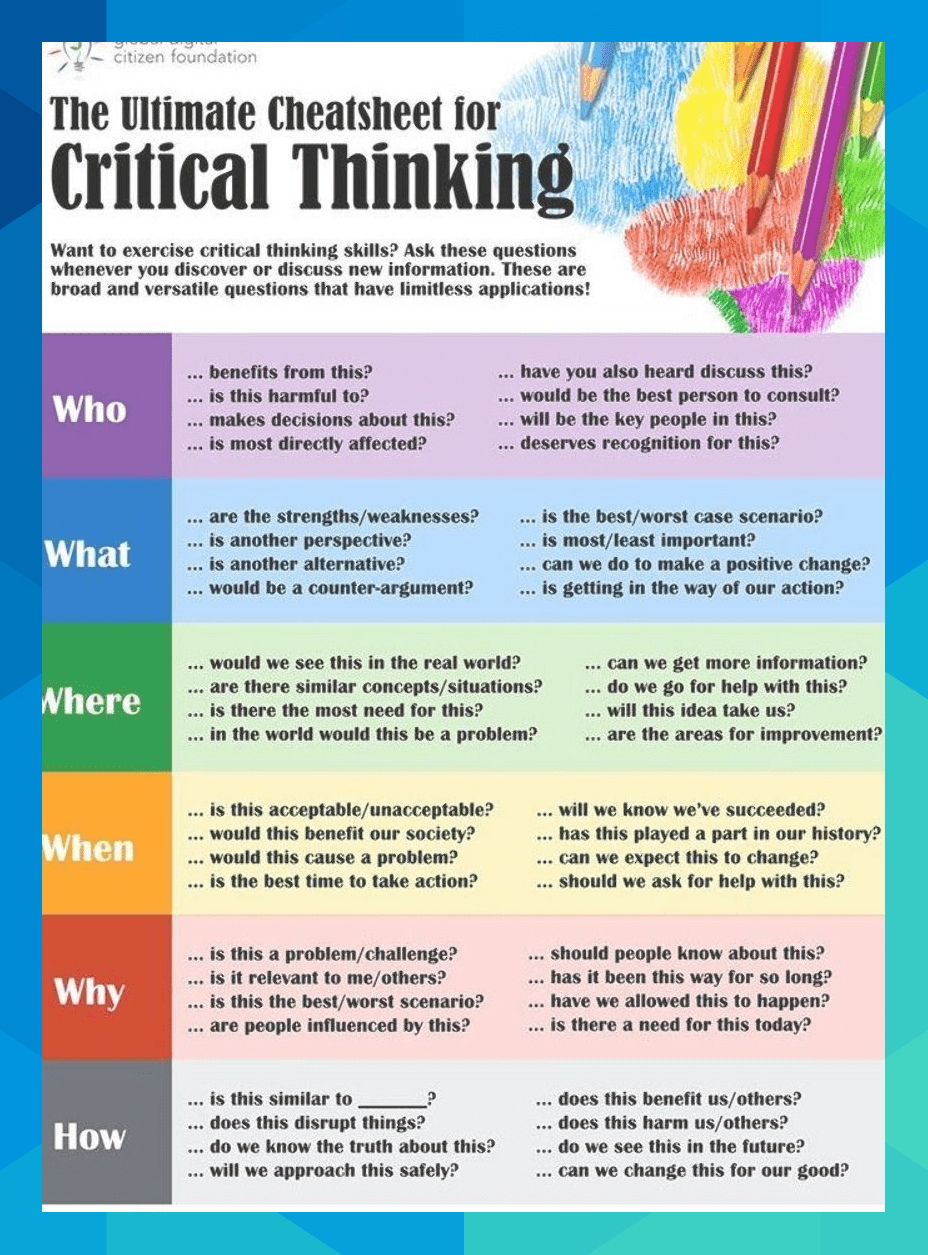
Critical thinking and problem-solving skills are essential for success in today’s rapidly changing world. These skills allow individuals to analyze information, evaluate evidence, and make informed decisions. They are especially important in alternative schooling and education where students are encouraged to think outside the box and explore unconventional learning methods.
So how can we develop critical thinking and problem-solving skills? Here are some practical tips:
1. Encourage questions: Foster a curious mindset by encouraging students to ask questions. This helps them develop their ability to think critically about the world around them. Create a safe space where no question is off-limits or considered silly.
2. Teach effective communication: Communication plays a significant role in problem-solving and critical thinking. Encourage students to express their thoughts clearly, listen actively, and engage in respectful debates with others. Provide opportunities for group discussions and class presentations.
3. Analyze real-world problems: Incorporate real-world scenarios into lessons to help students apply critical thinking skills practically. For example, present them with a current issue or challenge that requires creative solutions. Guide them through the process of analyzing different perspectives, considering consequences, weighing alternatives, and making an informed decision.
4. Use open-ended questions: Instead of asking simple yes/no questions or ones with obvious answers, pose open-ended questions that require deeper thought and analysis from students. This encourages critical thinking as they explore multiple possibilities before arriving at an answer.
5. Practice reflection: Reflection is crucial for developing problem-solving skills as it allows individuals to assess their own thought processes objectively. Integrate regular reflection exercises into lessons by asking students to evaluate their approach towards solving problems, identify areas for improvement, and suggest alternative solutions.
6.Encourage creativity: Creative thinking goes hand in hand with critical thinking when it comes to problem-solving skills development.Creative activities like art projects,music,and storytelling can enhance student’s abilityto think outside the box.Provide opportunities for hands-on activities that promote creativity and unconventional problem-solving approaches.
7. Provide a supportive environment: Foster an environment where students feel comfortable taking risks, making mistakes, and learning from them. Encourage independent thinking and provide constructive feedback that helps students refine their critical thinking skills further.
8. Integrate technology: Utilize technology as a tool for critical thinking development. Incorporate online research projects, virtual simulations, and interactive quizzes that require analysis and problem-solving skills.
9. Model critical thinking: As an educator or parent, modeling critical thinking is essential. Demonstrate how to approach problems systematically by verbalizing your thought process aloud when faced with challenges or decisions in daily life.
10.Provide resources: Equip students with books, articles,and resources that promote critical thinking.Encourage independent reading on topics of interest to help expand their understanding of different perspectives and ways of approaching problems
In conclusion,critical thinking and problem-solving skills are vital for success in alternative schooling environments.Fostering curiosity,effective communication,and reflection combined with real-world applications can lead to the development of these valuable skills.It’s important to create a supportive environment that encourages creativity while providing tools such as technology or educational resources.Through consistent practice and modeling,critical thinking becomes ingrained in students’ minds,enabling them to face future challenges confidently
 Alternative Amie
Leave a comment