Portfolios as a Tool for Parent Involvement and Communication
In the world of education, it is crucial to establish effective channels of communication between parents and teachers. When there is strong collaboration, students benefit greatly from a supportive home environment that complements their learning in school. One powerful tool that can foster such involvement and communication is the use of portfolios.
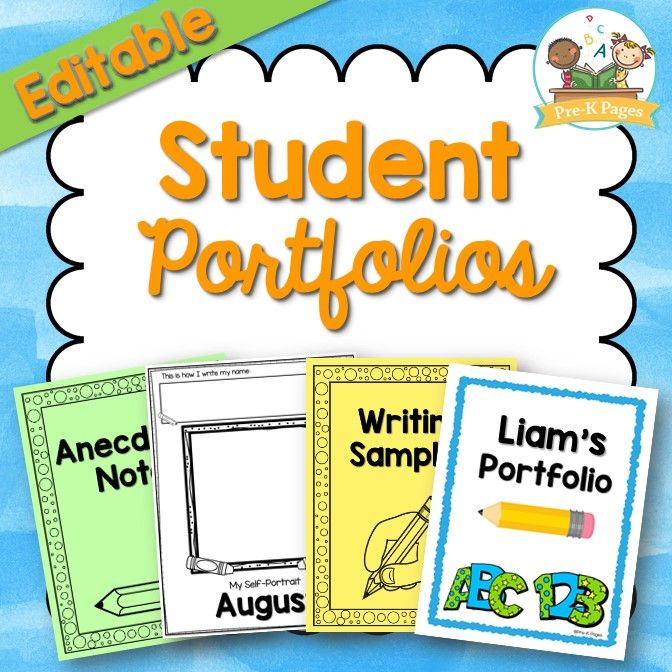
Traditionally, portfolios have been used by artists, writers, and designers as a collection or showcase of their work. However, in recent years, portfolios have found their way into the field of education as well. A student portfolio is essentially a curated collection of a student’s work throughout the academic year or semester.
The use of portfolios has several benefits when it comes to parent involvement and communication. First and foremost, portfolios provide parents with an opportunity to see their child’s progress over time. Instead of relying solely on report cards or occasional parent-teacher conferences, portfolios allow parents to witness firsthand the growth and development happening in their child’s learning journey.
Furthermore, portfolios promote transparency in assessment practices. Rather than relying solely on standardized tests or grades given by teachers, portfolios give parents insights into how various skills are being assessed through real-life examples of student work. This helps parents understand the criteria used for evaluation and provides them with a more comprehensive picture of their child’s strengths and areas for improvement.
Another advantage offered by using portfolios is that they encourage active participation from both parents and students in setting goals for academic growth. By reviewing previous works within the portfolio together with their child’s teacher, parents can identify areas where additional support may be needed or celebrate achievements already made.
Moreover, since portfolios include samples from different subject areas or disciplines (e.g., writing samples from English class or science projects), they offer opportunities for interdisciplinary discussions at home. Parents can engage in meaningful conversations with their children about what they are learning across subjects while also encouraging critical thinking skills.
In addition to fostering parent involvement, portfolios also serve as a tool for students to develop metacognitive skills. As they curate their own portfolio, students become more self-aware of their strengths and weaknesses. They gain the ability to reflect on their learning experiences and set goals for future growth.
While physical portfolios can be effective, digital portfolios have gained popularity due to technological advancements. Digital platforms allow for easy access and sharing between parents, teachers, and students. Moreover, digital portfolios provide an opportunity for continuous feedback through comments or annotations within the portfolio itself.
In conclusion, using portfolios as a tool for parent involvement and communication has numerous advantages in the educational setting. Portfolios provide parents with a window into their child’s progress over time while promoting transparency in assessment practices. They encourage active participation from both parents and students in goal-setting processes and interdisciplinary discussions at home. Furthermore, portfolios help students develop metacognitive skills that facilitate reflection and growth. Whether physical or digital, incorporating portfolios into education can strengthen the bond between home and school while supporting student success.
 Alternative Amie
Leave a comment