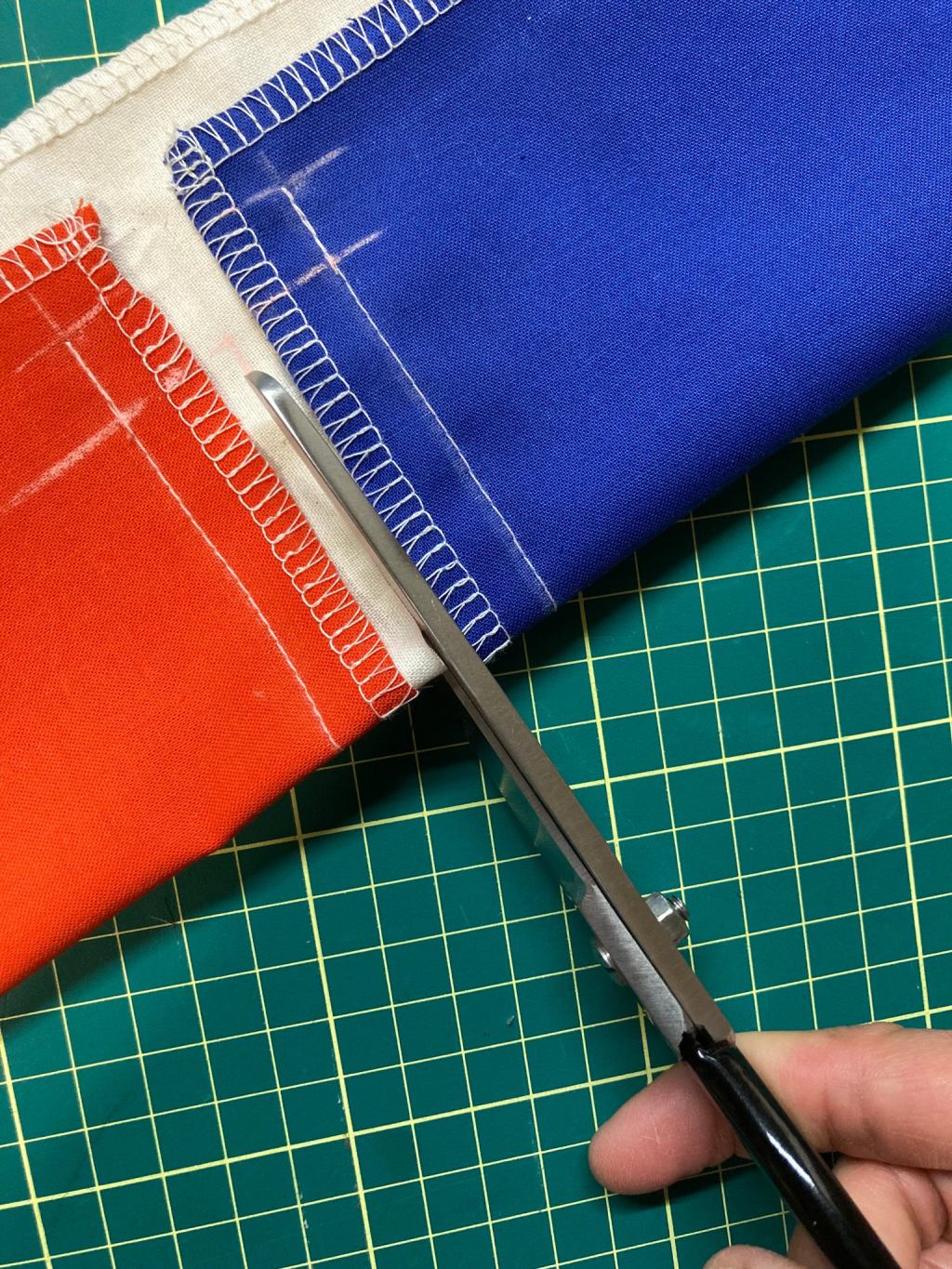
Sewing and Textiles: A Journey of Creativity and Skill Development
In today’s fast-paced world, where technology is ever-evolving, sewing and textiles may seem like skills of the past. However, these age-old crafts continue to hold immense value in our society. Not only do they offer a therapeutic escape from the digital realm, but they also nurture creativity and provide a platform for self-expression.
One of the most remarkable aspects of sewing is its ability to empower individuals with practical life skills. From simple repairs to creating intricate garments or home decor items, sewing equips learners with problem-solving abilities that transcend the confines of fabric manipulation. By understanding different stitching techniques and fabric properties, students can tackle various challenges head-on while fostering independence.
Moreover, sewing encourages resourcefulness by teaching individuals how to repurpose materials rather than discarding them. In an era where sustainability has become imperative, this skill becomes even more valuable. Students can learn how to transform old clothes into trendy outfits or breathe new life into worn-out linens through upcycling techniques such as patchwork or quilting.
Beyond practicality, engaging in textile arts cultivates patience and perseverance. Sewing projects often require meticulous attention to detail and precision. This process demands focus and discipline from learners as they navigate through complex patterns or construct intricate designs step-by-step. Over time, this fosters resilience by developing a growth mindset – one that values learning from mistakes and embracing challenges as opportunities for growth.
Additionally, sewing offers an avenue for personal expression unmatched by any other craft form. Whether it’s choosing fabrics that reflect one’s personality or experimenting with unique design elements such as embroidery or appliqué – every stitch tells a story about the creator’s individuality. This artistic outlet helps build confidence in young minds by allowing them to explore their imagination freely without fear of judgment.
It is important not to overlook the social benefits associated with sewing education either. Participating in group sewing projects or joining sewing clubs fosters a sense of community and camaraderie. Students can exchange ideas, learn from each other’s experiences, and celebrate their collective achievements. These interactions provide valuable opportunities for collaboration and teamwork while nurturing empathy and understanding.
Sewing also has cognitive benefits that extend beyond the realm of creativity. Research suggests that engaging in textile arts can improve focus, concentration, and hand-eye coordination. The repetitive nature of sewing helps calm the mind and reduce stress levels, making it an excellent activity to enhance mental well-being.
In conclusion, sewing and textiles offer a holistic educational experience that encompasses practical skills development, creativity enhancement, character building, social integration, and cognitive growth. By incorporating these crafts into alternative schooling curricula or extracurricular activities, educators can empower students to become confident individuals equipped with invaluable life skills. So let us embrace the art of sewing as we embark on this journey of creativity and self-discovery together.
 Alternative Amie
Leave a comment