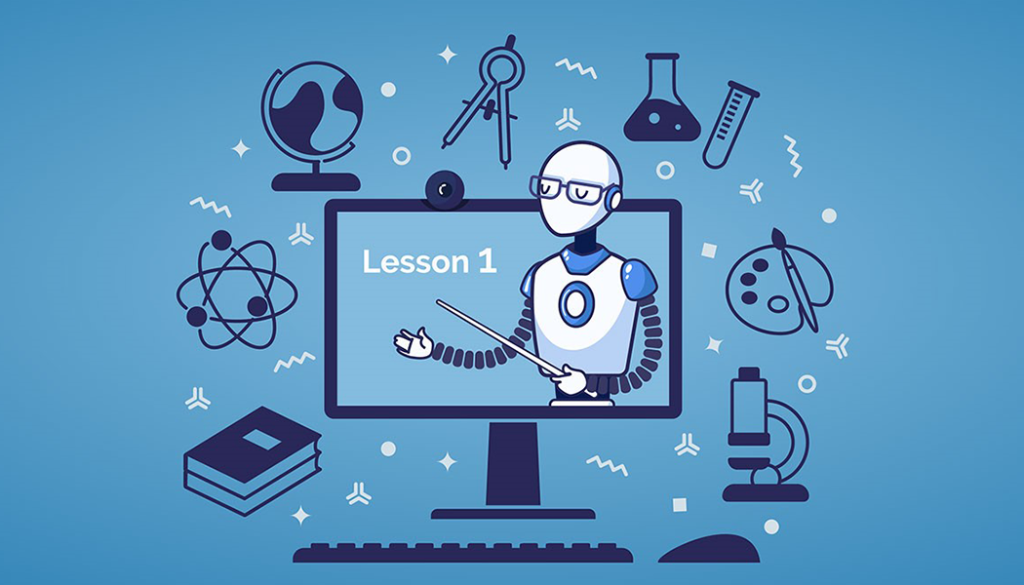
Panel Discussion: Exploring Artificial Intelligence in Alternative Education
Moderator: Welcome to today’s panel discussion on the topic of artificial intelligence (AI) and its potential impact on alternative schooling and education. We have gathered a group of experts who will share their thoughts, insights, and concerns about integrating AI into non-traditional educational settings. Let’s begin by introducing our esteemed panelists.
Panelist 1 – Dr. Sarah Thompson, Educational Psychologist
Panelist 2 – Mr. Mark Davis, Technologist and AI Expert
Panelist 3 – Ms. Rachel Patel, Founder of an Alternative School Network
Moderator: Thank you all for joining us today. To start off the discussion, let’s explore the benefits that AI can bring to alternative education.
Dr. Thompson: AI has enormous potential within alternative education as it offers personalized learning experiences tailored to individual needs and abilities. It can analyze data from students’ performance, identify areas where they require assistance or challenge them further based on their strengths.
Mark Davis: Absolutely! Adaptive learning platforms powered by AI can enhance student engagement by providing interactive content that adapts to each learner’s pace and style of learning. These tools also free up teachers’ time so they can focus more on facilitating discussions and critical thinking.
Rachel Patel: I completely agree with both Dr.Thompson and Mr.Davis. In some remote or underserved areas where access to quality education is limited, AI-powered platforms can bridge the gap by delivering high-quality lessons remotely.
Moderator: While there are clear advantages to adopting AI in alternative education, we must also consider the challenges it may present.
Dr.Thompson: One concern is that excessive reliance on technology might hinder social interaction among students if not carefully balanced with face-to-face interactions or collaborative projects.
Mark Davis: Another challenge lies in ensuring that algorithms powering these systems remain unbiased and equitable across diverse student populations. Without careful monitoring, there is a risk of perpetuating existing biases or discrimination.
Rachel Patel: Additionally, the rapid advancements in AI technology could lead to a growing divide between schools that can afford cutting-edge AI tools and those that cannot. We need to ensure equitable access for all students regardless of their socioeconomic background.
Moderator: Thank you for highlighting these important concerns. As we wrap up today’s discussion, let’s consider how educators and policymakers can navigate this technological shift responsibly.
Dr.Thompson: Professional development programs should be provided to teachers so they can effectively use AI tools in their classrooms. Collaboration between researchers, educators, and developers is crucial in ensuring the responsible implementation of AI in alternative education settings.
Mark Davis: Policy frameworks must be developed to address ethical considerations surrounding data privacy, algorithmic biases, and transparency within AI systems used in education. It is essential that students’ personal information remains secure while benefiting from these technologies.
Rachel Patel: I also believe that involving students themselves in decision-making processes regarding the integration of AI will empower them as active participants rather than passive recipients of technology-driven education.
Moderator: Thank you all for your valuable insights on this fascinating topic. It is clear that artificial intelligence has the potential to revolutionize alternative schooling and education. However, we must approach its implementation with caution while keeping equity, ethics, and student well-being at the forefront of our efforts.
 Alternative Amie
Leave a comment