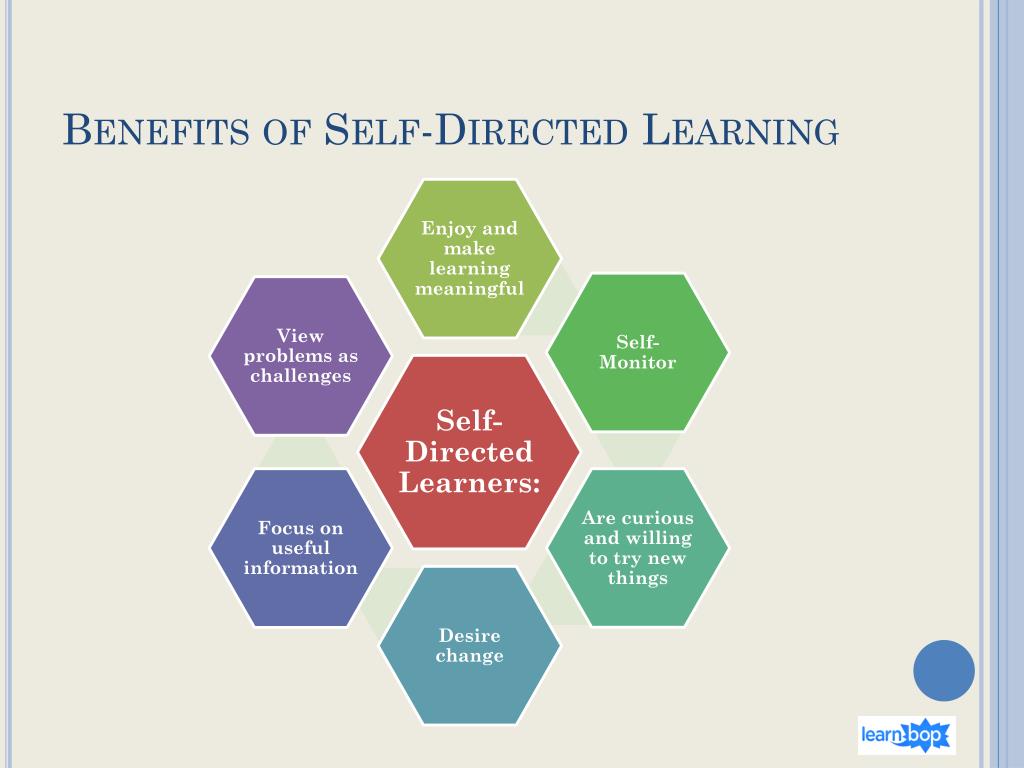
Project-based learning is an educational approach that emphasizes hands-on, real-world projects as the primary method of instruction. Students are given the opportunity to explore topics that interest them and work on projects that align with their individual goals and interests. This approach encourages students to take ownership of their learning and develop essential skills such as critical thinking, problem-solving, collaboration, and communication.
Montessori education is a child-centered approach that focuses on fostering independence, self-directed learning, and respect for each child’s unique development. In Montessori classrooms, children have the freedom to choose from a wide range of activities and materials designed to meet their developmental needs. The teacher acts as a guide or facilitator rather than a traditional instructor.
Unschooling is an alternative form of education where children are encouraged to learn through self-directed exploration and play rather than following a set curriculum or structured lessons. Unschoolers believe that children are naturally curious learners who will thrive when given the freedom to pursue their own interests at their own pace.
Self-paced learning allows students to progress through material at their own speed without being held back by others or feeling rushed. This approach recognizes that each student has different strengths, weaknesses, interests, and preferred learning styles. Self-paced learning can be facilitated through online courses or personalized learning plans tailored to each student’s needs.
Homeschooling methods vary widely but often involve parents taking responsibility for their child’s education outside of traditional school settings. Some homeschooling families adopt structured curricula while others embrace more flexible approaches like unschooling or project-based learning.
Experiential learning involves actively engaging with real-world experiences in order to gain knowledge and skills. This could include field trips, internships, community service projects, or other hands-on activities that allow learners to apply what they’ve learned in practical ways.
Independent study techniques empower learners to take charge of their own education by setting goals, managing time effectively, seeking out resources and mentors, and reflecting on their progress. Independent study is often associated with self-directed learning and can be a valuable skill for lifelong learning.
Self-assessment and reflection are important components of self-directed learning. By evaluating their own performance, learners can identify areas for improvement, set new goals, and make adjustments to their learning strategies as needed.
Personalized learning plans are individualized roadmaps that outline the specific goals, activities, resources, and assessments for each learner. These plans take into account the learner’s strengths, interests, preferred learning styles, and any additional support or accommodations they may need.
Online resources play a crucial role in supporting self-directed learners. There are countless websites, courses, forums, videos, and other digital platforms that provide educational content and opportunities for collaboration with like-minded individuals around the world.
Self-motivation strategies help learners stay focused and motivated throughout their educational journey. This could include setting clear goals, breaking tasks into manageable chunks, finding inspiration from role models or mentors in their field of interest.
Time management skills are essential for independent learners who need to balance various responsibilities along with their studies. Effective time management involves prioritizing tasks efficiently using tools like calendars or to-do lists.
Developing critical thinking skills is an integral part of self-directed education. By encouraging learners to question assumptions, analyze information critically from multiple perspectives research-based methods can be used effectively by students when investigating different subjects independently
Goal setting is important in alternative education settings as it allows students to have something concrete to work towards while also providing motivation
Peer collaboration provides support networks where like-minded individuals work together on projects or share ideas leading them towards success
Integrating technology into self-directed learning enables access to vast amounts of information online which aids research whilst also allowing students more flexibility over how they learn
Building a portfolio is beneficial because it demonstrates practical application of knowledge gained from self-study which will be useful if applying for further education or employment in the future
Balancing structure and freedom is important as too much structure can stifle creativity, while too much freedom can leave students feeling overwhelmed. Striking a balance provides a supportive environment for self-directed learners to thrive.
Learning through apprenticeships or mentorships offers hands-on experience and guidance from experts in a particular field which can be highly valuable for alternative education settings.
Creating a supportive home environment involves providing resources, encouragement, and opportunities for exploration that align with the interests of self-directed learners.
Nurturing creativity is essential in alternative education settings as it allows students to explore their passions and develop innovative solutions to problems.
Cultivating a growth mindset encourages self-directed learners to embrace challenges, persist through setbacks, and believe in their ability to learn and grow.
Integrating physical activity into independent study routines helps improve focus, reduce stress levels, and promote overall well-being. Taking breaks for movement or incorporating physical activities into learning tasks can enhance engagement and retention of information.
Exploring different learning styles in alternative schooling acknowledges that individuals have unique preferences when it comes to how they process information. By identifying their preferred learning style, students can optimize their study methods accordingly.
Encouraging lifelong learning habits ensures that self-directed learners continue to seek knowledge beyond formal schooling. This may involve setting aside time each day for personal reading or pursuing new interests outside of traditional subjects.
In conclusion, alternative forms of education provide diverse opportunities for self-directed learners to take control of their own educational journeys. Whether through project-based learning, Montessori education, unschooling, or other approaches mentioned above – these methods prioritize individualized instruction based on student interest while fostering critical thinking skills, collaboration with peers & mentors alike alongside building resilience & independence necessary for success both inside & outside academia. With the advent of online resources facilitating personalized plans tailored specifically around learner needs; technology’s integration has further enhanced accessibility making such alternatives more feasible than ever before.
 Alternative Amie
Leave a comment