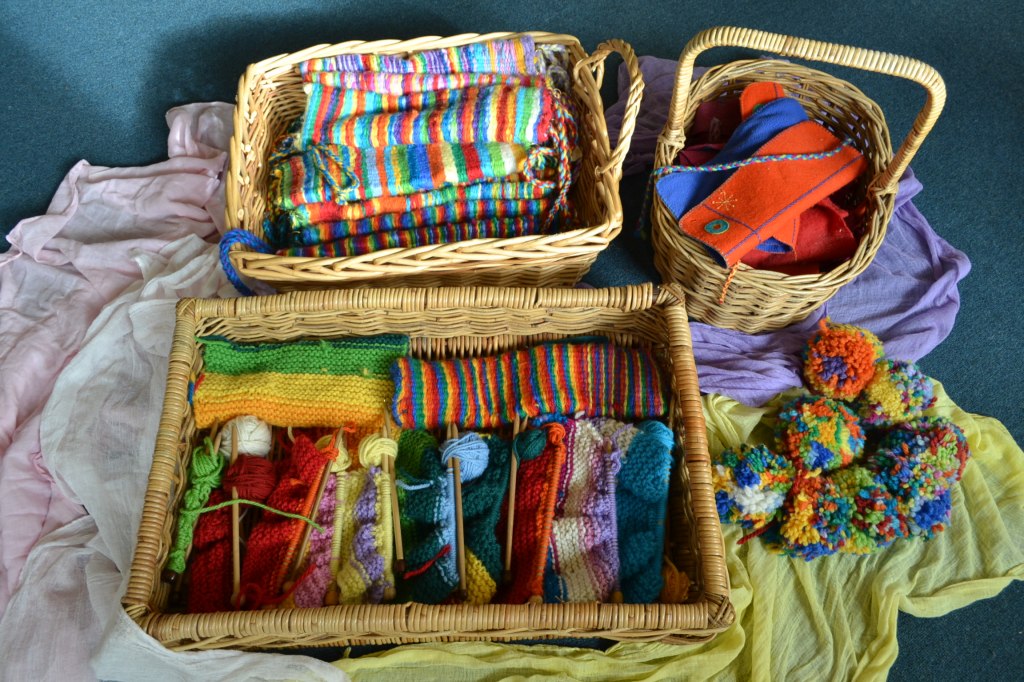
Handwork and crafts are not just simple activities to keep children occupied. They have immense educational value and can play a significant role in alternative schooling and education. Engaging in handwork and crafts not only enhances creativity, but also improves fine motor skills, problem-solving abilities, concentration, patience, and self-expression. In this article, we will explore the top 10 handwork and craft activities that promote holistic learning for children.
1. Sewing:
Sewing is an age-old skill that teaches children patience, focus, precision, and perseverance. From basic stitches to creating clothes or accessories from scratch, sewing helps develop fine motor skills while encouraging creativity. It also instills a sense of accomplishment as children witness their creations come to life.
2. Knitting:
Knitting is another handicraft that offers numerous benefits for children’s development. As they learn different stitches and patterns, they enhance their math skills by understanding patterns and counting stitches. This activity also promotes relaxation as knitting requires repetitive motions that can be soothing for young minds.
3. Embroidery:
Embroidery involves using thread or yarn to create designs on fabric or other materials. It encourages creativity through the selection of colors and designs while enhancing fine motor skills through precise needlework. Children can embroider their names on handkerchiefs or personalize their belongings with beautiful designs.
4. Woodworking:
Woodworking introduces children to tools like hammers, saws, chisels which enable them to create functional objects from wood such as birdhouses or small furniture pieces under supervision. This hands-on experience strengthens problem-solving abilities while improving hand-eye coordination.
5. Pottery:
Pottery provides a tactile experience where children mold clay into various shapes using their hands or pottery wheels before firing them in kilns to solidify the forms permanently. It fosters sensory exploration while nurturing artistic expression and spatial awareness.
6.Candle Making:
Candle making allows kids to experiment with different colors, scents, and shapes. They learn to measure ingredients, mix them, and pour the wax into molds. This craft enhances their knowledge of chemical reactions while also developing patience as they wait for the candles to solidify.
7. Paper Crafts:
Paper crafts encompass a wide range of activities such as origami, paper cutting, quilling, and paper mache. These crafts improve hand-eye coordination, concentration, and creativity. Origami specifically introduces geometric concepts through folding techniques.
8. Jewelry Making:
Jewelry making enables children to create unique accessories using various materials like beads, threads or wire. It encourages fine motor skills while fostering creativity in design choices. Children can make bracelets, necklaces or earrings that reflect their personal style.
9. Weaving:
Weaving involves creating fabric by interlacing yarns or threads on a loom or other weaving equipment. This craft teaches children patience as they meticulously weave intricate patterns together while enhancing spatial awareness and problem-solving skills.
10.Cross Stitching:
Cross stitching is a form of embroidery that uses small X-shaped stitches to create intricate designs on fabric with the help of counted patterns or charts. This activity improves focus and attention to detail while promoting creativity through color choices.
Incorporating handwork and crafts into alternative schooling can be done through dedicated classes that provide guidance from skilled instructors or by integrating these activities into regular curriculum subjects like math (measuring ingredients), science (chemical reactions in candle making), art (designing jewelry), history (learning about different forms of traditional crafts).
By engaging in these top 10 handwork and craft activities, children not only acquire practical skills but also develop important life skills such as patience, problem-solving abilities resilience self-expression which are vital for holistic learning in alternative education settings
 Alternative Amie
Leave a comment