Cognitive Load Theory: Enhancing Learning in Alternative Schooling
In the realm of education, there are various theories and strategies that aim to optimize learning experiences. One such theory gaining prominence is Cognitive Load Theory (CLT). CLT explores how the human mind processes information and suggests techniques to reduce cognitive load, thereby enhancing learning outcomes. In alternative schooling and education settings, where unconventional methods are employed to nurture young minds, understanding and implementing CLT can prove invaluable.
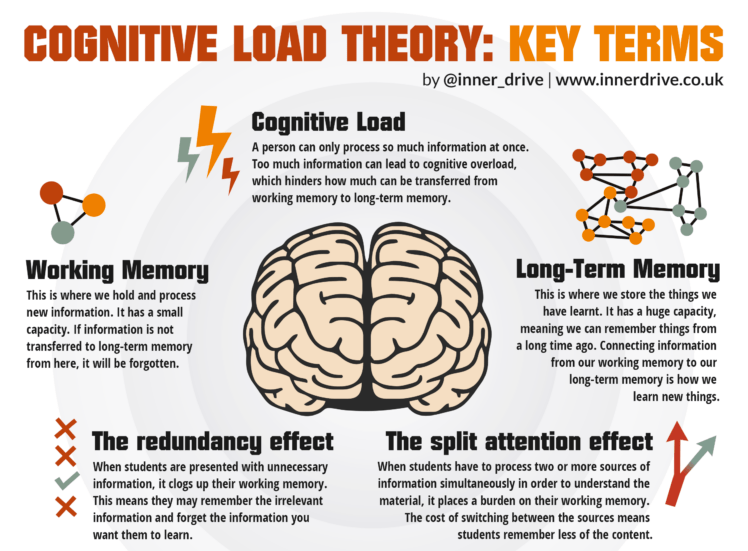
At its core, Cognitive Load Theory recognizes that learners have limited working memory capacity. When this capacity is overloaded with excessive or irrelevant information, it hinders comprehension and retention. By managing cognitive load effectively, educators can help students process new knowledge more efficiently.
One principle of CLT is known as intrinsic load. This refers to the inherent complexity of a task or topic being learned. In alternative schooling environments, where interdisciplinary approaches are often employed, it becomes essential for teachers to carefully scaffold instruction by breaking down complex concepts into smaller parts. This approach allows students to gradually build their understanding while minimizing cognitive overload.
Another aspect of CLT is extraneous load. It encompasses any additional elements unrelated to the learning objective that could divert attention away from key information. In alternative schooling settings with a focus on experiential learning or project-based activities, educators must be mindful of designing tasks that eliminate unnecessary distractions and prioritize relevant content.
The third component of CLT is germane load – the mental effort required for learners to construct meaningful connections between new information and existing knowledge structures. To foster deeper understanding in alternative schooling contexts, instructors can encourage reflection exercises such as journaling or group discussions where students actively integrate new concepts into their prior knowledge frameworks.
Technology also plays an important role in optimizing cognitive load within alternative schooling environments. Multimedia resources like videos or interactive simulations offer opportunities for visual and auditory engagement while providing options for self-pacing according to individual student needs.
Additionally, incorporating retrieval practice aligns with CLT principles. This technique involves regular recall of previously learned information, strengthening long-term memory and reducing cognitive effort during future learning tasks. In alternative schooling settings, where hands-on activities are prevalent, educators can integrate periodic review sessions or low-stakes quizzes to promote active recall.
Finally, the role of metacognition cannot be overlooked in relation to CLT. By teaching students about their own cognitive processes and providing tools for self-reflection and self-regulation, alternative schools help learners become more aware of their mental load and develop strategies to manage it effectively. Techniques such as goal setting, planning, and self-assessment empower students to take ownership of their learning journey.
Cognitive Load Theory offers a comprehensive framework for enhancing learning experiences in alternative schooling and education contexts. By understanding the limitations of working memory capacity and employing strategies that reduce cognitive overload, instructors can create an optimal environment for knowledge acquisition and retention. Through careful instructional design, technology integration, retrieval practice, and fostering metacognitive skills among students, alternative schools can leverage the power of CLT to unlock the full potential of young minds on their educational path.
 Alternative Amie
Leave a comment