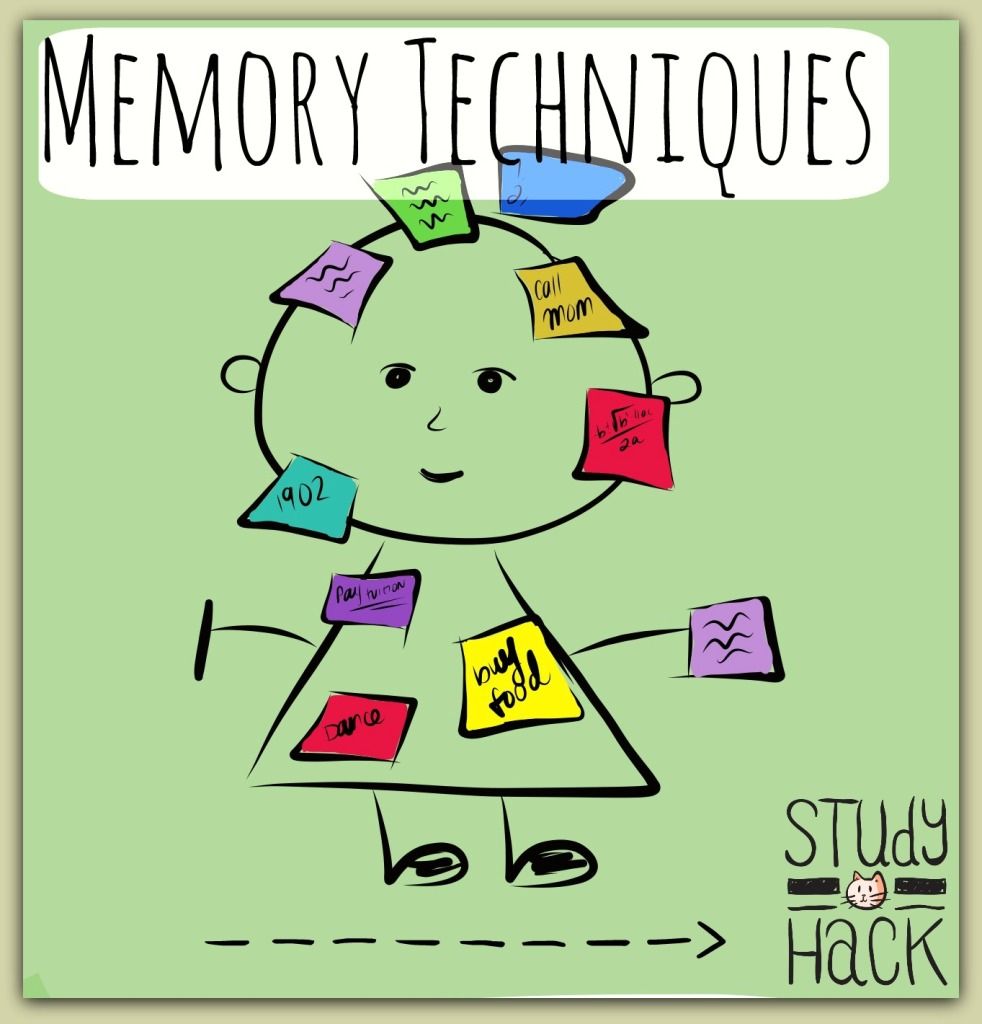
Memory Techniques for Accelerated Learning
In the fast-paced world of education, students are often expected to absorb and retain large amounts of information in a short period of time. This can be overwhelming and lead to feelings of stress and anxiety. However, there are various memory techniques that can help accelerate learning and make the process more efficient.
One popular memory technique is the use of mnemonic devices. Mnemonics are memory aids that help individuals remember information by associating it with something familiar or easier to recall. For example, creating an acronym like “HOMES” to remember the names of the Great Lakes (Huron, Ontario, Michigan, Erie, Superior) can be a helpful tool for memorization.
Another powerful memory technique is the method of loci or memory palace technique. This technique involves mentally placing items or concepts in different rooms or locations within an imaginary building or familiar environment. By visualizing these items in specific locations and mentally walking through them, individuals can easily retrieve information when needed.
Mind Mapping and Visual Learning Strategies
Visual learning strategies can greatly enhance understanding and retention of information. One effective method is mind mapping – a graphical way to represent ideas and concepts using key words, colors, symbols, and images connected by branches or lines.
By organizing thoughts visually through mind maps, individuals gain a clearer understanding of relationships between ideas as well as the overall structure of a topic. This helps improve comprehension while also stimulating creativity and critical thinking skills.
Speed Reading and Comprehension Skills
In today’s digital age where vast amounts of information are readily available at our fingertips, speed reading has become an essential skill for accelerated learning. Speed reading involves techniques such as skimming text for main ideas, eliminating subvocalization (pronouncing words silently), reducing fixations on individual words or phrases, and using peripheral vision to capture more content at once.
However, speed reading should not come at the expense of comprehension. To ensure understanding, individuals can employ techniques like active reading, which involves engaging with the text through highlighting key points, summarizing main ideas, and asking questions. Additionally, practicing metacognitive strategies such as self-monitoring and self-questioning can help improve comprehension while speed reading.
Effective Note-Taking Methods
Note-taking is a fundamental aspect of learning that can greatly enhance retention and understanding of information. However, ineffective note-taking techniques can hinder the learning process.
One effective method is the Cornell Note-Taking System. This system involves dividing notes into three sections: a narrow left-hand column for cues or keywords, a wider right-hand column for recording main ideas and details, and a bottom section for summarizing the content after the lecture or reading. This structure facilitates review and recall by providing clear organization.
Another popular technique is visual note-taking or sketchnoting. This method combines words with visuals to create more memorable and engaging notes. By using symbols, diagrams, arrows, and different fonts or colors to represent concepts visually, individuals can better connect ideas in their minds.
Gamification in Education for Accelerated Learning
Integrating elements of gaming into education has shown tremendous potential for accelerating learning outcomes. Gamification involves incorporating game-like features such as rewards, challenges, competition, levels of achievement, and interactive experiences into educational activities.
By making learning fun and engaging through gamified approaches like quizzes with leaderboards or simulations that allow students to apply knowledge in realistic scenarios, motivation increases along with active participation. Gamification also fosters collaboration among students through team-based challenges or multiplayer games that encourage communication and problem-solving skills development.
Neuroplasticity and Brain Training Exercises
The concept of neuroplasticity suggests that our brains have the ability to change throughout our lives by forming new neural connections based on experience. This has significant implications for accelerated learning as it implies that we can actively train our brains to become more efficient learners.
Brain training exercises, such as puzzles, memory games, and cognitive training apps, stimulate neural pathways and promote cognitive flexibility. These exercises challenge the brain to think critically, problem-solve, and retain information more effectively.
Multisensory Learning Approaches
Engaging multiple senses in the learning process can enhance memory encoding and retrieval. Multisensory learning approaches involve incorporating auditory, visual, kinesthetic (movement), and tactile (touch) stimuli into educational activities.
For example, using manipulatives like blocks or models to represent concepts in math or science allows students to physically interact with the material. This hands-on approach enhances understanding by providing a tangible representation of abstract ideas.
Additionally, incorporating music or recorded lectures into study sessions appeals to the auditory sense while creating associations between information and specific tunes or rhythms. This can aid in memory recall during exams or when reviewing material.
Mnemonics and Memory Palaces for Retention
Mnemonics are powerful tools for retaining information by associating it with something easier to remember. They can take various forms such as acronyms, rhymes, visualization techniques, or even stories that create vivid mental images.
One popular mnemonic device is the method of loci mentioned earlier. By mentally placing items within an imaginary location like a house or familiar route while associating them with specific cues along the way, individuals can recall information more easily by retracing their steps through these locations in their minds.
Self-Directed Learning and Personalized Education Plans
Self-directed learning empowers individuals to take ownership of their education by setting goals based on personal interests and passions. It involves identifying areas of strength and weakness while designing personalized education plans tailored to individual needs.
By allowing students to choose topics they are passionate about and explore them at their own pace through research projects or independent studies guided by mentors or teachers as facilitators rather than instructors alone – self-directed learning fosters intrinsic motivation which leads to better engagement, deeper understanding, and long-term retention of knowledge.
Accelerated Language Acquisition Techniques
Learning a new language can be a challenging endeavor, but there are techniques that can accelerate the process. Immersion programs or language exchanges allow individuals to practice speaking in real-life situations with native speakers. This not only improves conversational skills but also enhances cultural understanding.
Another effective technique is using spaced repetition systems (SRS) which involve reviewing vocabulary or grammar concepts at specific intervals over time. SRS algorithms optimize learning by presenting information just before it is about to be forgotten, reinforcing neural connections and improving long-term memory retention.
Critical Thinking and Problem-Solving Skills Development
In an ever-changing world, critical thinking and problem-solving skills are crucial for success. These skills enable individuals to analyze information objectively, evaluate evidence, consider multiple perspectives, and make informed decisions.
Teaching critical thinking involves fostering open-mindedness, encouraging questioning assumptions or biases while promoting logical reasoning and evidence-based arguments. Problem-solving skills can be developed through activities that require identifying problems or challenges, brainstorming solutions, evaluating options critically, implementing strategies effectively, and reflecting on outcomes for future improvement.
Mindfulness Practices for Improved Focus and Concentration
In today’s fast-paced world filled with distractions such as smartphones and social media notifications – maintaining focus and concentration has become increasingly difficult. Mindfulness practices offer techniques to enhance attentional control by training the mind to stay present in the moment.
Practices like meditation or deep breathing exercises promote relaxation while reducing stress levels – allowing students to better concentrate on their studies. Additionally, incorporating short mindfulness breaks throughout the day can help reset attention spans during long study sessions.
Effective Time Management Strategies for Accelerated Learning
Time management plays a vital role in accelerating learning outcomes by optimizing productivity and minimizing wasted time. Effective strategies include setting goals with clear deadlines based on priorities while breaking tasks into smaller manageable chunks.
Using productivity tools like Pomodoro Technique (working in focused bursts with short breaks), creating to-do lists or schedules, and avoiding multitasking can help individuals stay organized and maintain a productive mindset. Additionally, recognizing peak productivity times and allocating important tasks during these periods can maximize efficiency.
Learning Styles and Individualized Instruction Methods
Every individual has unique learning preferences or styles. Some may prefer visual learning through diagrams or videos, while others may lean towards auditory methods like listening to lectures or podcasts. Recognizing and accommodating different learning styles is essential for accelerated learning.
Instructors can employ various instructional methods such as incorporating visuals, providing audio recordings of lessons, utilizing hands-on activities, or encouraging group discussions – allowing students to engage with the material in ways that align with their preferred learning style. This personalized approach enhances comprehension and retention while catering to diverse needs.
Metacognition and Reflective Learning Practices
Metacognition refers to thinking about one’s own thinking processes – understanding how we learn best, what strategies work for us individually, and how we can improve our learning outcomes. Reflective practices encourage metacognitive thinking by promoting self-awareness and critical evaluation of one’s progress.
By regularly reflecting on their strengths, weaknesses, study habits, problem-solving approaches, or time management skills – students become more aware of their own learning process. They can identify areas for improvement while adjusting strategies accordingly to enhance overall performance.
Brain Breaks and Physical Activity to Enhance Learning Outcomes
Research suggests that physical activity improves cognitive function by increasing blood flow to the brain which enhances focus, memory retention as well as creativity. Incorporating regular brain breaks involving movement into study sessions not only provides a refreshing change but also stimulates neural connections.
Simple activities like stretching exercises or brief walks between study blocks can improve alertness while reducing stress levels associated with prolonged sitting or mental exertion. These short breaks allow individuals to recharge mentally before diving back into their studies more effectively.
Technology Tools for Accelerated Learning in Alternative Schooling
Technology has revolutionized education by providing access to vast resources, interactive learning platforms, and collaborative tools. In alternative schooling settings, technology can be utilized to accelerate learning outcomes by engaging students through immersive experiences.
Virtual reality (VR) or augmented reality (AR) applications allow students to explore complex concepts in a more visual and interactive manner. Online platforms also offer adaptive learning programs that personalize instruction based on individual strengths and weaknesses while providing immediate feedback for continuous improvement.
Project-Based Learning for Deeper Engagement
Project-based learning (PBL) is an effective approach where students actively investigate real-world problems or challenges within a collaborative setting. This method promotes deeper engagement as students take ownership of their learning by applying knowledge and skills in authentic contexts.
By working on projects that require research, problem-solving, critical thinking, creativity, communication, and collaboration – students develop a deeper understanding of the subject matter while building essential life skills necessary for success beyond the classroom.
Emotional Intelligence Development in Education
Emotional intelligence refers to the ability to understand and manage one’s own emotions as well as recognize and empathize with others’ emotions. It plays a crucial role in personal growth, interpersonal relationships, decision-making processes, and overall well-being.
Incorporating emotional intelligence development into education fosters self-awareness and social-emotional skills among students. By promoting activities such as mindfulness exercises, conflict resolution workshops, empathy-building exercises or journaling practices – individuals learn how to regulate emotions effectively while developing stronger interpersonal connections.
Creative Thinking Exercises to Stimulate Innovation
Creativity is a valuable skillset that drives innovation and problem-solving abilities. Encouraging creative thinking through exercises stimulates imagination while fostering outside-the-box approaches to various challenges.
Activities like brainstorming sessions where no idea is considered too wild or using prompts for divergent thinking can unleash creativity among learners. Incorporating art-based activities such as drawing or storytelling can also tap into different modes of expression which further enhances creativity and critical thinking skills.
Music for Alternative Schooling and Education
Music has long been recognized as a powerful tool for enhancing learning outcomes. It can improve mood, increase motivation, reduce stress levels, and stimulate memory recall.
In alternative schooling settings, incorporating music into the learning process can create a positive and engaging environment. Whether it’s classical music during study sessions or using educational songs to teach concepts in various subjects – music can captivate students’ attention while facilitating retention of information.
Conclusion
Accelerated learning techniques can greatly enhance the education experience by optimizing comprehension, retention, and overall performance. From memory techniques to personalized instruction methods, technology tools to emotional intelligence development – these strategies cater to diverse individual needs while fostering engagement and self-directed learning.
By implementing these approaches in alternative schooling settings alongside creative thinking exercises, brain breaks with physical activity, reflective practices with metacognitive thinking, and the incorporation of music – educators can create a rich and dynamic learning environment that accelerates knowledge acquisition while promoting holistic growth among students.
 Alternative Amie
Leave a comment