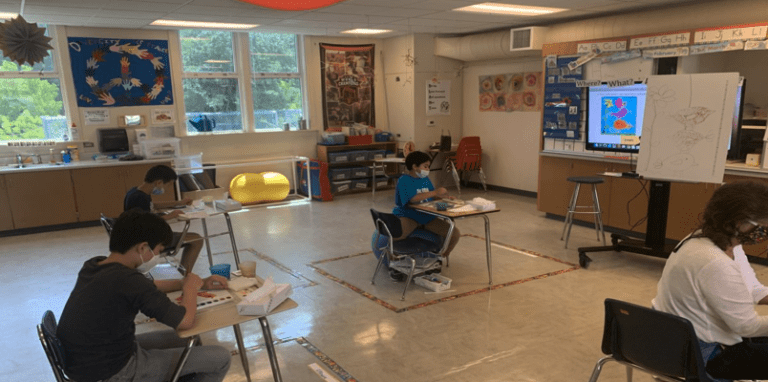
Lakefront Microschools: Revolutionizing Education
In recent years, there has been a growing interest in alternative forms of education that cater to individual student needs and foster creativity. One such innovative approach is the concept of Lakefront Microschools. These small-scale learning environments are making waves in the educational landscape, offering personalized and experiential learning experiences for students.
Unlike traditional schools, Lakefront Microschools prioritize flexibility and adaptability. With a focus on project-based learning and real-world applications, students are encouraged to explore their passions and develop critical thinking skills. The small class sizes foster meaningful connections between teachers and students, enabling educators to provide tailored instruction that caters to each learner’s unique strengths and weaknesses.
One key aspect of Lakefront Microschools is their location – situated near lakes or other natural landscapes. This intentional choice allows students to connect with nature while engaging in outdoor activities that enhance their learning experiences. Research has shown that spending time in nature can improve mental health, reduce stress levels, boost creativity, and increase engagement in academic tasks.
Moreover, Lakefront Microschools often adopt interdisciplinary approaches by integrating subjects like science, art, math, history, and literature into thematic units or projects. This not only deepens understanding but also encourages critical thinking across disciplines – an essential skill for success in the 21st century.
Another advantage of Lakefront Microschools is the emphasis placed on community involvement. By forging partnerships with local businesses and organizations within the lakefront area, these schools create opportunities for hands-on learning through internships or collaborations with experts from various fields. Students gain practical knowledge while building valuable networks within their communities.
Furthermore, Lakefront Microschools often leverage technology as a tool for enhanced learning rather than relying solely on it for instruction delivery. By utilizing digital resources strategically alongside face-to-face interactions with peers and teachers, these schools strike a balance between screen time utilization and social-emotional development.
While traditional schooling models have proven effective for many students, it is essential to recognize that a one-size-fits-all approach may not suit every learner. Lakefront Microschools offer an alternative educational experience that prioritizes individual needs, fosters creativity, and encourages meaningful engagement with nature. By embracing this innovative model, we can create more inclusive and diverse learning environments that empower our children to thrive in the modern world.
 Alternative Amie
Leave a comment