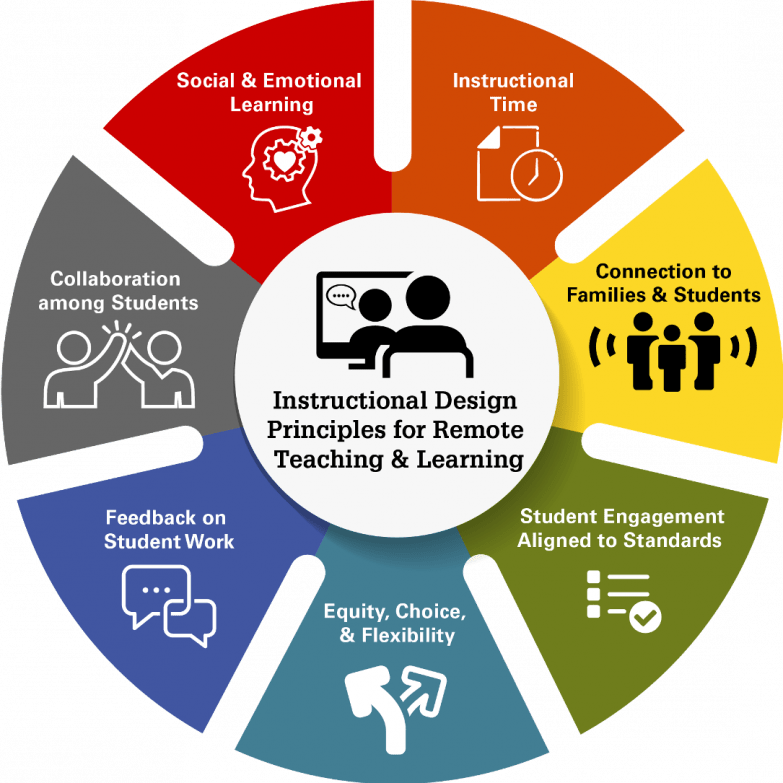
Professional development is crucial for all teachers, including those who work in virtual classrooms. As technology continues to advance and online education becomes more prevalent, it’s important for virtual teachers to stay up-to-date with the latest tools, strategies, and best practices. In this article, we will explore some key areas of professional development that can benefit virtual teachers.
1. Online Teaching Pedagogy: Virtual teachers should continuously seek opportunities to enhance their understanding of online teaching pedagogy. This includes learning about different instructional approaches and techniques specifically designed for online environments. Professional development workshops or webinars on topics such as creating engaging multimedia content, facilitating meaningful discussions, and providing effective feedback can greatly improve a teacher’s ability to deliver quality instruction.
2. Technology Integration: Since technology plays a central role in virtual classrooms, it is essential for virtual teachers to have a solid understanding of various digital tools and platforms commonly used in online education. Participating in training sessions or courses focused on technology integration can help educators become proficient in using learning management systems (LMS), video conferencing software, interactive whiteboards, and other educational technologies.
3. Data Analysis: Just like traditional classroom settings, data analysis plays an important role in tracking student progress and identifying areas where additional support may be needed. Virtual teachers should develop skills in analyzing data from assessments conducted online and utilizing the information to inform their instruction. Professional development opportunities related to data-driven decision making can provide valuable insights into interpreting assessment results effectively.
4. Differentiation Strategies: Meeting the diverse needs of students is essential for any teacher but becomes even more critical when working in a virtual environment where individualized attention may be limited due to reduced face-to-face interaction. Virtual teachers should seek professional development that focuses on differentiation strategies specific to online learning contexts—such as adapting assignments based on student interests or providing alternative ways for students to demonstrate mastery—to ensure every learner receives appropriate support.
5. Collaboration Skills: Although teaching in a virtual setting may seem isolating at times, it is still important for virtual teachers to collaborate with colleagues and build professional networks. Professional development opportunities that promote collaboration among virtual teachers can be beneficial for sharing ideas, resources, and best practices. Virtual conferences or online communities dedicated to virtual teaching can provide opportunities for meaningful interactions and collaboration.
6. Cultural Competence: In an increasingly globalized world, virtual classrooms often comprise students from diverse cultural backgrounds. To effectively meet the needs of all learners, virtual teachers should engage in professional development that enhances their cultural competence. This may include workshops or courses on understanding cultural differences, promoting inclusivity in online environments, and developing strategies to foster a supportive classroom community.
7. Digital Citizenship: With increased reliance on technology comes the need for students to develop responsible digital citizenship skills. As role models, virtual teachers should educate themselves about digital citizenship concepts and integrate them into their instruction. Professional development sessions focused on teaching students about internet safety, cyberbullying prevention, ethics of online behavior, and copyright laws are essential for ensuring students become responsible digital citizens.
8. Special Education Strategies: Virtual teachers must also be prepared to support students with special education needs who may require accommodations or modifications in the online learning environment. Pursuing professional development related to special education strategies specific to online settings—such as assistive technology tools or individualized education program (IEP) implementation—can equip virtual teachers with the knowledge and skills necessary to address diverse learning needs effectively.
9. Parent Communication: Building strong partnerships between parents/guardians and educators is crucial in any educational setting but can be more challenging in a virtual environment where face-to-face meetings are limited. Virtual teachers can benefit from professional development sessions focused on effective parent communication techniques through email updates, video conferencing calls, discussion boards specifically designed for parents’ involvement, or other means of establishing regular contact.
10. Self-Care Practices: The demands of teaching can be overwhelming, and virtual teachers are no exception. Engaging in professional development that emphasizes self-care practices is essential for maintaining a healthy work-life balance. Topics such as stress management, time management, mindfulness techniques, and strategies for preventing burnout can greatly benefit virtual teachers’ overall well-being.
11. Research-Based Instructional Strategies: Staying informed about the latest research on effective instructional strategies is crucial for all educators. Virtual teachers should actively engage in professional development opportunities that focus on evidence-based approaches to teaching and learning in online settings. This could include sessions on inquiry-based learning, project-based learning, or flipped classroom models adapted specifically for virtual classrooms.
12. Assessment and Feedback: Developing expertise in designing assessments suitable for online environments and providing timely feedback is essential for virtual teachers. Professional development opportunities related to assessment design—such as creating authentic performance tasks or developing rubrics—can help virtual teachers provide meaningful feedback to students while ensuring fair evaluation.
By actively engaging in professional development opportunities focused on these key areas, virtual teachers can enhance their instructional skills, stay current with emerging technologies and pedagogical trends, effectively support diverse learners’ needs, foster strong parent partnerships, and promote a positive online learning environment overall. Ultimately, this investment in ongoing professional growth will contribute to improved student outcomes in the virtual classroom setting.
 Alternative Amie
Leave a comment