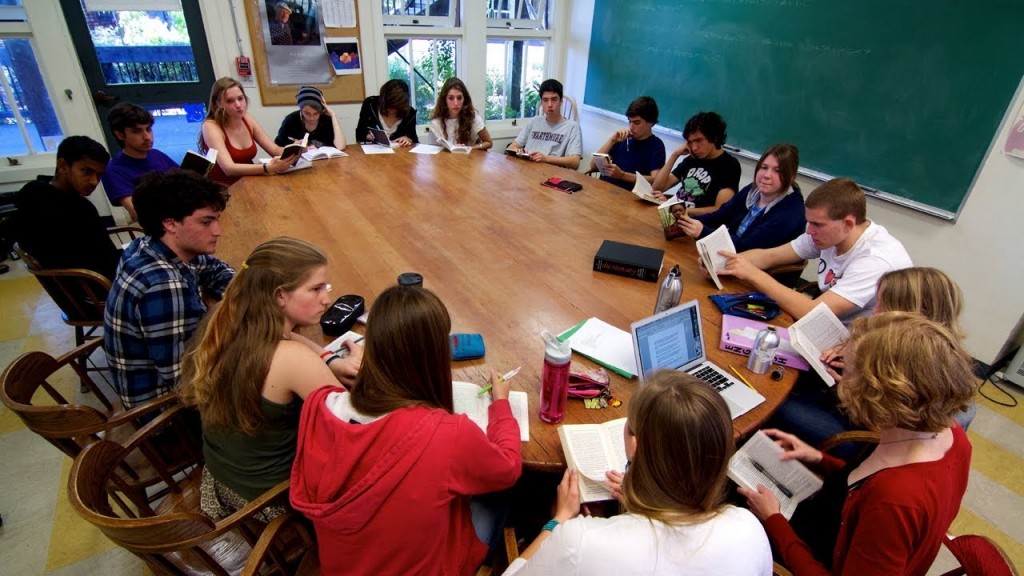
Collaborative Learning Communities: Fostering Growth and Connection in Alternative Education
In the world of alternative schooling and education, collaborative learning communities have emerged as a powerful tool for fostering growth, connection, and innovation. These communities bring together students, teachers, parents, and other stakeholders to create an environment that encourages collaboration and shared learning experiences.
At their core, collaborative learning communities are built on the principles of active engagement, open communication, and mutual support. Unlike traditional educational settings where knowledge is often delivered in a top-down manner by a teacher or authority figure, these communities emphasize the importance of peer-to-peer interaction and collective problem-solving.
One of the key benefits of collaborative learning communities is that they provide opportunities for students to take ownership of their education. By actively participating in discussions, projects, and group activities with their peers, students develop critical thinking skills while also gaining insights from diverse perspectives. This approach nurtures independent thinking and helps students become lifelong learners who are capable of adapting to new challenges.
Furthermore, collaborative learning communities foster a sense of belonging among participants. Students no longer feel isolated or disconnected but instead become part of a supportive network where they can freely express their thoughts without fear of judgment. This sense of community not only enhances motivation but also builds social-emotional skills such as empathy and cooperation.
Teachers also play an essential role within these communities as facilitators rather than dictators. They guide discussions and provide resources while encouraging students to explore different avenues for acquiring knowledge. Teachers act as mentors who empower students to take charge of their own learning journey while offering guidance whenever necessary.
Parents too have embraced this collaborative approach as it allows them to be actively involved in their child’s education. They can contribute by sharing their expertise or participating in parent-led workshops within the community. This involvement strengthens the bond between home and school environments while reinforcing the idea that education is a joint effort between all stakeholders.
In conclusion, collaborative learning communities have become an integral part of alternative schooling and education. They provide a platform for students, teachers, and parents to collaborate, learn from each other, and create meaningful connections. By encouraging active engagement and fostering a sense of community, these communities empower learners to thrive both academically and socially. As we embrace the potential of collaborative learning communities, we pave the way for a more inclusive and effective educational system that prepares students for success in the 21st century.
 Alternative Amie
Leave a comment