Coastal Erosion and Protection: Understanding the Challenges and Finding Solutions
Introduction
Coastal erosion is a natural process that has been occurring for millions of years. However, in recent decades, it has become an increasingly significant issue due to human activities and climate change. This phenomenon poses serious threats not only to ecosystems but also to coastal communities worldwide. In this article, we will explore the causes and consequences of coastal erosion, as well as various techniques used for protection.
Understanding Coastal Erosion
1. Causes of Coastal Erosion
Coastal erosion can be caused by both natural processes and human activities. Natural causes include:
a) Wave Action: Waves constantly crash against the shoreline, eroding sediment and wearing away land.
b) Tidal Effects: The rise and fall of tides contribute to erosion by altering sediment distribution along coastlines.
c) Storm Activity: Storms bring powerful waves that further accelerate erosion during intense events such as hurricanes or cyclones.
Human-induced factors that exacerbate coastal erosion are:
a) Climate Change: Rising sea levels due to global warming increase wave energy at the coastlines, leading to more severe erosive impacts.
b) Pollution: Pollution from industrial activities or improper waste disposal can weaken coastal ecosystems’ resilience against erosion.
c) Infrastructure Development: Construction projects like ports or jetties disrupt natural sediment flow patterns, causing localized areas of increased erosion.
2. Consequences of Coastal Erosion
The consequences of coastal erosion are far-reaching:
a) Loss of Land: As shorelines recede due to erosive forces, valuable land is lost. This includes agricultural land, residential areas, infrastructure development zones, and cultural heritage sites.
b) Habitat Destruction: Coastal ecosystems such as wetlands or dunes act as buffers against storm surges while providing essential habitats for diverse plant and animal species. Their destruction threatens local biodiversity as well as fisheries resources.
c) Economic Impact: Coastal erosion can have a significant economic toll on affected communities. Loss of tourism revenue, property damage, and the need for costly infrastructure repairs are just a few examples.
d) Displacement of Communities: As land is lost to coastal erosion, communities may be forced to relocate, leading to social disruptions and economic hardships.
Protecting Against Coastal Erosion
1. Soft Engineering Approaches
Soft engineering involves using natural or nature-based solutions to mitigate coastal erosion. Some commonly employed techniques include:
a) Beach Nourishment: This method involves replenishing eroding beaches with sediment obtained from offshore or inland sources. It helps maintain recreational areas while absorbing wave energy.
b) Dune Restoration: By planting vegetation and creating sand dunes, coastal communities can enhance natural barriers against erosion while preserving habitats.
c) Mangrove Plantations: Mangroves are highly effective at reducing wave energy and trapping sediments. Planting mangroves along vulnerable coastlines provides protection against erosion while promoting biodiversity.
2. Hard Engineering Approaches
Hard engineering methods involve constructing physical structures to protect coastlines from erosive forces. These techniques include:
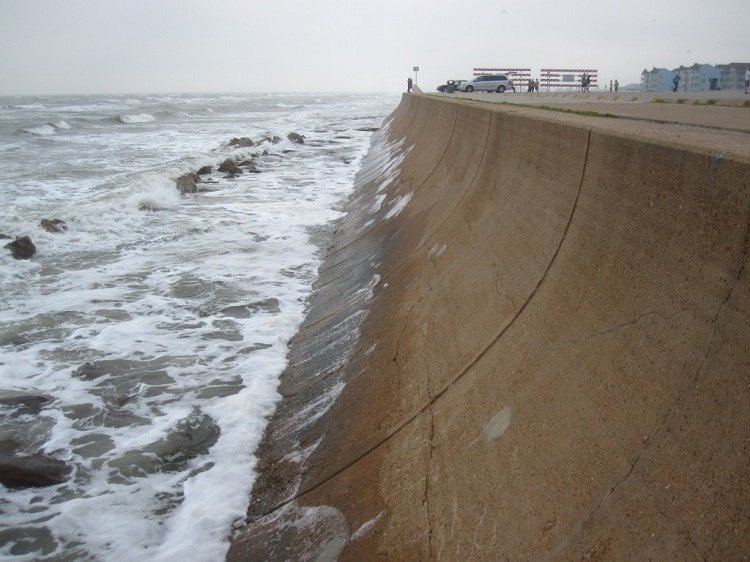
a) Seawalls/Revetments: Vertical walls built parallel to the shoreline absorb wave energy, preventing it from reaching the land but often result in increased erosion elsewhere due to reflected waves.
b) Breakwaters/Groynes: These structures are placed perpendicular to the coastline and help dissipate wave energy by creating calmer water zones behind them, reducing erosive impacts on nearby shores.
c) Offshore Barriers: Artificial reefs or submerged breakwaters constructed offshore act as buffers against waves before they reach the shore, minimizing erosive effects on land.
3. Integrated Shoreline Management
A holistic approach that combines both soft and hard engineering techniques along with sustainable management practices is essential for long-term coastal protection:
a) Zoning Regulations: Implementing zoning regulations that restrict development in vulnerable areas can help prevent further exacerbation of coastal erosion.
b) Beach Monitoring and Maintenance: Regular monitoring of beach conditions, including sediment levels, allows for timely intervention and maintenance to ensure their stability.
c) Ecosystem Restoration: Rehabilitating or creating new coastal ecosystems such as salt marshes or oyster reefs can enhance natural resilience against erosion while providing additional benefits like water filtration.
Conclusion
Coastal erosion is a complex issue that requires careful consideration and proactive measures. By understanding the causes and consequences of erosion, we can work towards finding effective solutions that balance human needs with ecosystem preservation. Implementing a combination of soft engineering approaches, hard engineering methods, and integrated shoreline management strategies will be crucial in protecting our coasts from the ongoing threat of erosion. Through collective efforts, we can safeguard both our natural heritage and the livelihoods of coastal communities around the world.
 Alternative Amie
Leave a comment