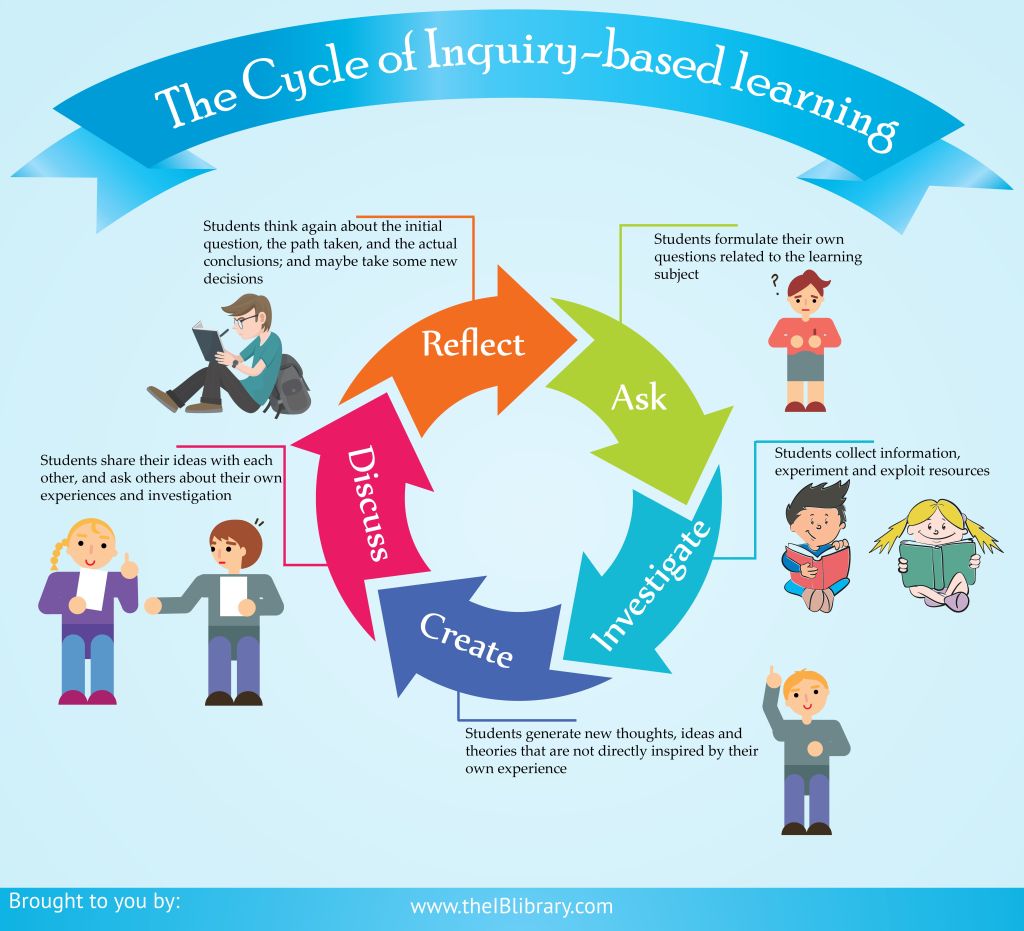
Inquiry-based learning is a powerful educational approach that promotes critical thinking, problem-solving skills, and collaboration among students. When implemented in groups, it becomes even more effective as it encourages peer interaction and shared learning experiences. In this article, we will explore the top 10 benefits of inquiry-based learning in groups.
1. Enhanced Critical Thinking Skills: By working together in groups, students are exposed to diverse perspectives and ideas. This fosters critical thinking as they analyze different viewpoints and evaluate evidence collectively.
2. Improved Communication Skills: Group inquiry projects require students to communicate their thoughts effectively with others. Through discussions, debates, and presentations, they develop strong verbal communication skills.
3. Collaboration and Teamwork: In group inquiry projects, students learn how to collaborate effectively by assigning tasks, sharing responsibilities, and supporting one another’s efforts. This cultivates crucial teamwork skills necessary for success in various professional settings.
4. Deeper Understanding: Inquiry-based learning encourages active engagement with concepts instead of passive memorization. Working together in groups allows students to share their understanding of complex topics and construct deeper knowledge collectively.
5. Increased Confidence: Collaborating within a group setting provides opportunities for each student to contribute ideas and insights while receiving feedback from peers. This boosts their self-confidence and facilitates personal growth.
6. Real-world Problem Solving: Group inquiry projects often involve solving real-world problems or addressing inquiries related to everyday life situations. This equips students with practical problem-solving skills that can be applied beyond the classroom walls.
7. Development of Research Skills: Students engage in research activities when undertaking group inquiries – gathering information from various sources such as books or online databases – which strengthens their research abilities for future academic pursuits.
8.Increased Motivation: The collaborative nature of group inquiry motivates students as they work towards common goals together rather than individually striving for grades or recognition alone.
9.Cultural Appreciation: Working collaboratively exposes individuals to diverse perspectives, cultures, and backgrounds. This promotes cultural appreciation and understanding among students.
10. Lifelong Learning: The skills developed through group inquiry projects – critical thinking, collaboration, communication – are applicable throughout life. Students become lifelong learners who can adapt to new challenges and continue acquiring knowledge beyond their formal education.
Inquiry-based learning in groups offers numerous advantages that go beyond traditional teaching methods. It fosters curiosity, deepens understanding, develops essential skills, and creates a positive learning environment where students actively engage with the subject matter while collaborating with their peers. By embracing this approach, educators can create an enriching educational experience for their students that will prepare them for future success in a rapidly changing world.
 Alternative Amie
Leave a comment