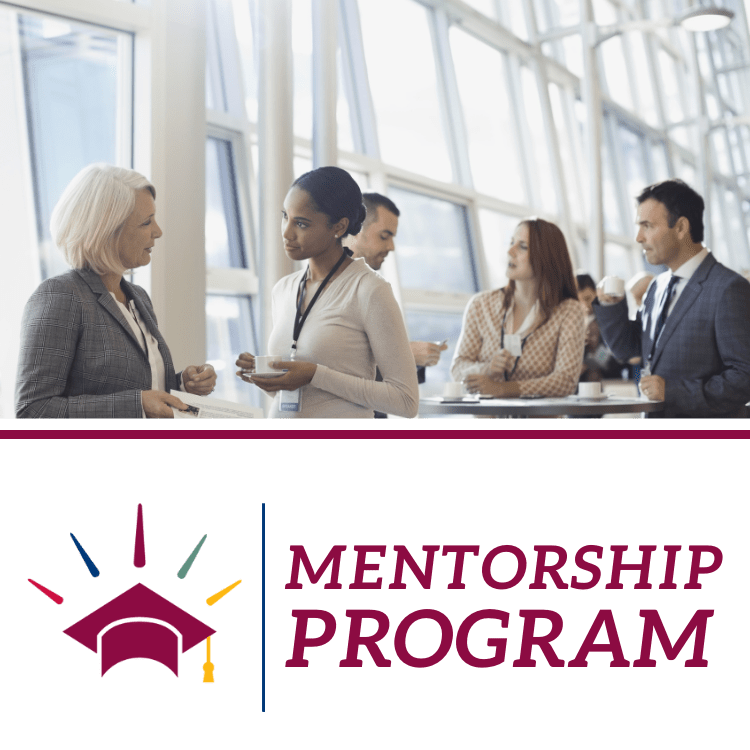
Mentorship programs for advanced learners have become increasingly popular in alternative schooling and education. These programs offer a unique opportunity for advanced students to receive personalized guidance, support, and enrichment beyond the traditional classroom setting. This article aims to shed light on the benefits of mentorship programs for advanced learners and how they contribute to their overall academic and personal growth.
One of the primary advantages of mentorship programs is that they provide a tailored approach to learning. Unlike regular classrooms where teachers must cater to the needs of an entire group, mentors can focus solely on one student’s specific strengths, weaknesses, interests, and goals. This individualized attention allows advanced learners to explore topics at a much deeper level while challenging them intellectually.
In addition to personalized instruction, mentorship programs also foster critical thinking skills. Advanced students often possess high levels of curiosity and creativity but may struggle with finding opportunities to apply their abilities fully. Through mentorship programs, these students are encouraged to think critically by engaging in problem-solving activities, stimulating discussions, research projects or even real-world experiences related to their areas of interest.
Furthermore, mentorships provide valuable networking opportunities for advanced learners. Mentors are typically experts in their field who have extensive knowledge and experience in specific subject areas or industries relevant to the student’s interests. By establishing connections with professionals through these programs, students gain access not only to valuable resources but also potential internships or future career prospects.
Moreover, mentorships promote self-confidence and personal development among advanced learners. Being paired with a knowledgeable guide who believes in their abilities helps boost students’ self-esteem as they receive constant encouragement throughout their educational journey. Mentors serve as role models who inspire students with their expertise and passion for learning.
Another significant advantage is that these programs encourage independent learning skills among advanced students. Mentorships allow participants greater control over what they learn and how they learn it since mentors act more as facilitators than instructors in traditional classrooms. Through this approach, students become more self-directed, responsible for their own progress and growth.
Additionally, mentorship programs create a supportive environment where advanced learners can connect with like-minded peers. These programs often bring together a cohort of talented individuals who share similar interests and aspirations. By interacting with each other, students can exchange ideas, collaborate on projects, and challenge one another to reach new heights academically.
Furthermore, mentorships help advanced learners navigate the complexities of higher education or specialized career paths. Mentors can offer guidance on college admissions, scholarship applications or provide insights into specific industries that interest the student. This type of support is invaluable as it helps students make informed decisions about their future while avoiding unnecessary pitfalls.
It’s important to note that mentorship programs are not limited to academic subjects alone. They can also extend beyond traditional classroom settings to include arts, sports, music, entrepreneurship or any other field where advanced learners seek guidance and enrichment.
In conclusion, mentorship programs play an essential role in alternative schooling and education by providing advanced learners with unique opportunities for personal growth and academic development. From personalized instruction to networking opportunities and fostering critical thinking skills – these programs cater specifically to the needs of high-achieving students seeking additional challenges beyond what regular classrooms offer. The benefits of mentorship programs extend far beyond knowledge acquisition; they empower individuals to become confident lifelong learners capable of making meaningful contributions in their chosen fields.
 Alternative Amie
Leave a comment