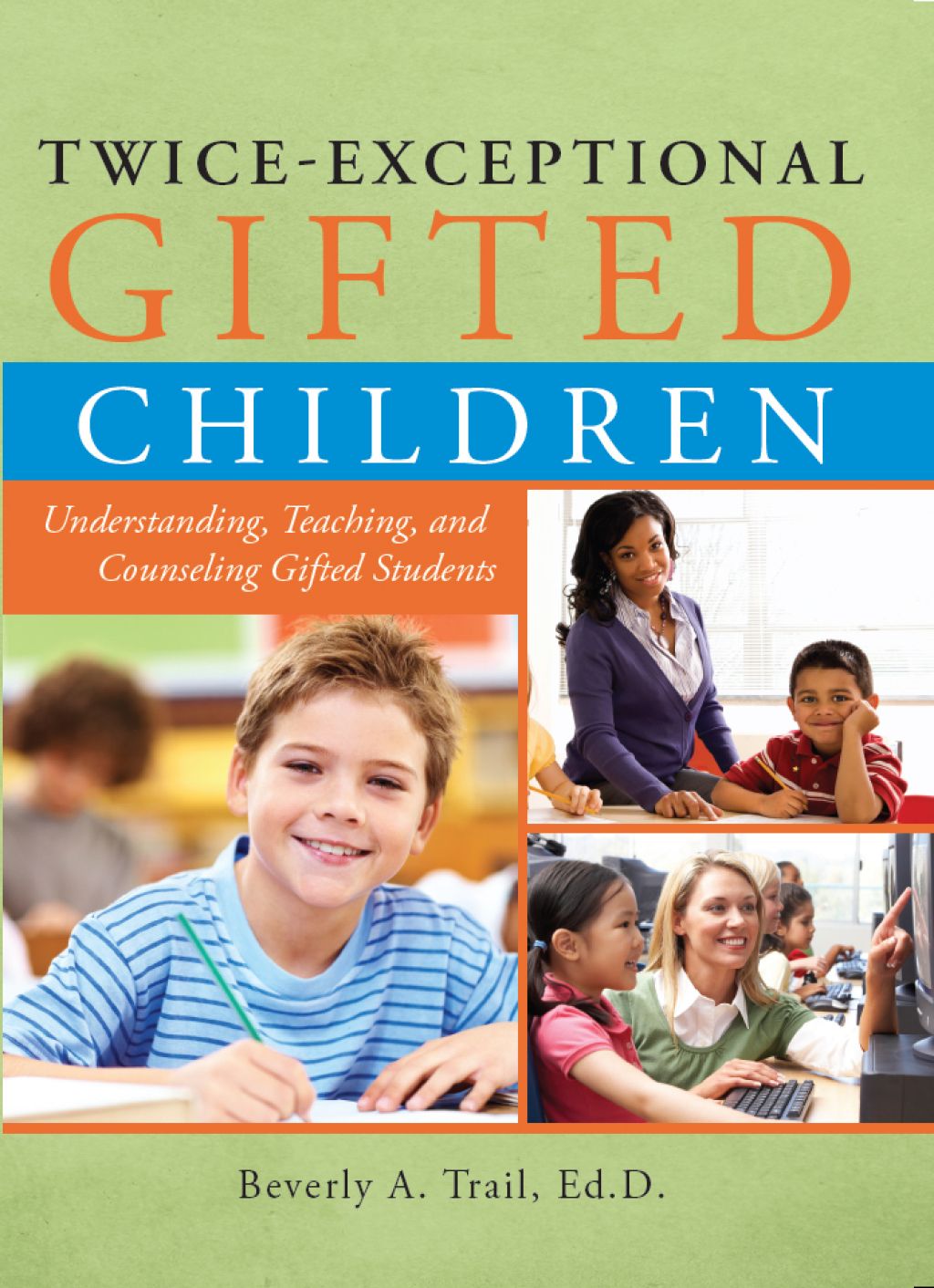
Gifted education is a critical aspect of our education system, ensuring that students with exceptional abilities have the opportunity to reach their full potential. However, there are several unique challenges and considerations when it comes to serving gifted learners. In this article, we will explore various topics related to gifted education and discuss strategies for supporting these students effectively.
1. Twice-exceptional students:
Twice-exceptional (2e) students are those who possess both high intellectual ability and a learning or developmental disability. These individuals may face significant challenges in traditional educational settings as their strengths can mask their disabilities or vice versa. It is essential for educators to identify 2e students early on so that appropriate support can be provided, including individualized instruction, accommodations, and specialized programs tailored to address their specific needs.
2. Underrepresentation of minority students in gifted programs:
There has been a longstanding issue of underrepresentation of minority students in gifted programs across the country. This disparity can be attributed to various factors such as cultural biases in testing and identification processes, lack of access to resources and opportunities outside school, and systemic inequalities within the education system. To address this issue, schools must implement equitable identification practices, provide culturally responsive programming, offer enrichment opportunities beyond the classroom walls, and actively engage families in the process.
3. Social and emotional needs of gifted learners:
Gifted learners often have unique social-emotional needs that require attention alongside academic development. They may experience heightened sensitivity or intensities that impact their relationships with peers or adults. Schools should prioritize social-emotional learning (SEL) initiatives that foster self-awareness, empathy-building skills, stress management techniques while creating safe spaces for open dialogue among peers.
4. Differentiated instruction for gifted students:
One-size-fits-all approaches do not work well for gifted learners since they require differentiated instruction tailored to their advanced abilities. Gifted education programs should focus on providing challenging curriculum content at an accelerated pace allowing for depth, complexity, and critical thinking. Educators can employ strategies such as compacting the curriculum, tiered assignments, independent study projects, and mentorship opportunities to meet the unique needs of gifted students.
5. Gifted education in rural areas:
Rural communities often face limited resources and access to specialized programs for gifted learners. To address this issue, schools can leverage technology to bridge geographical barriers by offering online courses or virtual enrichment programs. Additionally, partnerships with local businesses or universities can create opportunities for mentoring or internships that expose rural gifted students to a wider range of experiences.
6. Creativity and innovation in gifted education:
Gifted learners thrive when given opportunities to explore their creative potential and engage in innovative problem-solving activities. Encouraging divergent thinking through open-ended tasks, project-based learning approaches, entrepreneurship initiatives, and exposure to artistic fields nurtures creativity while fostering a growth mindset among gifted students.
7. Gender differences in giftedness:
Research suggests that there are some gender differences within the realm of giftedness. While boys tend to be overrepresented in certain domains such as mathematics and sciences, girls show strengths in language arts and social-emotional intelligence. It is crucial not only to recognize these differences but also challenge stereotypes and provide equal opportunities for all genders within gifted education.
8. Homeschooling options for gifted children:
Homeschooling can be an appealing option for parents seeking more flexibility or specialized instruction tailored specifically to their child’s advanced abilities. Many resources exist online or through homeschooling networks that offer curriculum options designed specifically for highly capable learners while still providing socialization opportunities through extracurricular activities or support groups.
9. Gifted education for low-income families:
Low-income families may face significant barriers when it comes to accessing quality services for their exceptionally capable children due to financial constraints or lack of awareness about available resources. Schools should actively reach out to these families by providing information about scholarships, after-school programs, and community resources that support gifted learners. Additionally, offering transportation options or flexible schedules can help alleviate some of the logistical challenges faced by low-income families.
10. Dual enrollment opportunities for gifted high school students:
Dual enrollment programs allow high-achieving and motivated high school students to enroll in college courses while still completing their high school requirements. This option provides an opportunity for gifted students to be academically challenged beyond what is available at the high school level. It also helps them transition smoothly into higher education and may even result in earning college credits before graduation.
11. The role of technology in supporting gifted learners:
Technology can play a significant role in supporting the needs of gifted learners, enabling access to advanced coursework, virtual collaborations with experts or other like-minded individuals globally, and personalized learning experiences tailored to individual interests and abilities. Online platforms, educational apps, and virtual reality tools offer opportunities for enrichment beyond traditional classroom settings.
12. Advocacy for gifted education funding and resources:
Advocacy is crucial when it comes to securing adequate funding and resources for gifted education programs. Parents, educators, administrators, policymakers need to collaborate on local and national levels to raise awareness about the importance of investing in these programs as well as advocating for policies that promote equitable identification practices across all demographics.
Gifted education encompasses a broad range of topics with unique considerations depending on various factors such as individual needs, cultural diversity, geographical location within distinct communities or alternative schooling environments outside traditional settings. By addressing these topics comprehensively through research-based strategies informed by best practices from educators nationwide – we can ensure that every exceptionally capable student receives the support they deserve to thrive academically, socially-emotionally fostering their full potential throughout their educational journey
 Alternative Amie
Leave a comment