Reflective Learning: A Powerful Tool for Alternative Education
In the realm of alternative schooling and education, reflective learning has emerged as a powerful tool to enhance students’ understanding and engagement with their own learning process. By encouraging students to reflect on their experiences, thoughts, and emotions, reflective learning helps them become active participants in shaping their educational journey.
At its core, reflective learning is a process that involves thinking critically about one’s own experiences and then using those reflections to guide future actions. It goes beyond simply recalling events; it requires individuals to analyze what happened, why it happened, and how it can inform their future decisions. This approach cultivates self-awareness, critical thinking skills, and personal growth – all essential elements of alternative education.
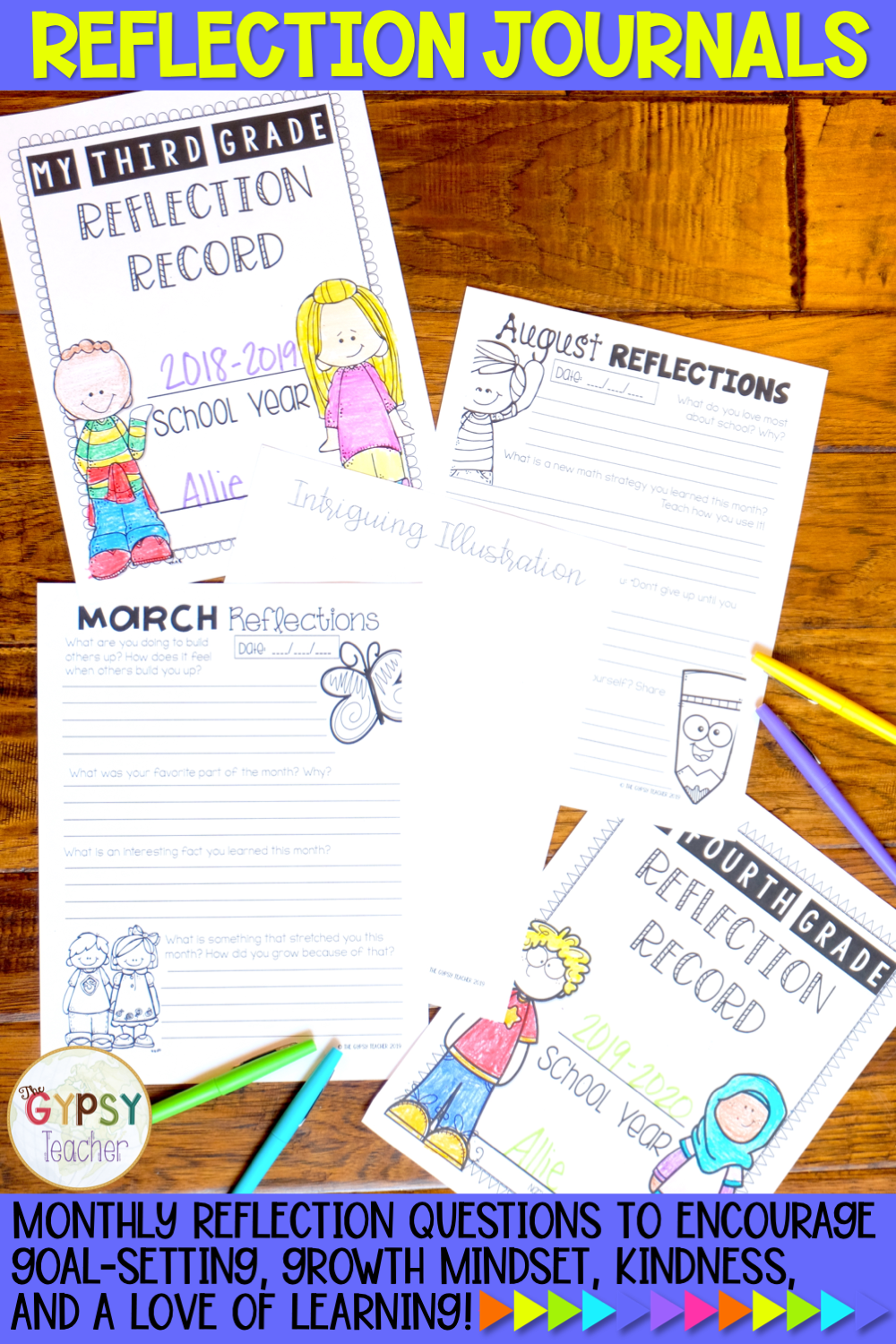
One of the key aspects of reflective learning is journaling. Students are encouraged to keep journals where they document their daily experiences, observations, challenges faced, successes achieved, and lessons learned. By regularly reflecting on these entries, students gain insights into patterns or recurring themes in their lives that might influence their academic performance or overall well-being.
Moreover, reflective learning prompts students to identify areas for improvement or further exploration. They learn how to set goals based on these reflections and develop action plans to achieve them. This practice not only enhances motivation but also fosters a sense of ownership over one’s education.
Another important aspect of reflective learning is facilitated discussions or group activities where students share their reflections with peers or mentors. These interactions provide valuable opportunities for collaborative problem-solving and collective knowledge construction. Through sharing diverse perspectives and discussing different approaches taken by each individual during reflection exercises, participants broaden their horizons while developing empathy towards others’ experiences.
Furthermore, incorporating guided questioning techniques helps students delve deeper into complex issues during reflection sessions. Thought-provoking questions like “What assumptions did I bring into this situation?” or “How could I have approached this differently?” encourage critical analysis rather than superficial reflection.
The benefits of reflective learning extend beyond the classroom. By developing a habit of reflection, students become lifelong learners who constantly assess and adapt their strategies to meet new challenges. They learn to take responsibility for their own growth and development, which is a key characteristic of alternative education.
In conclusion, reflective learning plays a crucial role in alternative schooling and education by empowering students to actively engage in their own learning process. Through journaling, goal-setting, facilitated discussions, and guided questioning techniques, students gain self-awareness, critical thinking skills, and personal growth. As they navigate through life’s challenges armed with these tools, they become well-equipped to thrive not only academically but also as responsible members of society.
 Alternative Amie
Leave a comment