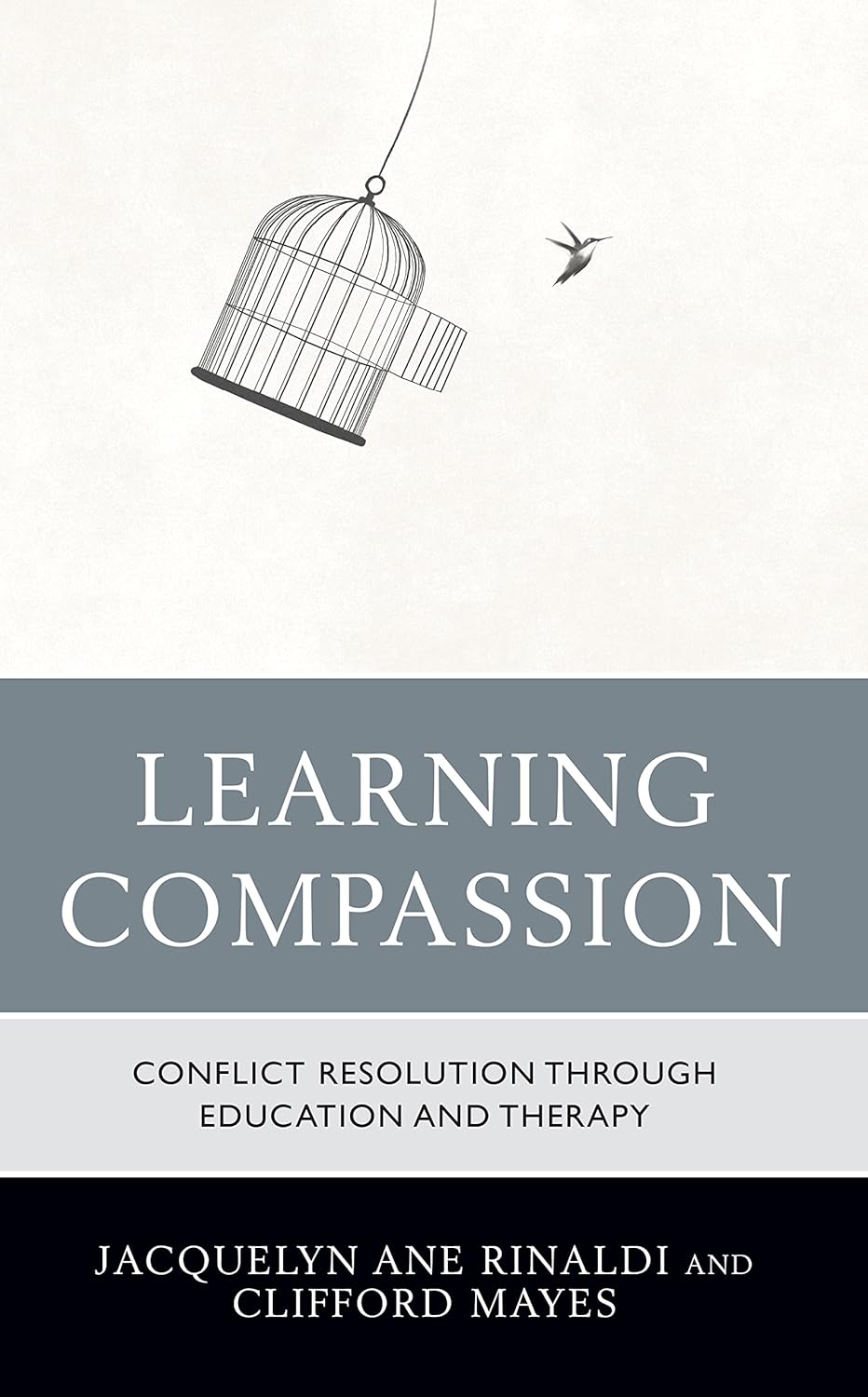
Peace education is a fundamental aspect of alternative schooling and education. It aims to foster the values of peace, empathy, compassion, and conflict resolution among students. By teaching young minds about peaceful coexistence, social justice, and nonviolent communication techniques, peace education equips them with essential skills to navigate through a complex and diverse world.
The roots of peace education can be traced back to the late 19th century when thinkers like Mahatma Gandhi advocated for nonviolence as a means to achieve political and social change. However, it wasn’t until the mid-20th century that peace education became more widely recognized as an integral part of formal and informal learning settings.
One key principle of peace education is promoting understanding and respect for diversity. In today’s interconnected global society, it is crucial for students to appreciate different cultures, religions, perspectives, and ways of life. Peace education encourages dialogue across these differences while discouraging stereotypes or prejudices. Students learn that diversity should be celebrated rather than feared or discriminated against.
Another central focus of peace education is conflict resolution. Students are taught various strategies for resolving conflicts peacefully instead of resorting to violence or aggression. They learn how to communicate effectively by actively listening, expressing their own needs without attacking others’ character or beliefs, seeking common ground in negotiation processes – all aimed at finding win-win solutions where everyone’s interests are met.
Furthermore, peace education emphasizes social justice issues such as poverty alleviation, gender equality, environmental sustainability – topics often neglected in traditional educational systems. By raising awareness about these issues from an early age through engaging activities and discussions both inside and outside the classroom setting; students develop empathy towards marginalized communities leading them towards taking action against injustice.
Alternative schools have been at the forefront in adopting peace education principles into their curriculum design because they recognize its transformative potential on individuals as well as society at large. These schools often prioritize experiential learning methods such as cooperative games or role-playing activities to cultivate empathy, promote teamwork, and encourage problem-solving skills.
In conclusion, peace education is an essential component of alternative schooling and education. By nurturing values of peace, empathy, compassion, and conflict resolution; it equips students with the necessary tools to create a more harmonious and just society. As we strive for a better future, incorporating peace education into mainstream educational systems can pave the way for a generation that actively seeks peaceful solutions to the challenges we face.
 Alternative Amie
Leave a comment