Virtual Special Education Programs: Transforming Learning for Students with Diverse Needs
Introduction:
In recent years, virtual education has gained significant popularity as an alternative to traditional brick-and-mortar schools. While it provides flexibility and convenience for many students, there is often a concern about how it caters to students with special needs. However, thanks to advancements in technology and the innovative efforts of educators, virtual special education programs have emerged as a powerful tool in transforming learning experiences for students with diverse needs. In this article, we will explore the benefits of virtual special education programs and how they are revolutionizing the way we approach inclusive education.
1. Accessible Learning Opportunities:
One of the key advantages of virtual special education programs is that they provide accessible learning opportunities for students who may have limited access to specialized services in their local communities. Virtual platforms eliminate geographical barriers by bringing together expert educators from various locations onto one platform. This enables students to access high-quality instruction tailored specifically to their individual needs.
Moreover, these programs offer a wide range of courses and resources that can be customized according to each student’s unique requirements. From speech therapy sessions conducted via video conferencing tools to interactive math lessons designed for learners on the autism spectrum, virtual special education programs ensure that every student receives an individualized educational experience.
2. Personalized Instruction:
Virtual special education programs excel at providing personalized instruction tailored specifically to meet each student’s unique strengths and challenges. Through online assessments and ongoing evaluations, educators can identify areas where additional support is required and adapt instructional strategies accordingly.
Furthermore, virtual platforms often employ data-driven approaches which allow teachers to monitor progress in real-time. By tracking individual achievements and identifying areas of improvement promptly, teachers can adjust lesson plans or interventions swiftly—ensuring that no student falls behind academically or socially.
3. Increased Engagement:
Engaging students with special needs can sometimes be challenging in traditional classroom settings due to various factors such as sensory overstimulation or limited attention spans. However, virtual special education programs offer a range of features and tools that can enhance engagement.
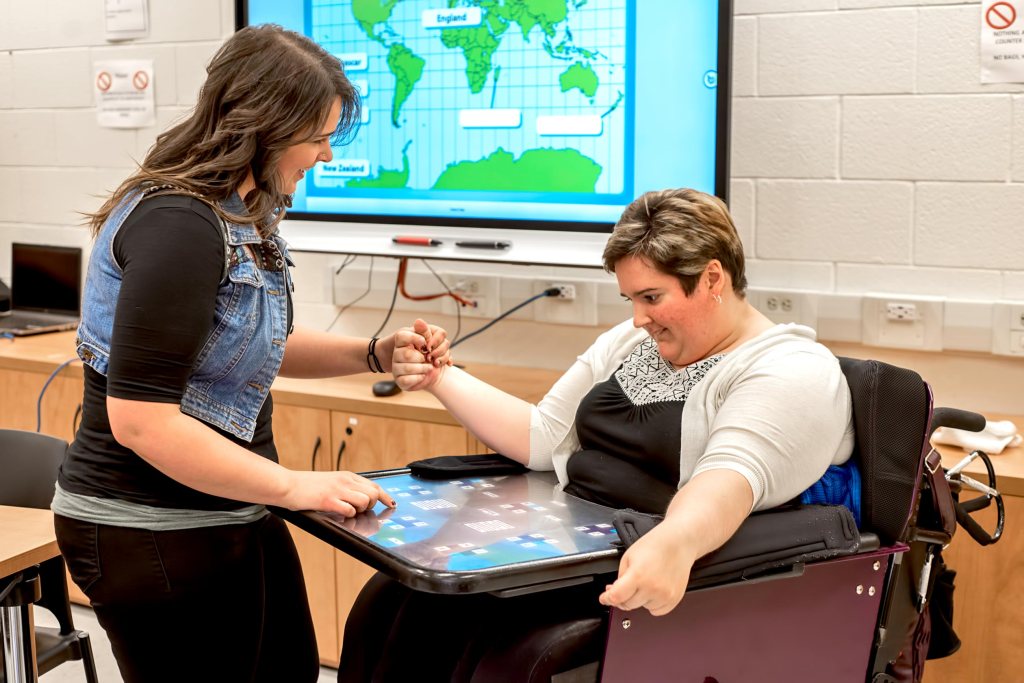
For example, interactive whiteboards, multimedia presentations, and gamified learning activities create an immersive learning environment that captures students’ interest. Additionally, many platforms incorporate assistive technologies like text-to-speech software or adaptive keyboards to accommodate diverse learning styles. By leveraging these technological advancements, virtual special education programs make learning more exciting and accessible for all students.
4. Collaboration and Peer Interaction:
Contrary to popular belief, virtual education does not isolate students; in fact, it fosters collaboration and peer interaction through online communities specifically designed for students with special needs. These communities provide a safe space for students to connect with their peers facing similar challenges and share experiences.
Virtual classrooms also promote collaborative projects where students work together on assignments or engage in discussions via video conferencing tools. Such interactions not only strengthen social skills but also help build self-confidence and a sense of belonging within the student community.
5. Support for Transitioning:
Transitioning between different educational settings or life stages can be particularly challenging for students with special needs. Virtual special education programs address this issue by providing continuity in their educational journey.
Whether transitioning from early intervention services to primary school or preparing for post-secondary education or employment opportunities, these programs ensure a smooth transition process by offering consistent support throughout each stage of the student’s academic career. Through personalized guidance from teachers and access to appropriate resources, virtual platforms empower students to navigate transitions successfully while minimizing stress and disruption.
Conclusion:
Virtual special education programs have revolutionized the way we approach inclusive education by providing accessible learning opportunities, personalized instruction, increased engagement levels, collaboration among peers, and continuous support during transitions. These innovative programs have opened doors previously closed due to geographical limitations or lack of specialized resources—ensuring that every student has equal access to quality education tailored according to their individual needs.
As technology continues to advance, virtual special education programs will play an increasingly vital role in creating inclusive and equitable learning environments for students with diverse needs. By harnessing the power of technology, educators can truly transform the educational landscape and empower every student to reach their full potential.
 Alternative Amie
Leave a comment