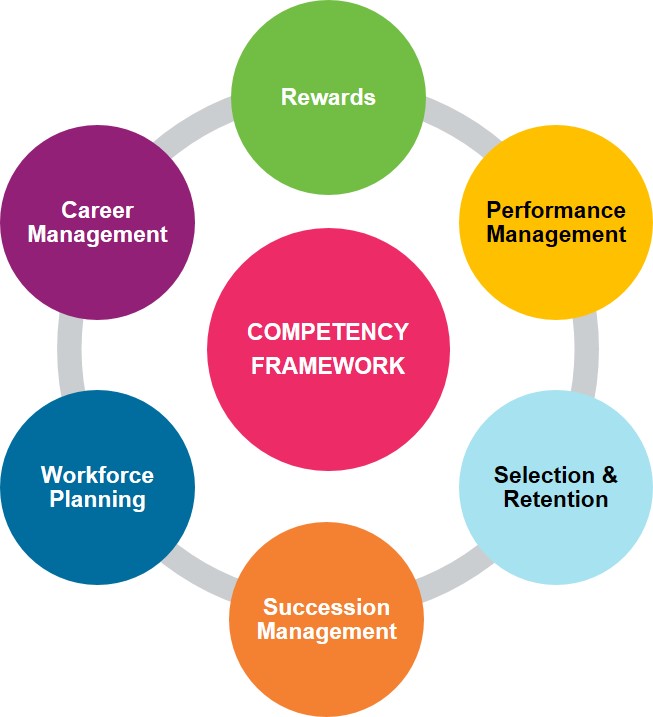
Competency frameworks are an essential tool in alternative schooling and education. They provide a clear and structured approach to defining the skills, knowledge, and abilities that students should acquire throughout their educational journey. These frameworks help educators design curriculum, assess student progress, and ensure that learners are well-prepared for future challenges.
At its core, a competency framework is a set of detailed descriptions outlining what students need to know or be able to do at different stages of their education. It breaks down complex subjects into specific competencies or learning outcomes that can be assessed objectively. For example, instead of simply stating “students will understand mathematics,” a competency framework might specify that students should demonstrate proficiency in areas such as arithmetic operations, algebraic thinking, geometry concepts, and data analysis.
One key advantage of using competency frameworks is their ability to promote personalized learning experiences. By clearly defining the desired outcomes for each skill or knowledge area, educators can tailor instruction to meet individual student needs. Competency-based education focuses on mastery rather than seat time; it allows students to progress at their own pace based on their unique strengths and weaknesses.
Moreover, competency frameworks enable transparent communication between educators, students, parents/guardians, and even potential employers or post-secondary institutions. When everyone involved understands what specific competencies are expected at each stage of learning, it becomes easier to track progress accurately. Students can see where they stand in relation to their goals while receiving guidance from teachers on areas needing improvement.
Creating a competency framework involves several steps. First and foremost is identifying the desired learning outcomes for each subject area or discipline. This requires consulting relevant curriculum standards as well as considering any additional skills necessary for success in the 21st-century workforce.
Once the desired outcomes have been determined, the next step is breaking them down into smaller units or sub-competencies. These sub-competencies should be measurable so that assessment becomes more objective and reliable. Teachers may use various assessment methods, such as tests, projects, portfolios, or presentations to gauge student proficiency.
Regularly reviewing and revising competency frameworks is crucial. Education is not static; it evolves with societal changes and advances in knowledge. Therefore, it’s essential to update competencies periodically to ensure they remain relevant and aligned with current educational goals.
In conclusion, competency frameworks are an invaluable tool for alternative schooling and education. They provide a clear roadmap for learning by breaking down complex subjects into specific skills and knowledge areas that students should acquire. By promoting personalized learning experiences and transparent communication between all stakeholders involved, these frameworks empower students to progress at their own pace while ensuring they meet the necessary educational standards. Creating a competency framework involves identifying desired outcomes, breaking them down into measurable sub-competencies, assessing student proficiency regularly, and reviewing/revise the framework as needed. With competency frameworks in place, educators can effectively guide students towards success in their academic journeys while preparing them for future endeavors.
 Alternative Amie
Leave a comment