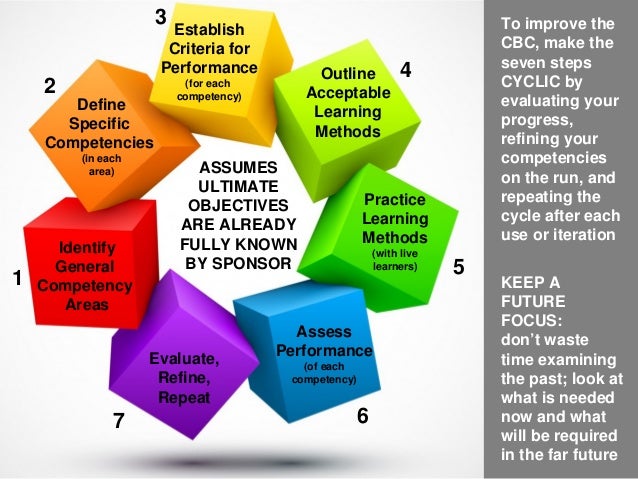
Competency-Based Curriculum Design: A DIY Guide to Alternative Education
In recent years, there has been a growing interest in alternative education models that focus on individual student needs and skill development. One such model that has gained popularity is competency-based curriculum design. This approach shifts the emphasis from traditional time-bound learning to mastery of specific skills or competencies. If you’re looking to create your own competency-based curriculum, this DIY guide will walk you through the process step by step.
Step 1: Identify Learning Goals
The first step in designing a competency-based curriculum is to identify the core competencies you want students to develop. Start by considering what knowledge, skills, and dispositions are essential for success in a particular subject area or field of study. Consult relevant standards and frameworks as a starting point but feel free to tailor them according to your unique vision.
Step 2: Break Down Competencies into Specific Learning Objectives
Once you have identified the core competencies, break them down into specific learning objectives or outcomes. These objectives should be measurable so that students can demonstrate their mastery of each competency. Use action verbs like “analyze,” “create,” or “synthesize” when formulating these objectives.
Step 3: Determine Assessment Methods
Next, decide how you will assess whether students have achieved each learning objective. Traditional tests and quizzes may not always be appropriate for assessing real-world skills and competencies. Consider alternative assessment methods such as performance tasks, projects, portfolios, presentations, or simulations that allow students to showcase their abilities authentically.
Step 4: Plan Instructional Strategies
With the learning objectives and assessment methods in mind, plan instructional strategies that will help students acquire the necessary knowledge and skills effectively. Incorporate various teaching techniques such as lectures, discussions, hands-on activities, group work, independent research projects – whatever suits your learners’ needs best.
Step 5: Build Flexible Pathways
One key feature of competency-based education is flexibility. Recognize that students may have different starting points and learning paces. Provide multiple pathways for students to achieve each competency, allowing them to progress at their own speed. Consider offering personalized learning experiences like online modules, individualized projects, or mentorship opportunities.
Step 6: Continuously Monitor Progress
Regularly monitor student progress throughout the curriculum using formative assessments. This will help you identify areas where students may need additional support or intervention. Adjust instruction accordingly to ensure all learners are on track to mastering the desired competencies.
Step 7: Celebrate Mastery
Finally, celebrate student mastery of competencies! Offer recognition when students demonstrate proficiency in a particular skill or competency. This can be done through certificates, badges, public exhibitions, or any other means that acknowledges their achievements and motivates further growth.
Remember that designing a competency-based curriculum requires ongoing reflection and refinement. Seek feedback from both teachers and students to continuously improve your program’s effectiveness.
By following this DIY guide, you can create a competency-based curriculum that empowers learners by focusing on real-world skills and individual growth. Embrace the potential of alternative education models and unlock new possibilities for your students’ success!
 Alternative Amie
Leave a comment