Alternative Assessment Methods in Unschooling for Teenagers
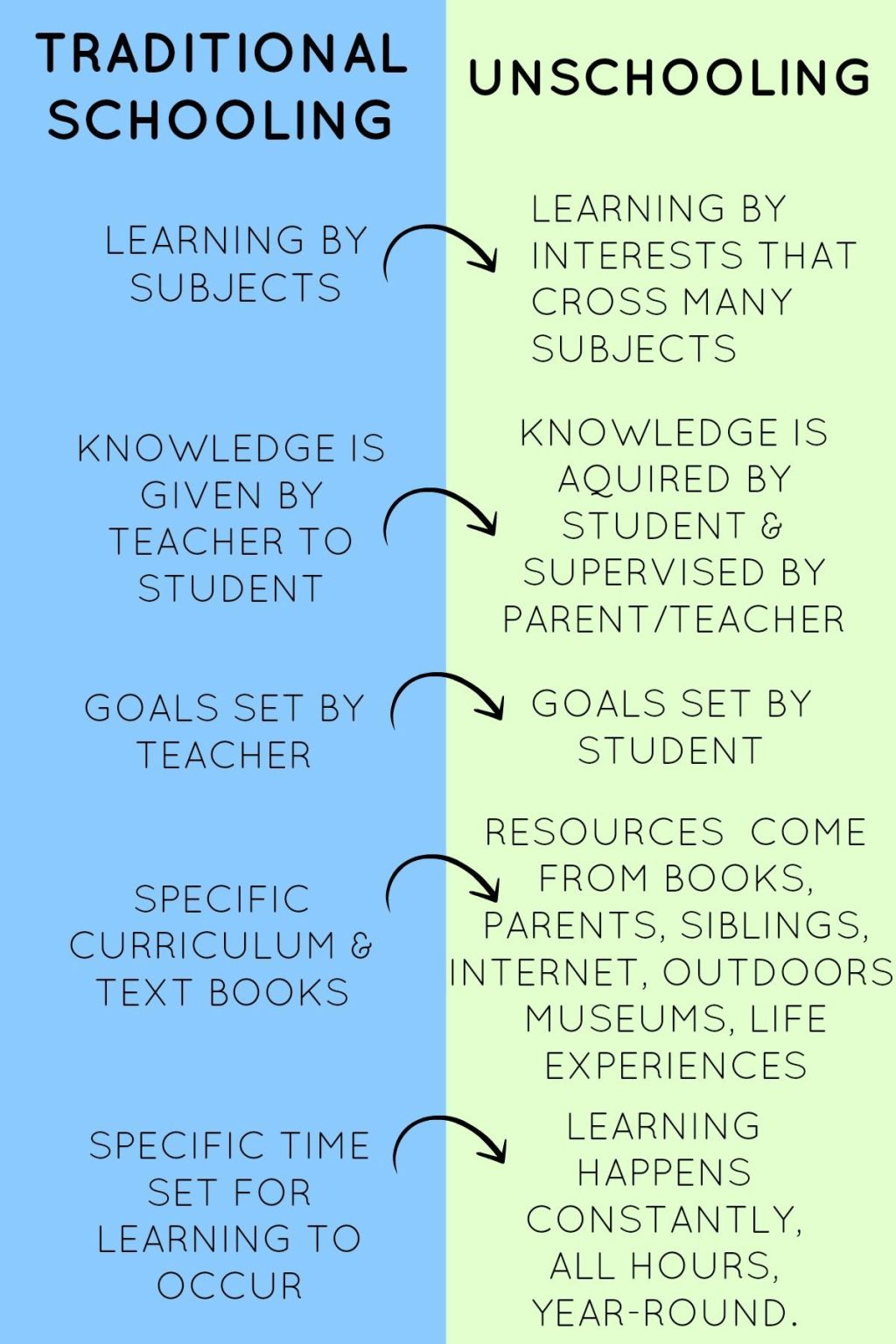
Unschooling is a form of alternative education that emphasizes self-directed learning and allows students to pursue their interests and passions outside of traditional school settings. With its focus on personalized learning experiences, unschoolers often seek alternative assessment methods to evaluate their progress. In this article, we will explore several effective assessment strategies for teenagers in unschooling.
1. Portfolio Assessment:
One popular method used by unschoolers is portfolio assessment. Students compile a collection of their work, including projects, essays, artwork, presentations, and other evidence of learning. Portfolios provide a holistic view of the student’s growth over time and allow them to showcase their strengths and interests.
2. Self-Assessment:
Encouraging teenagers to reflect on their own learning journey is another valuable assessment tool in unschooling. By regularly evaluating their progress and setting goals for themselves, students develop metacognitive skills while taking ownership of their education.
3. Project-Based Assessments:
In unschooling, project-based assessments are highly effective as they align with the philosophy of hands-on learning. Students engage in real-world projects related to their interests or career aspirations and demonstrate acquired knowledge through tangible outcomes such as prototypes or research papers.
4. Peer Assessments:
Peer assessments offer an opportunity for collaboration among unschooled teenagers while fostering critical thinking skills. By providing constructive feedback on each other’s work or participating in group discussions about different topics, students learn from one another while developing interpersonal skills.
5. Dialogue-Based Assessments:
Conversations between learners and facilitators play a crucial role in assessing growth in unschooling environments. Engaging in regular dialogues enables mentors to gauge understanding levels while allowing learners to articulate what they have learned or areas where they may need further support.
6. Experiential Assessments:
Unschoolers value experiential learning as a way to acquire knowledge beyond textbooks or classrooms. Assessments in the form of field trips, internships, or apprenticeships allow teenagers to apply their skills and knowledge in real-life contexts while providing valuable feedback for improvement.
7. Standardized Testing (Optional):
While unschooling often rejects traditional testing methods, some families may choose to include standardized tests as part of their assessment process. However, it is important to note that this approach is not commonly favored within the unschooling community due to its misalignment with the philosophy of personalized learning.
In conclusion, alternative assessment methods are vital for evaluating progress and growth in unschooling environments for teenagers. Portfolio assessments, self-assessment techniques, project-based evaluations, peer and dialogue-based assessments, experiential learning opportunities, and even optional standardized testing can all be utilized effectively within the framework of unschooling. By embracing these alternative methods, students can demonstrate their unique strengths and interests while fostering a lifelong love for learning outside traditional educational settings.
 Alternative Amie
Leave a comment