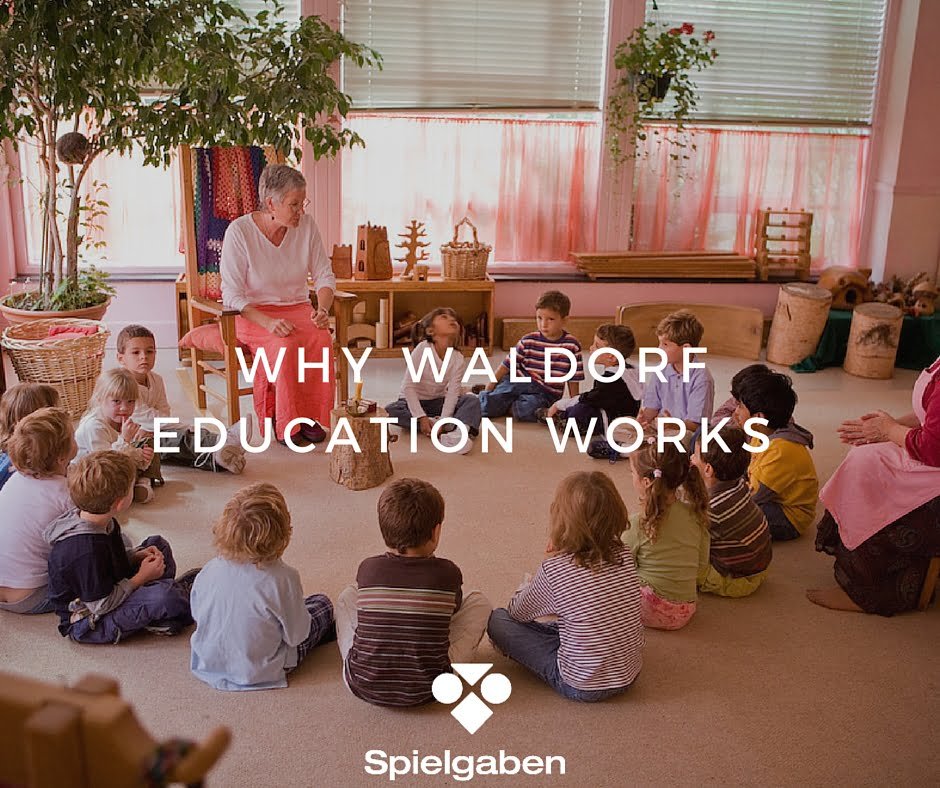
The Role of Technology in Waldorf Education
Waldorf education is known for its unique approach to learning, emphasizing imagination, creativity, and hands-on experiences. In today’s digital age, where technology plays a significant role in our daily lives, one might wonder how Waldorf schools incorporate technology into their curriculum. The answer may surprise you – Waldorf schools largely limit the use of technology in educational settings. This deliberate choice stems from the belief that children benefit most from direct engagement with the natural world and human interaction.
Critiques of the Steiner Curriculum
While Waldorf education has gained popularity around the world for its holistic approach to child development, it has also faced criticisms regarding its curriculum. One common critique is that it lacks academic rigor compared to traditional schooling systems. Critics argue that focusing on artistic expression and experiential learning detracts from core subjects like math and science. Additionally, some question whether Rudolf Steiner’s anthroposophical beliefs have influenced the content taught in Waldorf schools.
Integrating Children with Special Needs into Waldorf Schools
Inclusive education is an essential aspect of modern educational systems, ensuring that all children have equal access to quality education regardless of their abilities or disabilities. While Waldorf schools strive to create inclusive environments for students with special needs, critics argue that they may not adequately cater to these students’ specific requirements due to their emphasis on a standardized curriculum. However, many proponents of Waldorf education believe that by addressing each individual’s unique needs through a holistic approach rather than solely relying on specialized programs or therapies can be beneficial for all students.
Gender Roles and Stereotypes in Waldorf Education
Another area of concern when discussing alternative forms of education is gender roles and stereotypes within the classroom environment. Some critics claim that Rudolf Steiner’s esoteric beliefs about gender influence teaching practices at some Waldorf schools. However, it should be noted that while there may be variations among different institutions, the Waldorf curriculum itself does not explicitly promote gender bias. In fact, the emphasis on artistic expression and creativity often allows students to explore a wide range of interests and talents, regardless of societal expectations.
Addressing Diversity and Inclusivity in Waldorf Schools
Creating diverse and inclusive educational environments is a crucial goal for any school system. Critics argue that Waldorf schools have historically lacked diversity due to their association with higher socioeconomic classes. However, many Waldorf institutions are actively working to address this issue by offering scholarships and financial aid programs to ensure access for all students. Additionally, some schools have implemented initiatives to celebrate cultural diversity and foster inclusivity within their classrooms.
Alternative Assessment Methods in a Waldorf Classroom
Traditional forms of assessment, such as standardized testing or grades, do not align with the philosophy of holistic education embraced by Waldorf schools. Instead, alternative assessment methods focus on observing each child’s development over time through qualitative measures rather than quantitative evaluations. These methods may include portfolios showcasing student work, narrative assessments from teachers based on observations, or even self-assessments where students reflect on their own progress.
Exploring the Influence of Rudolf Steiner’s Esoteric Beliefs on Waldorf Education
Rudolf Steiner was deeply influenced by his esoteric beliefs when developing the principles of Waldorf education. While these beliefs may seem unconventional or mystical to some individuals, they form an integral part of Steiner’s educational philosophy. For example, anthroposophy emphasizes the interconnectedness between humans and nature while promoting spiritual growth alongside intellectual development. It is important to note that not all aspects of anthroposophy are incorporated into every aspect of a typical Waldorf curriculum.
The Controversy Surrounding Vaccinations and Waldorf Schools
One contentious issue surrounding certain Waldorf schools is their stance on vaccinations. Some critics argue that because some parents who choose alternative schooling options tend to be skeptical about mainstream medicine practices like vaccinations; this skepticism may also be present within the Waldorf community. However, it is crucial to recognize that not all Waldorf schools share the same views on vaccinations, and policies can vary between institutions.
Balancing Artistic Expression and Academic Rigor in a Waldorf Curriculum
One of the distinguishing features of Waldorf education is its commitment to nurturing creativity and artistic expression alongside academic subjects. Critics argue that this emphasis on artistry may come at the expense of academic rigor or preparation for standardized testing. However, proponents argue that by engaging students’ imagination and providing a holistic educational experience, children develop critical thinking skills that extend beyond rote memorization.
Parental Involvement and Decision-Making in a Waldorf School Community
Waldorf schools often place great importance on building strong relationships between teachers, parents, and students. Parental involvement is encouraged through various means such as parent-teacher conferences, volunteer opportunities within classrooms or school events, and parent-led initiatives. Additionally, some Waldorf schools incorporate participatory decision-making processes where parents are invited to contribute their perspectives when making important decisions about curriculum or school governance.
The Impact of Social Media on Waldorf Students’ Development
In today’s digital age where social media platforms dominate communication channels among young people, there is growing concern about its impact on children’s well-being and development. Since many Waldorf schools discourage or limit technology use during school hours, it could be argued that their students are shielded from some negative effects associated with excessive screen time and online interactions. Instead, they focus on developing interpersonal skills through direct human interaction both inside and outside the classroom.
Exploring Alternative Approaches to Discipline in a Waldorf Classroom
Discipline is an essential aspect of any educational setting; however, traditional disciplinary methods like punishment or rewards do not align with the philosophy of holistic education embraced by most Waldorf schools. Instead, educators strive to cultivate self-discipline by fostering an environment built on mutual respect and understanding. Conflict resolution strategies, open communication, and modeling positive behavior are prioritized over punitive measures.
Navigating Conflicts Between Traditional Teaching Methods and the Principles of Waldorf Education
When integrating traditional teaching methods with the principles of Waldorf education, conflicts may arise. Critics argue that the emphasis on creativity and experiential learning can clash with more structured teaching methodologies found in mainstream educational systems. However, proponents argue that while there may be some tensions between these approaches, a balance can be struck by adapting certain elements to align with the holistic philosophy at the core of Waldorf education.
Examining the Effectiveness of Outdoor Education Programs in a Waldorf Setting
Outdoor education is an integral part of many Waldorf schools’ curriculum. Nature-based activities provide students with opportunities for sensory experiences, physical development, and a deep connection to their natural surroundings. Proponents argue that spending time outdoors fosters curiosity, resilience, problem-solving skills while promoting environmental stewardship among children.
Addressing Criticisms of Anthroposophy within the Context of a Waldorf School
Anthroposophy is often closely associated with Rudolf Steiner’s teachings and serves as a foundation for many aspects of Waldorf education. While anthroposophical beliefs have been subject to criticism due to their esoteric nature or lack of scientific evidence, it is important to note that not all aspects are incorporated into every aspect of a typical Waldorf curriculum. Additionally, many modern-day practitioners strive for inclusivity by focusing on universal human values rather than exclusive spiritual doctrines.
Incorporating Mindfulness Practices into Daily Routines at a Waldorf School
Mindfulness practices have gained significant attention in recent years for their potential benefits regarding mental health and well-being. Many Waldorf schools incorporate mindfulness exercises like breathing techniques or quiet reflection into daily routines – creating moments for stillness amidst busy classroom schedules. These practices aim to help students develop self-awareness while fostering a sense of calm and focus within the learning environment.
Supporting Students’ Mental Health and Well-being within a Holistic Educational Approach
Prioritizing students’ mental health and well-being is fundamental to any educational setting, including Waldorf schools. By fostering a nurturing environment that encourages emotional expression, mindfulness practices, and strong teacher-student relationships, educators aim to support students holistically. Additionally, some schools provide access to counselors or therapists who can provide additional support when needed.
The Role of Play-Based Learning in Early Childhood Education within the Context of a Waldorf School
Play-based learning is considered an essential component of early childhood education as it promotes exploration, creativity, problem-solving skills, and social development. In Waldorf early childhood classrooms, play is at the heart of daily activities. Children engage in imaginative free play with natural materials while teachers take on supportive roles as facilitators rather than directors.
Exploring Different Models for Teacher Training and Professional Development in the Field of Waldorf Education
Teacher training in Waldorf education typically follows a unique path compared to traditional teacher preparation programs. Many Waldorf schools offer specialized courses or workshops for aspiring teachers interested in understanding Steiner’s educational philosophy more deeply. These programs often emphasize experiential learning alongside theoretical knowledge to ensure that teachers are equipped with both pedagogical skills and an understanding of anthroposophy.
Examining the Influence of Socioeconomic Factors on Access to and Representation Within Waldorf Schools
Critics argue that certain socioeconomic factors have historically limited access to Waldorf education due to tuition fees associated with private institutions or lack of diversity within some communities. However, many efforts are being made by individual schools or foundations committed to widening access through scholarships or financial aid programs. Furthermore, ongoing discussions about representation within school communities highlight the importance placed on creating diverse student bodies from various backgrounds.
In conclusion, while no educational system is without its criticisms or challenges; exploring topics related to technology use, curriculum critiques, inclusion of children with special needs, gender roles, alternative assessment methods, and other aspects of Waldorf education sheds light on the complexities and ongoing debates within this unique educational approach. By critically examining these topics, we can better understand the strengths and limitations of Waldorf education while striving to create inclusive and engaging learning environments for all students.
 Alternative Amie
Leave a comment