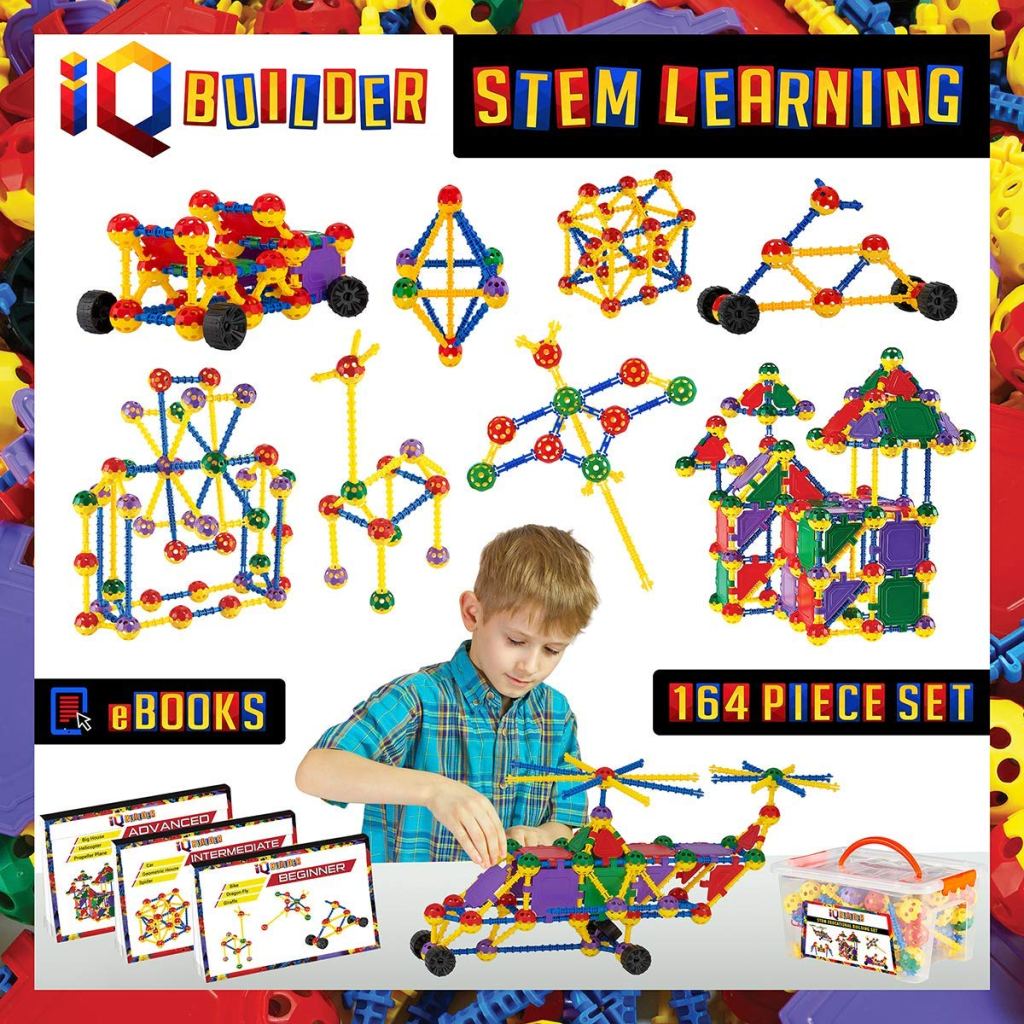
The Role of Creativity in STEM Education
Creativity is often associated with the arts and humanities, but its importance extends far beyond those disciplines. In fact, creativity plays a vital role in STEM education as well. STEM (Science, Technology, Engineering, and Mathematics) fields are traditionally thought of as logical and analytical, but incorporating creativity into these subjects can enhance learning outcomes and foster innovation.
When students are encouraged to think creatively in their STEM studies, they are more likely to develop a deeper understanding of the subject matter. Instead of simply memorizing formulas or following step-by-step procedures, creative thinking allows students to explore different approaches and solutions. This not only strengthens their problem-solving skills but also encourages them to take risks and think outside the box.
One way to promote creativity in STEM education is by incorporating project-based learning activities. These hands-on projects give students the opportunity to apply what they have learned in real-world contexts. For example, instead of just learning about circuits through textbooks or lectures, students could design and build their own electronic devices. This kind of open-ended exploration allows for creative thinking while reinforcing core concepts.
Furthermore, integrating art into STEM education can be incredibly powerful. The concept of STEAM (Science, Technology, Engineering, Arts and Mathematics) aims at combining artistic principles with scientific inquiry to foster innovation. By encouraging students to approach problems from different perspectives – both logical and creative – we create an environment that nurtures well-rounded individuals who can approach challenges holistically.
Integrating Social Justice into STEM Curriculum
Social justice issues are prevalent in every aspect of society today – including science and technology fields. It is crucial for educators to address these issues within the context of a STEM curriculum so that future generations understand how scientific advancements impact marginalized communities differently.
Including social justice topics within a STEM curriculum helps broaden students’ understanding of societal issues while promoting critical thinking skills necessary for solving complex problems that affect diverse populations. By examining the social implications of scientific research and technological advancements, students develop a sense of responsibility in making ethical decisions.
For example, when teaching about climate change, educators can discuss how marginalized communities are disproportionately affected by environmental degradation and the importance of finding equitable solutions. By incorporating discussions on race, gender, socioeconomic status, and other aspects of identity into STEM lessons, we encourage students to consider the societal impact of their work.
Teaching Ethics in Science and Technology
Ethics play a significant role in science and technology. It is essential for educators to teach students not only the technical skills but also the ethical principles that guide scientific research and technological development.
By introducing ethical considerations into STEM education, students learn to navigate moral dilemmas they may encounter throughout their careers. They learn about responsible conduct in research, respect for human subjects’ rights during experimentation, as well as privacy concerns related to data collection and analysis.
Addressing Gender Disparities in STEM Fields
Gender disparities continue to persist within STEM fields. Encouraging more girls and women to pursue careers in science and technology requires addressing these disparities from an early age through inclusive educational practices.
Educators can promote gender equality by challenging stereotypes that discourage girls from pursuing STEM subjects. By showcasing female scientists as role models during lessons or inviting guest speakers who have succeeded in male-dominated fields, educators can inspire young girls to follow their passion for science without feeling limited by societal expectations.
Exploring the History of Scientific Discoveries
Understanding the history behind scientific discoveries helps contextualize current knowledge while highlighting the collaborative nature of scientific inquiry. Educators can incorporate historical perspectives into STEM classes by discussing notable scientists’ contributions or examining breakthroughs that have shaped our understanding of various disciplines over time.
Incorporating Environmental Sustainability into STEM Lessons
Environmental sustainability is a pressing global issue that affects all aspects of society. Integrating sustainability principles into STEM education allows students to understand how their actions impact the environment while exploring innovative solutions to mitigate environmental challenges.
Promoting Mental Health and Well-being in STEM Students
STEM education can be challenging and demanding, often leading to high levels of stress and anxiety among students. Educators must prioritize the mental health and well-being of their students by creating supportive environments that encourage self-care, stress management, and a healthy work-life balance.
Fostering Critical Thinking Skills in Mathematics Education
Mathematics is not just about memorizing formulas and solving equations. It is also about developing critical thinking skills that enable students to analyze problems, evaluate evidence, and construct logical arguments. Teachers can foster critical thinking skills by incorporating problem-solving activities that require students to think critically while applying mathematical concepts.
Cultivating Empathy and Compassion through Engineering Projects
Engineering projects provide an opportunity for students to apply their technical knowledge in real-world contexts. By encouraging empathy and compassion in engineering design, educators help cultivate professionals who consider the needs of all individuals affected by their creations – whether it’s designing accessible infrastructure or addressing social inequalities through technological solutions.
Examining the Impact of Cultural Diversity on Scientific Research
Scientific research benefits from diverse perspectives as it leads to more comprehensive understanding. By exploring how cultural diversity influences scientific inquiry, educators provide students with insights into how different cultures contribute unique ideas, methodologies, and approaches within STEM fields.
Teaching Coding and Computer Science to Young Children
In today’s digital age, coding has become a fundamental skill required across various industries. Introducing coding concepts at an early age helps children develop computational thinking skills while fostering creativity and problem-solving abilities necessary for future success.
Exploring the Intersection of Art and Science in STEAM Education
The integration of art into science education promotes interdisciplinary learning by engaging both analytical reasoning (science) alongside creative expression (art). Through STEAM education initiatives, educators bridge the gap between these seemingly disconnected disciplines while encouraging innovation through collaboration between artists and scientists.
Incorporating Indigenous Knowledge Systems into STEM Curriculum
Indigenous knowledge systems hold valuable insights into the natural world and can contribute to scientific understanding. By incorporating indigenous perspectives within a STEM curriculum, educators honor diverse ways of knowing while fostering cultural respect and appreciation.
Understanding the Psychology behind Effective Science Communication
Effective science communication is crucial for bridging the gap between scientists and the general public. Educators can teach students about effective science communication techniques, including simplifying complex concepts, using visual aids, and tailoring messages to different audiences.
Promoting Inclusive Practices for Students with Disabilities in STEM Classes
Inclusion should be a fundamental principle in all educational settings, including STEM classrooms. Teachers must adopt inclusive practices that accommodate students with disabilities by providing necessary accommodations, promoting accessibility in learning materials, and encouraging collaboration among peers.
Teaching Statistics and Data Analysis beyond Traditional Mathematics Courses
Statistics and data analysis are integral components of scientific research across various disciplines. Educators can promote statistical literacy by integrating statistics lessons throughout the STEM curriculum rather than confining them solely to mathematics classes. This approach helps students develop skills essential for interpreting data critically.
Exploring the Potential of Virtual Reality for Immersive Learning Experiences
Virtual reality (VR) technology provides immersive learning experiences that enhance student engagement while allowing them to explore complex concepts or environments not easily accessible otherwise. Integrating VR into STEM education opens up new possibilities for interactive learning.
Examining the Ethics of Genetic Engineering and Biotechnology
Advancements in genetic engineering raise ethical questions regarding topics such as genetically modified organisms (GMOs), gene editing technologies like CRISPR-Cas9, or cloning. It is important for educators to facilitate discussions around these topics so that students understand both the potential benefits and ethical implications associated with these advancements.
Integrating Mindfulness Practices into Science Experiments and Investigations
Mindfulness practices cultivate focus, attention to detail, patience, and curiosity – qualities essential for conducting rigorous scientific experiments or investigations effectively. By incorporating mindfulness exercises into STEM classes, educators create an atmosphere that encourages students to approach scientific inquiry with a sense of presence and awareness.
Teaching Sustainable Agriculture and Food Systems as Part of STEM Education
Understanding sustainable agriculture and food systems is vital for addressing global challenges such as food security, climate change, and environmental degradation. By teaching students about sustainable farming practices, responsible resource management, and the impact of food choices on the planet, educators empower future generations to make informed decisions regarding agriculture and food production.
In conclusion, incorporating these diverse topics into STEM education expands its horizons beyond traditional technical skills. By promoting creativity, social justice principles, ethics, gender equality, historical understanding, environmental sustainability, mental health support,
critical thinking skills in mathematics education,
empathy and compassion through engineering projects,
cultural diversity in scientific research,
coding for young children,
STEAM education,
indigenous knowledge systems,
effective science communication psychology
inclusive practices for students with disabilities
statistics and data analysis integration
virtual reality immersive learning
genetic engineering ethics
mindfulness practices
sustainable agriculture – we can shape a more holistic approach to educating the next generation of scientists and innovators who are not only technically proficient but also socially conscious problem solvers.
 Alternative Amie
Leave a comment