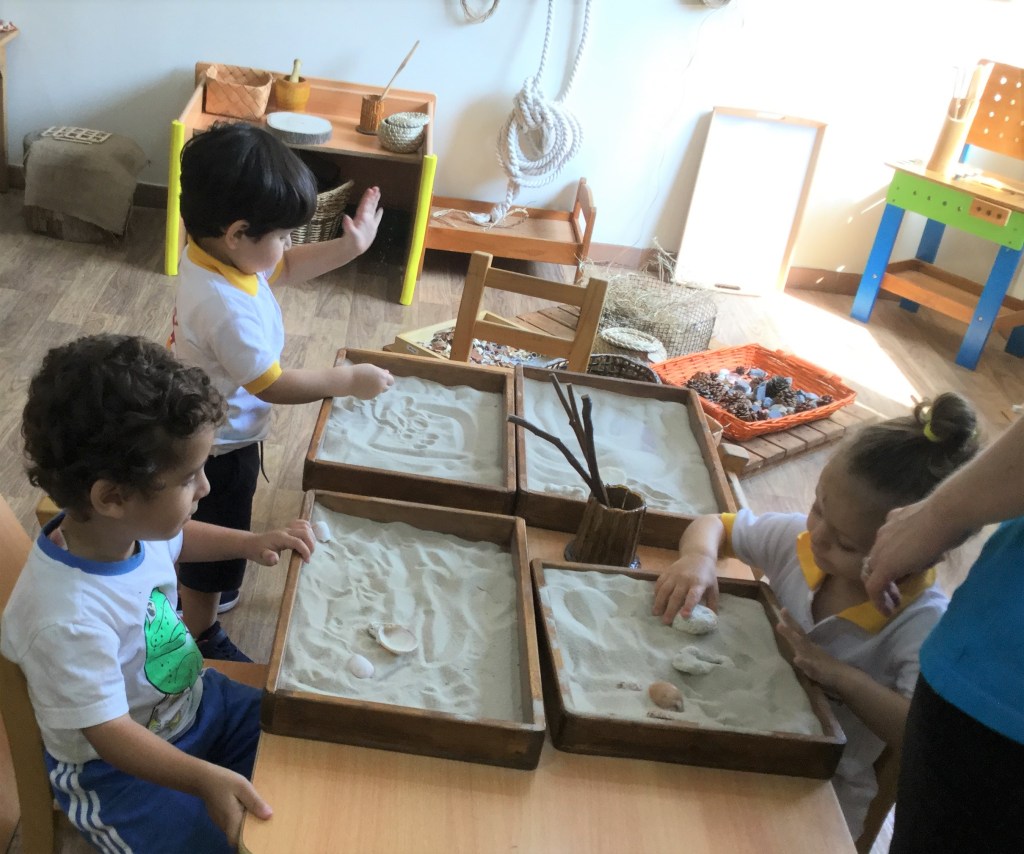
The Reggio Emilia approach is a widely recognized and respected educational philosophy that originated in the town of Reggio Emilia, Italy. The approach places a strong emphasis on the child as an active participant in their own learning process, and it values the importance of collaboration, creativity, and community within the educational setting.
One of the key principles of a Reggio-inspired curriculum is nurturing sustainable practices and environmental awareness within a school community. This involves teaching children about the importance of taking care of our planet and developing habits that promote sustainability. Schools following this approach often incorporate activities such as recycling programs, composting projects, and gardening to give students hands-on experiences with environmental stewardship.
By integrating sustainability into daily practices within the school community, children are encouraged to develop an understanding of their role in preserving natural resources for future generations. They learn about reducing waste, conserving energy, and making environmentally conscious choices both inside and outside the classroom. These lessons not only empower students to become responsible global citizens but also foster a sense of connection to nature and appreciation for its beauty.
Another principle inherent in a Reggio-inspired curriculum is promoting cultural diversity and global perspectives within an educational setting. This approach recognizes that we live in an interconnected world where exposure to different cultures fosters empathy, respect for others’ traditions, and broadens one’s worldview.
Incorporating cultural diversity into education helps create inclusive learning environments where all students feel valued regardless of their background or heritage. Teachers can achieve this by incorporating multicultural literature into their lesson plans or inviting guest speakers from various ethnic backgrounds to share their experiences with students.
Moreover, technology has made it easier than ever before to connect classrooms around the world through virtual exchanges or video conferences with schools from different countries. These interactions provide opportunities for students to engage in meaningful discussions about global issues while deepening their understanding and appreciation for other cultures.
Conflict resolution is another important aspect addressed within a collaborative learning environment influenced by the Reggio Emilia approach. The philosophy emphasizes that conflicts are natural and can be valuable learning experiences when handled constructively.
Teachers in Reggio-inspired classrooms encourage children to express their feelings, thoughts, and opinions openly while providing guidance on how to listen and respond respectfully to others. Through dialogue, negotiation, and problem-solving activities, students learn essential skills for conflict resolution that will serve them well throughout their lives.
The Reggio Emilia approach values the process of learning as much as the end result. It recognizes that children have unique strengths and interests that should guide their educational journey. In early childhood education settings, this means creating an environment where children are encouraged to explore their ideas through hands-on experiences.
Teachers act as facilitators or co-learners rather than strict authority figures. They observe children’s play and interactions closely, documenting their progress through photographs, videos, and written notes. This documentation serves multiple purposes – it helps both teachers and parents understand a child’s development over time while also providing a visual representation of the child’s learning journey.
As students progress into primary and elementary school education, the principles of the Reggio Emilia approach continue to guide teaching practices. The curriculum remains flexible and adaptable based on student interests, with projects often emerging from collaborative discussions between teachers and students.
Incorporating art in various forms is another distinctive feature of a Reggio-inspired primary education setting. Drawing from the belief that artistic expression is an essential part of human communication, schools following this approach provide ample opportunities for students to engage in creative activities such as painting, sculpting, music-making, or dramatic play.
The impact of the Reggio Emilia philosophy on teacher professional development cannot be overstated. Teachers who adopt this approach undergo significant shifts in their role within the classroom – they become researchers alongside their students rather than merely imparting knowledge.
Professional development opportunities for educators include visits to other Reggio-inspired schools or attending conferences where they can network with like-minded educators and share best practices. Ongoing reflection and collaboration with colleagues are also integral to the growth of teachers following a Reggio-inspired approach.
Documentation plays a crucial role in teacher practice within a Reggio-inspired context. Through documentation, teachers gain insights into children’s thought processes, interests, and learning styles. They use this information to tailor their teaching strategies, create individualized learning plans, and provide meaningful feedback to students and parents.
Furthermore, documentation serves as evidence of student progress over time and helps make children’s learning visible to both internal stakeholders (teachers, students) and external ones (parents, administrators). It fosters a culture of transparency and accountability within the educational community.
The connection between the Reggio Emilia approach and sustainable educational reform efforts is significant. This philosophy aligns with broader movements towards creating more holistic, child-centered education systems that value creativity, critical thinking skills, collaboration, and global citizenship.
By embracing the principles of the Reggio Emilia approach on a larger scale within mainstream education systems worldwide, we can move closer toward achieving sustainable educational reform. This shift would empower learners from diverse backgrounds to thrive academically while also nurturing their social-emotional development in ways that prepare them for an ever-changing world.
In conclusion, the Reggio Emilia approach offers valuable insights into how we can foster sustainable practices, promote cultural diversity and global perspectives within schools while addressing conflict resolution collaboratively. The philosophy emphasizes hands-on experiences guided by student interests where teachers act as co-learners rather than traditional authority figures. By incorporating these principles into early childhood education settings through primary school levels while supporting teacher professional development through reflective documentation practices we can work towards creating more inclusive educational environments that support all learners’ needs
 Alternative Amie
Leave a comment