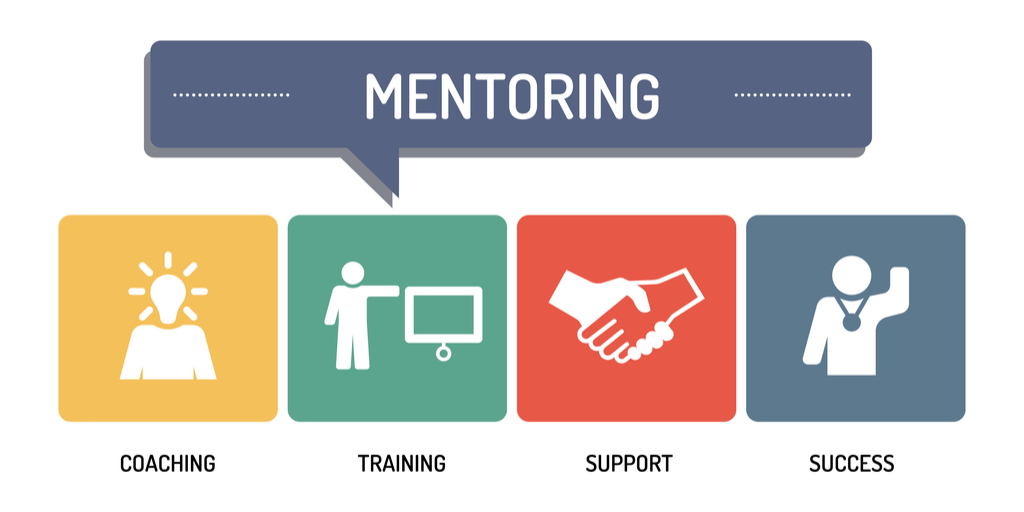
Peer Mentorship and College Readiness: A Pathway to Success
As high school graduation approaches, many students find themselves facing the daunting task of preparing for college. The transition from high school to higher education can be overwhelming, as it often involves navigating new academic expectations, social dynamics, and personal responsibilities. To ease this transition and ensure a successful college experience, peer mentorship programs have emerged as a valuable resource.
Peer mentorship is a powerful tool that connects current college students with incoming freshmen or high school seniors aspiring to attend college. These mentors provide guidance, support, and advice based on their own experiences navigating the challenges of college life.
One significant advantage of peer mentorship is the relatability factor. Mentors are typically only a few years older than their mentees; they have recently undergone similar experiences and can empathize with the anxieties and uncertainties associated with starting college. This relatability fosters trust between mentors and mentees, creating an environment where students feel comfortable seeking guidance without fear of judgment.
Mentorship programs also offer practical assistance in various areas of college readiness. Mentors help mentees explore potential career paths by sharing insights into different majors or fields of study. They assist in selecting suitable colleges that align with mentee’s goals and ambitions while providing tips on application processes such as writing compelling personal statements or securing financial aid.
Moreover, peer mentors play an essential role in helping students adapt to the academic rigor of higher education. They can share effective study techniques, time management strategies, and resources available on campus like tutoring services or academic workshops. By equipping students with these tools early on, mentorship programs empower them to succeed academically right from the start.
Beyond academics, peer mentors provide invaluable assistance regarding social integration and emotional well-being during this critical period of adjustment. They offer advice on making friends, getting involved in extracurricular activities or clubs that match student interests while also addressing common challenges like homesickness or feelings of loneliness. By fostering a sense of belonging, peer mentorship programs contribute to overall student satisfaction and retention rates.
In conclusion, peer mentorship programs are an effective approach to support students in their transition from high school to college. By connecting incoming freshmen with experienced college students, these programs provide guidance on various aspects of college readiness, including academic preparation, career exploration, social integration, and emotional well-being. As we strive for comprehensive education systems that prioritize holistic development and success for all students, the implementation and expansion of peer mentorship initiatives should be encouraged at every level of education.
 Alternative Amie
Leave a comment