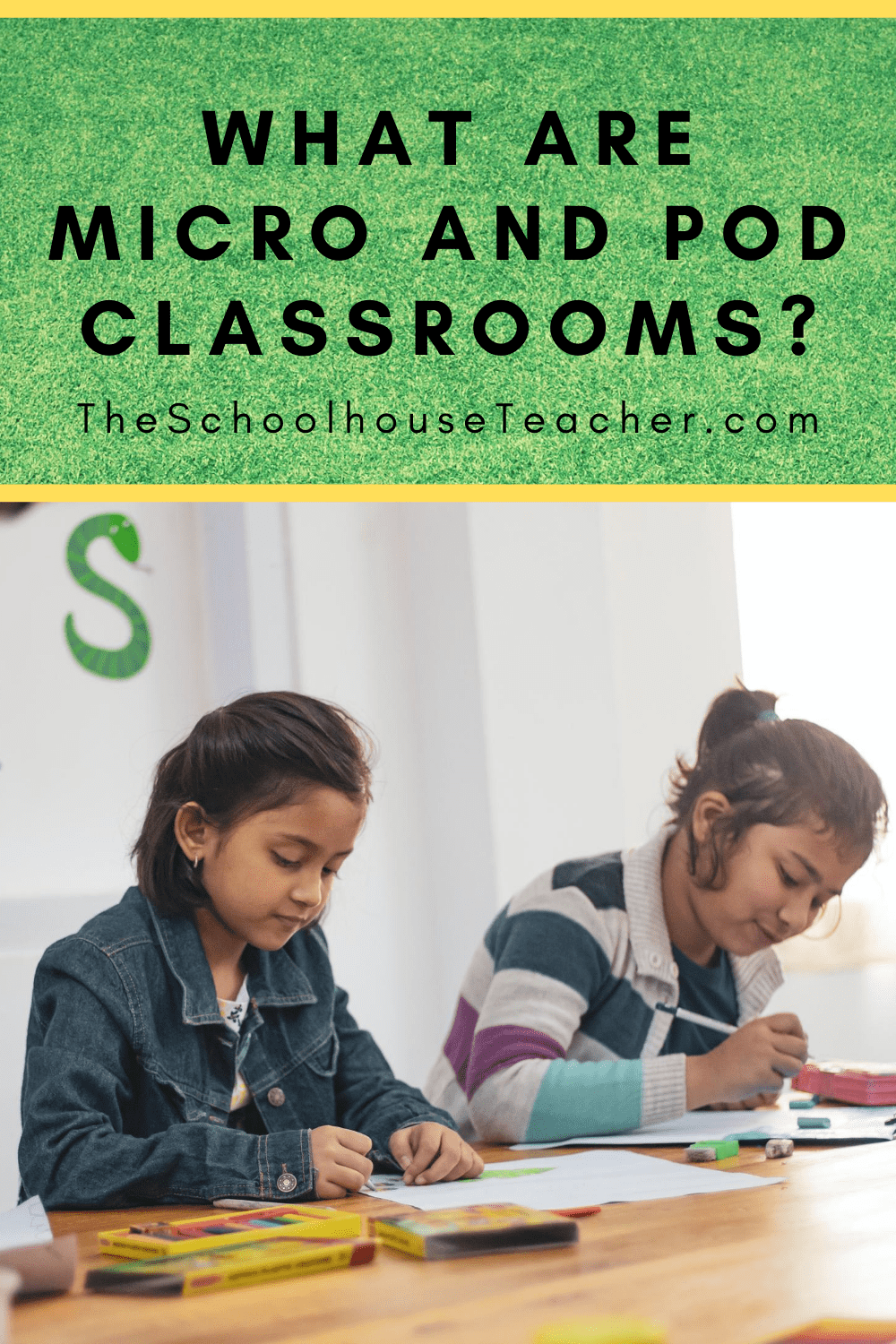
Microschool Models That Involve Homeschooling Parents as Educators
Education is constantly evolving, and new models are emerging to cater to the diverse needs of students. One such model that has gained traction in recent years is microschooling. Microschools are small, independent schools that typically have fewer than 10 students and focus on personalized education. They offer an alternative approach to traditional schooling, allowing for flexibility and tailored learning experiences. In this article, we will explore microschool models that involve homeschooling parents as educators.
Homeschooling has long been a choice for parents who seek more control over their child’s education or want to address specific learning needs. However, it can be challenging for some families due to time constraints or concerns about expertise in various subjects. This is where microschools come in – they bridge the gap between homeschooling and traditional schooling by creating collaborative environments with homeschooling parents serving as educators.
One of the key benefits of microschools involving homeschooling parents is the close-knit community it fosters. Unlike traditional schools where teachers may have limited interaction with parents, microschools encourage active involvement from all parties involved in a child’s education journey. Parents become directly engaged in their child’s learning process by taking on teaching roles alongside other experienced educators within the microschool setting.
This collaborative approach allows for a more holistic educational experience since each parent brings unique skills and knowledge to the table. For instance, a parent who excels at mathematics might take charge of teaching math while another parent specializes in science or language arts. By leveraging these strengths within a supportive community environment, students benefit from well-rounded instruction tailored specifically to their individual needs.
Microschool programs also provide an opportunity for socialization among homeschooled children who may lack regular interaction with peers due to their home-based learning environment. These small-scale schools create a space where children can form friendships and build social skills through structured activities and group projects facilitated by both parents and professional educators.
In addition to the benefits for homeschooled children, microschool models involving homeschooling parents are also advantageous for the parents themselves. Many homeschooling parents face challenges in balancing their child’s education with other responsibilities such as work or household chores. Microschools offer a system of shared responsibility where parents can take turns teaching, allowing them to have more flexibility while maintaining quality education for their children.
Furthermore, these microschool models provide homeschooling parents with a supportive network of like-minded individuals who share similar educational values and goals. This sense of community allows for collaboration, idea-sharing, and mutual support among parents who may otherwise feel isolated in their homeschooling journey.
Microschools that involve homeschooling parents as educators can also be tailored to address specific needs or learning styles. For instance, there are microschool programs designed specifically for introverted or highly sensitive children. These programs create an environment that caters to the unique needs of these students by offering smaller class sizes, quieter spaces for independent work, and specialized strategies that foster emotional well-being.
Alternative Schooling and Education websites often feature such microschool programs aimed at accommodating diverse learning styles. These platforms serve as valuable resources for families seeking alternative educational options beyond traditional schooling frameworks.
In conclusion, microschool models that involve homeschooling parents as educators offer numerous advantages over traditional schooling or exclusive home-based learning approaches. By combining the expertise of both professional educators and committed parent-teachers within a collaborative setting, students receive personalized instruction while enjoying socialization opportunities with peers. Homeschooling parents benefit from shared responsibilities and access to a supportive community network. Additionally, specialized microschool programs cater to specific needs such as introversion or high sensitivity in children. As education continues to evolve towards more individualized approaches, microschools present an exciting avenue worth exploring for families seeking innovative alternatives in education.
 Alternative Amie
Leave a comment