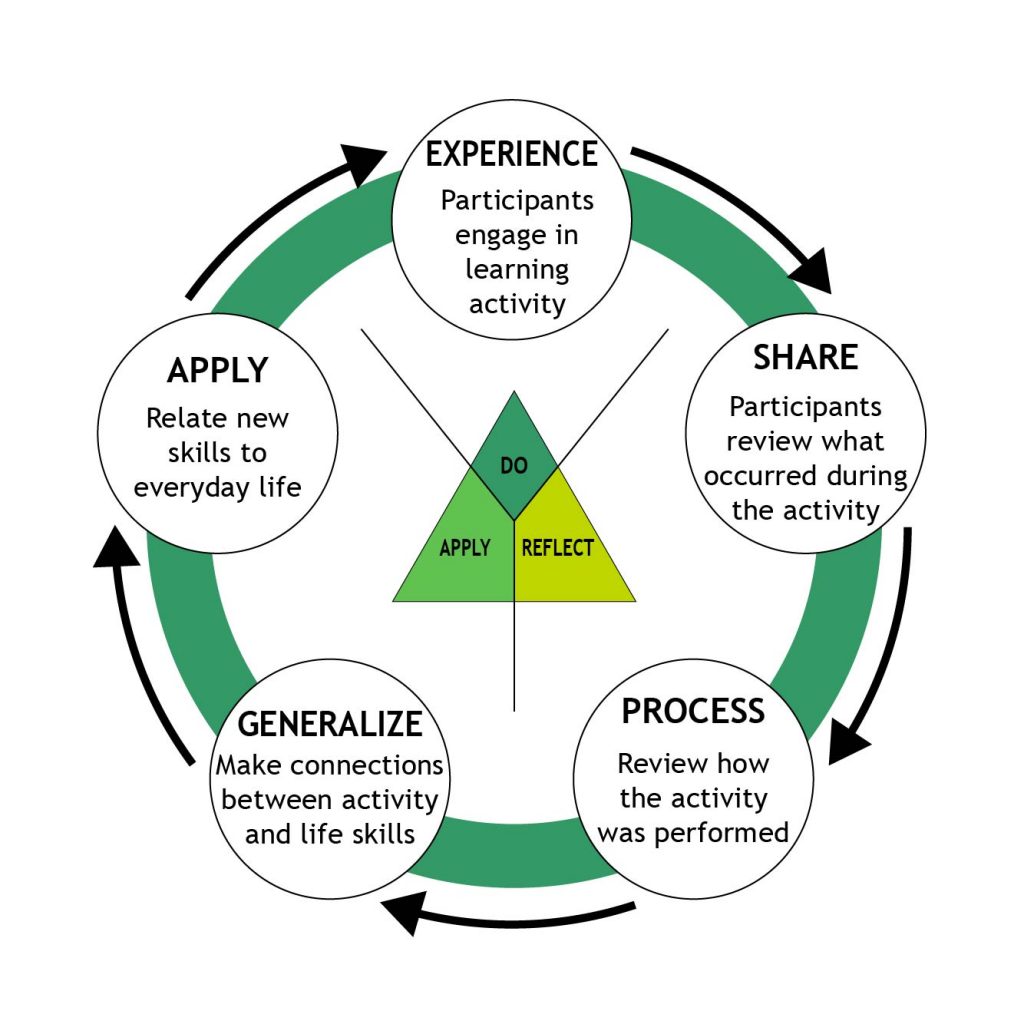
Experiential Learning: A Journey Beyond the Classroom
Traditional education has long been associated with textbooks, lectures, and standardized testing. However, over the years, there has been a growing realization that this approach may not be sufficient in preparing students for the real world. As a result, alternative forms of education have emerged, placing emphasis on experiential learning – an immersive and hands-on approach that engages learners in real-life experiences to foster deep understanding and personal growth.
What is Experiential Learning?
Experiential learning can be defined as a process where knowledge is acquired through direct engagement with real-world situations or activities. It goes beyond rote memorization and encourages learners to actively participate in their own education by applying concepts to practical scenarios. By doing so, students gain valuable insight into how theory translates into practice while developing critical thinking skills, problem-solving abilities, and emotional intelligence.
The Role of Alternative Schools
Alternative schools play a crucial role in fostering experiential learning environments. These institutions focus on providing students with unique educational experiences outside the confines of traditional classrooms. Here are some common features found in alternative schools:
1. Project-Based Learning:
Project-based learning (PBL) is at the core of many alternative schooling models. Students work collaboratively on projects that require them to research, plan, design, create prototypes or solutions for real-world problems. This allows them to apply theoretical knowledge while developing practical skills such as teamwork and time management.
2. Community Engagement:
Alternative schools often prioritize community engagement by encouraging students to interact with local organizations or businesses relevant to their interests or studies. This involvement enables learners to gain firsthand experience of societal challenges and fosters a sense of responsibility towards their communities.
3. Apprenticeships and Internships:
To bridge the gap between classroom knowledge and professional life, alternative schools frequently facilitate apprenticeships or internships within various industries or fields of interest. Through these opportunities, students gain practical experience, networking connections, and a clearer understanding of career paths.
4. Outdoor Education:
Many alternative schools incorporate outdoor education as an integral part of their curriculum. This could involve field trips to nature reserves, science camps, or even longer expeditions where students learn survival skills, environmental conservation, and personal resilience through hands-on experiences in natural settings.
Benefits of Experiential Learning
Experiential learning offers numerous advantages over traditional educational methods:
1. Meaningful Engagement:
By actively participating in their own education, learners become more engaged and motivated. When students can see the direct relevance of what they are learning to real-life situations, they develop a deeper understanding and appreciation for the subject matter.
2. Practical Application:
Experiential learning allows students to apply theoretical knowledge in practical contexts. By solving authentic problems or engaging in real-world scenarios, students acquire valuable skills that go beyond academic achievement – skills such as critical thinking, decision-making, adaptability, and creativity.
3. Emotional Intelligence Development:
Through experiential learning activities requiring collaboration and communication with peers or professionals outside the classroom setting, emotional intelligence is fostered. Students learn how to navigate relationships effectively while developing empathy and cultural sensitivity.
4. Personal Growth:
Experiential learning promotes personal growth by challenging students’ comfort zones and encouraging them to take risks. It cultivates self-confidence as learners discover their strengths and weaknesses through hands-on experiences that require problem-solving and decision-making under uncertain circumstances.
5. Career Readiness:
One significant advantage of experiential learning is its ability to prepare students for future careers effectively. By engaging with industry professionals through internships or apprenticeships offered by alternative schools, learners gain insights into different professions while building relevant networks within their desired fields.
Challenges Faced by Experiential Learning
While experiential learning has numerous benefits for learners, it also presents some challenges:
1. Limited Resources:
Implementing experiential learning requires adequate resources, including funding, access to community partnerships, and infrastructure. Alternative schools may face difficulties in securing these resources, limiting the scope of experiential learning opportunities available to students.
2. Standardized Testing Pressure:
Many educational systems place heavy emphasis on standardized testing as a measure of academic achievement. This focus can impede the integration of experiential learning into traditional curricula since it often falls outside the realm of standardized assessments.
3. Time Constraints:
Experiential learning activities typically require more time than traditional classroom instruction due to their immersive nature. Traditional school schedules that prioritize content delivery within fixed time frames may limit the extent to which experiential learning can be incorporated.
4. Evaluation and Assessment Methods:
Assessing student performance in experiential learning settings can be challenging. Unlike standardized tests that provide clear-cut answers, evaluating skills developed through hands-on experiences requires alternative assessment methods such as portfolios or reflective journals.
Looking Ahead: The Future of Experiential Learning
Despite its challenges, experiential learning is gaining traction as an essential component of education worldwide. As educators recognize the value it brings to students’ holistic development, efforts are being made to integrate this approach into mainstream education systems.
Incorporating elements of experiential learning into traditional classrooms can enrich pedagogy by fostering creativity, critical thinking, and problem-solving skills while enhancing engagement and motivation among learners. Furthermore, advancements in technology offer new possibilities for virtual or augmented reality-based simulations that can provide realistic yet safe environments for students to engage with real-world scenarios.
Conclusion
Experiential learning offers a powerful antidote to passive and detached forms of education by immersing students in authentic experiences where they actively construct knowledge and develop vital life skills beyond academia’s boundaries. Through project-based work, community engagement initiatives, apprenticeships/internships programs, and outdoor expeditions fostered by alternative schools, students emerge as well-rounded individuals with a deep understanding of the world around them. As we move towards an education system that prioritizes experiential learning, we can nurture a generation of learners ready to tackle real-world challenges and contribute meaningfully to society.
 Alternative Amie
Leave a comment