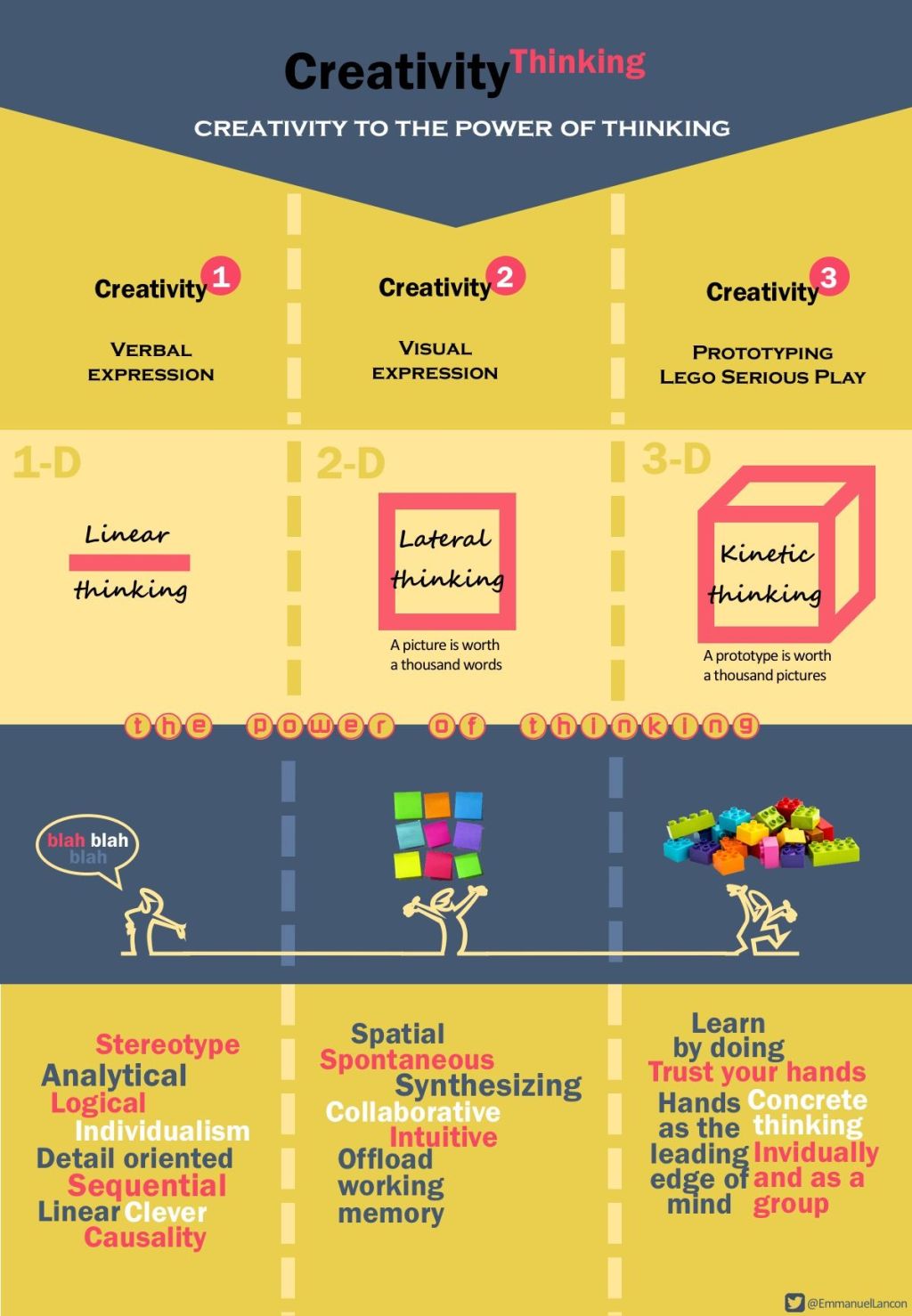
Design thinking is a valuable approach in project-based learning as it encourages students to think critically and creatively, solve problems, and collaborate effectively. By incorporating design thinking into their projects, students are able to develop empathy for the end user or audience, define the problem they are trying to solve, generate ideas, prototype and test their solutions, and iterate based on feedback.
Gamification can enhance project-based learning by adding an element of fun and motivation. By incorporating game mechanics such as points, levels, badges, leaderboards, and challenges into projects, students become more engaged and motivated to complete tasks. Gamification also allows for immediate feedback which helps students track their progress and identify areas for improvement.
Authentic assessment methods are essential in project-based learning as they allow students to demonstrate their understanding of concepts through real-world applications. Instead of relying solely on traditional tests or exams, authentic assessments can include presentations, exhibitions or showcases of student work, portfolios that showcase growth over time, self-reflections or peer evaluations.
Project-based learning also provides opportunities for social-emotional development. Through collaboration with peers on meaningful projects that have real-world impact or relevance to personal interests and goals; students learn skills such as teamwork communication conflict resolution resilience empathy.
Integrating technology into project-based learning enhances student engagement and allows them to explore new tools for research data analysis presentation creation communication collaboration. Technology can provide access to resources beyond what is available in the classroom connect students with experts in various fields facilitate virtual collaborations across locations promote creativity through digital media creation.
Culturally responsive project-based learning recognizes values incorporates diverse perspectives experiences cultures into the curriculum instructional practices ensuring that all learners feel represented included empowered. This helps foster a sense of belonging respect appreciation cultural awareness among students promoting equity within educational settings.
In STEAM education (science technology engineering arts mathematics), project-based learning enables interdisciplinary connections between these subjects fostering critical thinking problem-solving creativity innovation while encouraging hands-on experiential exploration in real-world contexts. Students can engage with complex problems develop solutions using a combination of skills and knowledge from different disciplines.
Inquiry-based projects in alternative schooling allow students to take ownership of their learning by posing questions investigating topics that interest them. This approach promotes curiosity critical thinking problem-solving skills as students explore topics in-depth, conducting research, analyzing data, and presenting their findings.
Project-based learning for environmental sustainability allows students to explore the interconnectedness between human actions and the natural world. By engaging in projects that address issues such as climate change, pollution, or conservation; students develop an understanding of ecological principles and are empowered to take action towards a more sustainable future.
Collaborative projects in alternative education settings foster teamwork communication problem-solving skills as students work together on shared goals. These projects can involve interdisciplinary collaborations across grade levels or even involve community members who contribute their expertise or resources.
Project management skills are developed through project-based learning as students learn how to plan organize execute monitor evaluate projects effectively efficiently. These skills include goal setting time management task delegation resource allocation risk assessment adaptability.
Project-based learning also helps prepare students for career exploration readiness by providing opportunities to apply academic knowledge employability skills workplace scenarios situations fostering career awareness self-reflection decision-making planning networking professional communication presentation portfolio development interviewing experience.
Community partnerships play an important role in project-based learning by connecting classrooms with local organizations businesses experts community leaders who can provide authentic experiences resources support guidance mentorship feedback. Such partnerships help bridge the gap between classroom learning real-world applications promoting civic engagement service-learning cultural exchange collaboration.
Personalized learning through projects allows for differentiation based on individual student interests abilities needs preferences fostering intrinsic motivation active engagement self-directed meaningful purposeful relevant personalized educational experiences tailored accordingly supporting diverse learners’ strengths weaknesses unique qualities ensuring inclusivity accessibility equity.
Differentiating instruction is essential in project-based learning to meet the diverse needs of all learners. Teachers can provide multiple entry points options scaffolding support materials resources flexible pacing assessments accommodations modifications ensure that each student is challenged appropriately and has an opportunity to succeed.
Project-based learning can be adapted to meet the needs of students with special needs by providing additional supports accommodations modifications such as assistive technology visual aids simplified instructions individualized goals differentiated assessment strategies collaborative partnerships with specialists or service providers.
Global perspectives in project-based learning expose students to diverse worldviews cultures global issues fostering empathy cultural awareness understanding developing skills necessary for active informed engaged global citizens. This includes exploring topics through cross-cultural collaborations research connecting with international communities organizations using digital technologies virtual exchanges.
Service-learning projects in alternative education allow students to apply their knowledge and skills towards addressing community needs. By engaging in meaningful service activities, students develop a sense of civic responsibility, empathy, and an understanding of social justice issues while making a positive impact on their local communities.
Outdoor and experiential projects in alternative schooling provide opportunities for hands-on learning outdoor exploration environmental stewardship physical activity creativity problem-solving critical thinking teamwork enhancing engagement connection with nature promoting holistic development well-being.
Cross-curricular integration in project-based learning allows for connections between different subject areas facilitating a more holistic and interconnected understanding of concepts. By integrating multiple disciplines into projects, students are able to make connections across content areas, deepen their understanding, and apply knowledge in real-world contexts.
 Alternative Amie
Leave a comment