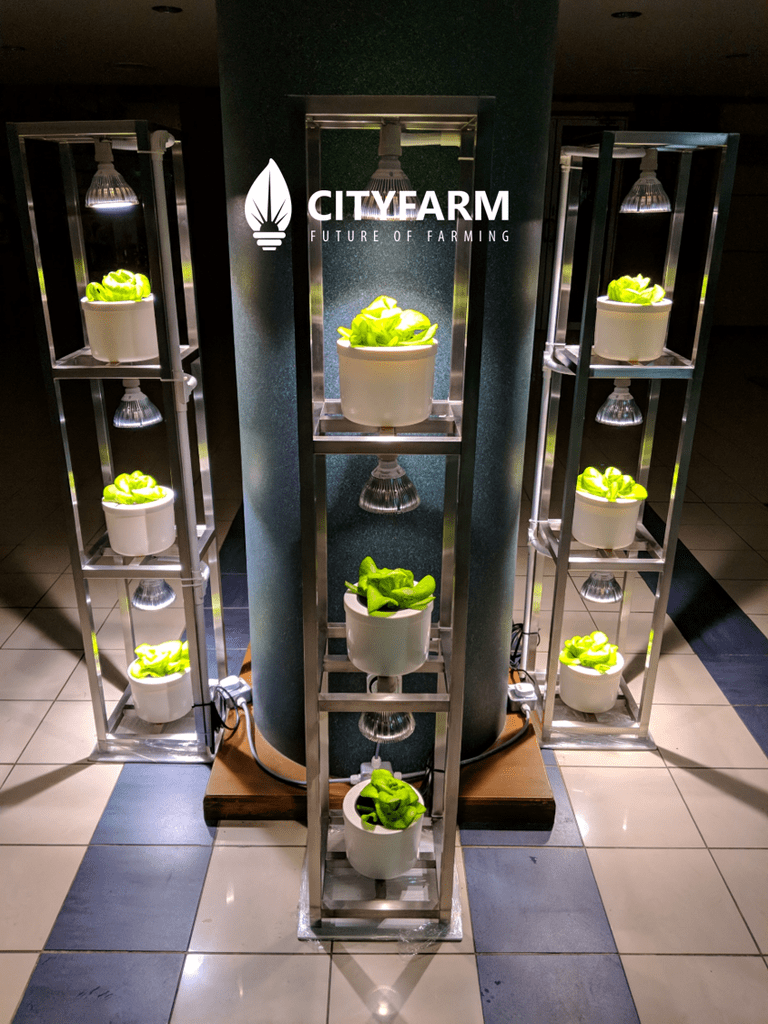
Urban Farming Projects: Cultivating a Sustainable Future
Introduction:
In recent years, there has been a growing movement towards sustainable living and environmental consciousness. One of the most significant developments in this regard is the rise of urban farming projects. These initiatives aim to transform vacant lots, rooftops, and even indoor spaces into productive gardens that produce fresh food for local communities. In addition to providing nutritious food, these projects also offer numerous educational opportunities for children and adults alike. This article will explore some inspiring urban farming projects around the world that are making a positive impact on both individuals and their surrounding environments.
1. The Brooklyn Grange Rooftop Farms (New York City, USA):
Located atop industrial buildings in Brooklyn and Queens, the Brooklyn Grange Rooftop Farms are pioneers in urban agriculture. Spanning over two acres combined, these farms grow an impressive variety of organic vegetables, herbs, flowers, and honeybees. Apart from supplying local restaurants with fresh produce through their CSA (Community Supported Agriculture) program, they also host workshops on topics such as composting techniques and rooftop gardening. Moreover, they collaborate with schools to provide experiential learning opportunities for students by offering farm tours and engaging them in hands-on activities.
2. The Growing Experience Urban Farm (Long Beach City, California):
The Growing Experience Urban Farm serves as an oasis amidst concrete jungles where community members can reconnect with nature while gaining valuable agricultural knowledge. Developed on formerly vacant land spanning seven acres within Long Beach City’s Carmelitos Public Housing Development area – considered a food desert – this farm aims to combat food insecurity by providing fresh produce to residents at affordable prices or free of charge through weekly markets during harvest seasons. Furthermore, it offers a youth employment program where teenagers learn about sustainable agriculture practices while developing leadership skills.
3. Lufa Farms (Montreal & Boston):
Lufa Farms pioneered the concept of commercial rooftop greenhouses by transforming unused rooftops into productive spaces for growing vegetables. With two locations – one in Montreal and the other in Boston – Lufa Farms has created a model that significantly reduces food miles, minimizing transportation costs and carbon emissions associated with traditional farming methods. By employing hydroponic systems, which use 90% less water than conventional agriculture, they are able to grow a wide range of fresh produce year-round. Customers can order online and have their groceries delivered directly from the farm to their doorstep.
4. The Rooftop Republic (Hong Kong):
Hong Kong is notorious for its limited land availability, making urban farming particularly challenging. However, The Rooftop Republic has found innovative solutions to overcome this obstacle by transforming rooftops into flourishing gardens across the city. Through collaborations with schools and corporations, they provide training programs on organic farming techniques and sustainable living practices. Their mission is not only to promote local food production but also to create vibrant green spaces where people can connect with nature amidst the dense urban environment.
5. The Vertical Farm at Paignton Zoo (Devon, UK):
The Vertical Farm at Paignton Zoo takes urban agriculture to new heights by utilizing vertical space within a controlled environment. This innovative project aims to address issues such as climate change and biodiversity loss while promoting sustainable food production methods through hydroponics and aeroponics systems. By involving visitors in educational activities like seed planting or harvesting sessions, the zoo fosters awareness about global environmental challenges while inspiring individuals to make positive changes in their own lives.
Conclusion:
Urban farming projects offer a beacon of hope amidst ecological concerns and increasing demands on our planet’s resources. They demonstrate that even within concrete jungles, it is possible to cultivate sustainable ecosystems that benefit both humans and the environment alike. From rooftop farms redefining city skylines to community initiatives tackling food insecurity head-on – these projects pave the way for a future where nutritious food is accessible for all, regardless of location or socioeconomic status. By fostering a connection to nature and promoting sustainable practices, urban farming projects empower individuals to become active participants in shaping a greener and more resilient future.
 Alternative Amie
Leave a comment