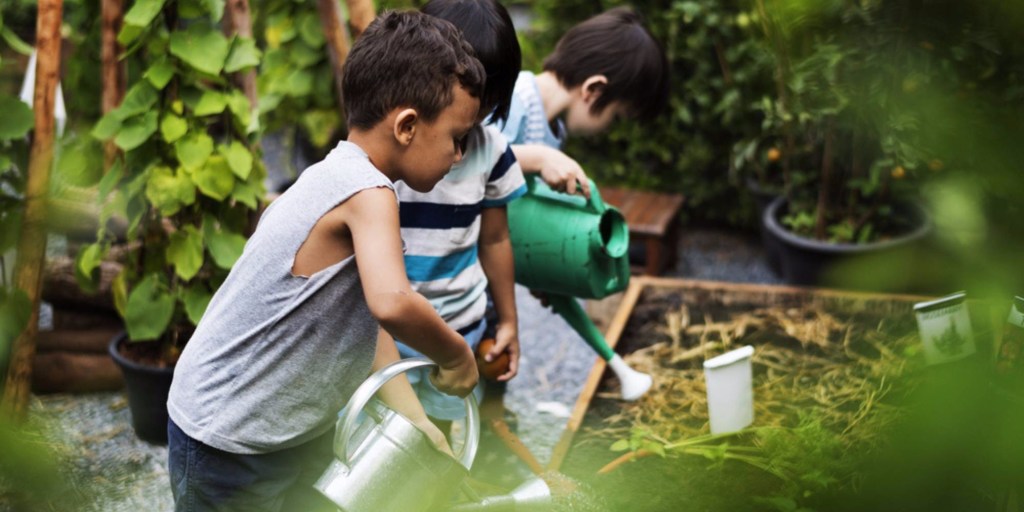
Nature-based learning environments have gained popularity in recent years as an alternative approach to education. These environments provide children with opportunities to learn, explore, and connect with nature while fostering their overall development. Here are 15 nature-based learning environments that offer unique educational experiences for children.
1. Forest Schools: Forest schools are outdoor programs that take place in natural settings like forests or woodlands. Children engage in hands-on activities such as building shelters, identifying plants and animals, and practicing fire safety skills. Forest schools promote independence, resilience, and creativity among participants.
2. Nature Preschools: Nature preschools integrate nature into early childhood education by providing a curriculum centered around the outdoors. These programs often incorporate gardening, hiking, and storytelling to stimulate curiosity and foster a love for the natural world at an early age.
3. Outdoor Classrooms: Outdoor classrooms are designed to bring traditional classroom subjects outside of four walls and into a natural setting. Teachers use the environment as a teaching tool, allowing students to explore scientific concepts through observation and experimentation.
4. Botanic Gardens: Botanic gardens provide excellent opportunities for children to learn about diverse plant species from around the world while immersing themselves in beautiful surroundings. Many botanic gardens offer educational programs specifically tailored for young learners.
5. Wildlife Reserves: Wildlife reserves serve as living laboratories where children can observe animals in their natural habitats firsthand while gaining knowledge about biodiversity conservation efforts.
6. Farm Schools: Farm schools combine agricultural education with standard academic subjects such as math and science. Students participate in farming activities like planting crops, caring for livestock, and harvesting produce while developing practical life skills along the way.
7. Marine Science Centers: Marine science centers offer interactive exhibits that allow children to learn about underwater ecosystems through hands-on exploration of marine life specimens like shells or coral reefs.
8.Environmental Education Centers: Environmental education centers focus on promoting environmental awareness among students through various activities including guided hikes, wildlife tracking, and nature-based crafts. These centers often collaborate with schools to provide field trips and educational workshops.
9. Nature Camps: Nature camps offer residential or day programs that expose children to outdoor adventures like hiking, kayaking, or camping. These hands-on experiences encourage personal growth, team building, and problem-solving skills.
10. Sustainable Living Communities: Sustainable living communities are intentional communities that prioritize environmentally friendly practices such as organic farming and renewable energy sources. Children growing up in these communities learn about sustainable living from an early age through practical experience.
11. Outdoor Adventure Schools: Outdoor adventure schools focus on teaching wilderness survival skills such as navigation, fire making, and first aid while engaging students in thrilling activities like rock climbing or white-water rafting.
12. Environmental Science Institutes: Environmental science institutes provide comprehensive programs for older students interested in pursuing careers related to environmental conservation or research. These institutes often have partnerships with universities and offer hands-on learning experiences through internships or research projects.
13. National Parks: National parks serve as natural classrooms where children can explore diverse ecosystems firsthand while participating in ranger-led educational programs focusing on topics such as geology, ecology, or history of the park.
14.Wilderness Therapy Programs: Wilderness therapy programs combine therapeutic interventions with outdoor activities to support emotional growth and personal development among participants facing behavioral challenges or mental health issues.
15.Beach Schools: Beach schools take advantage of coastal environments to teach children about marine life conservation efforts while providing opportunities for swimming, beachcombing, surfing lessons, and other water-related activities.
Nature-based learning environments offer a refreshing alternative to traditional classroom settings by allowing children to connect with the natural world while acquiring knowledge across various subjects. Whether it’s exploring forests at a forest school or studying marine life at a beach school—these 15 environments foster curiosity, creativity, resilience,and environmental stewardship among young learners
 Alternative Amie
Leave a comment