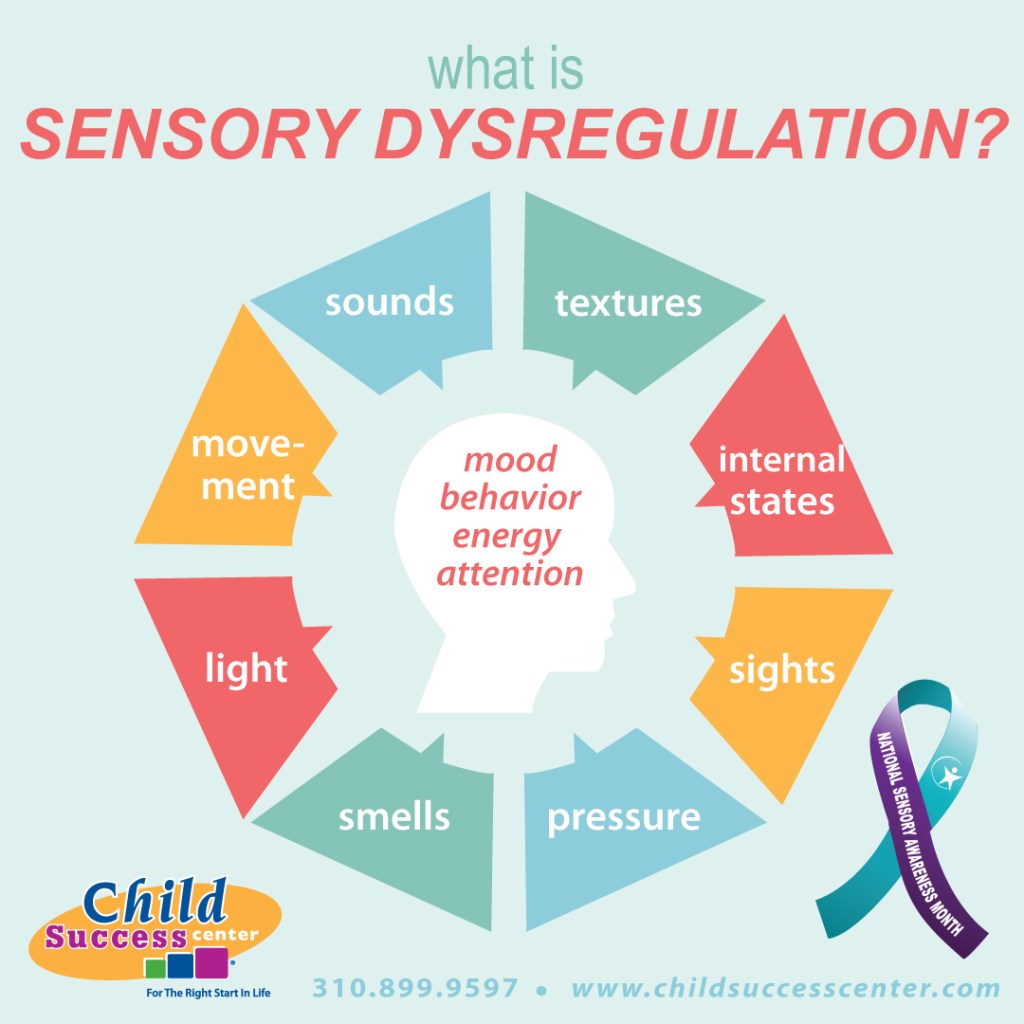
Sensory processing disorder (SPD) is a condition that affects how the brain processes and responds to sensory information from the environment. Individuals with SPD may have difficulties with one or more senses, such as touch, taste, smell, sight, and hearing. This can affect their ability to function in daily life tasks and participate fully in educational settings. In this article, we will explore what SPD is, its symptoms, how it impacts education, and alternative schooling options for children with sensory processing disorder.
1. Understanding Sensory Processing Disorder:
SPD occurs when there are challenges in the way the nervous system receives and interprets sensory signals. Children with SPD may be overly sensitive (hypersensitive) or under-responsive (hyposensitive) to certain stimuli. For example, they might become overwhelmed by loud noises or avoid touching certain textures.
2. Common Symptoms of SPD:
The symptoms of SPD can vary greatly from person to person. Some common signs include:
– Overreacting or being easily overwhelmed by sensory input.
– Seeking out intense sensory experiences.
– Difficulty focusing due to distractions caused by sensory stimuli.
– Avoidance of certain activities or environments due to sensitivities.
– Poor coordination skills.
– Delayed speech and language development.
3. Impact on Education:
SPD can significantly impact a child’s ability to learn effectively in traditional educational settings. The overwhelming sensations experienced by individuals with SPD can make it challenging for them to concentrate on classroom activities and follow instructions.
4. Alternative Schooling Options:
Many parents opt for alternative schooling options that provide a supportive environment tailored specifically for children with sensory processing disorder. Here are some examples:
a) Montessori Schools: Montessori schools offer individualized learning programs focused on hands-on activities and self-directed learning. They emphasize multi-sensory experiences that encourage exploration at each child’s own pace.
b) Waldorf Schools: Waldorf education focuses on nurturing creativity through arts, movement, and nature-based activities. The curriculum integrates sensory experiences to engage children in holistic learning.
c) Reggio Emilia Approach: This approach emphasizes project-based learning where children actively participate in designing their own educational experiences. It promotes exploration and hands-on activities to enhance sensory integration.
d) Sensory Integration Schools: Some schools specifically cater to students with SPD by providing specialized programs that focus on sensory integration techniques. These schools have trained professionals who understand the unique needs of children with SPD and incorporate various therapeutic interventions into the curriculum.
e) Homeschooling: Homeschooling allows parents to tailor education according to their child’s specific needs. They can create a sensory-friendly learning environment free from overwhelming stimuli and develop individualized lesson plans.
5. Strategies for Supporting Children with SPD:
Regardless of the chosen schooling option, there are strategies that can help support children with SPD in an educational setting:
– Provide a predictable routine and structure.
– Create a quiet space for breaks or relaxation.
– Use visual aids such as schedules or charts.
– Incorporate movement breaks throughout the day.
– Offer alternative seating options (e.g., stability balls or wiggle cushions).
– Reduce auditory distractions when possible.
– Communicate openly with teachers about your child’s needs.
6. Collaboration between Parents, Educators, and Therapists:
Successful education of children with SPD requires collaboration between parents, educators, and therapists. Regular communication is crucial to ensure that strategies used at home are reinforced at school, providing consistency for the child’s development.
In conclusion, Sensory Processing Disorder can present significant challenges for individuals in traditional educational settings. Alternative schooling options provide tailored environments that accommodate the unique needs of these students through multi-sensory approaches and specialized interventions. By understanding SPD symptoms and implementing appropriate strategies, we can create inclusive spaces where every child can thrive academically and socially
 Alternative Amie
Leave a comment