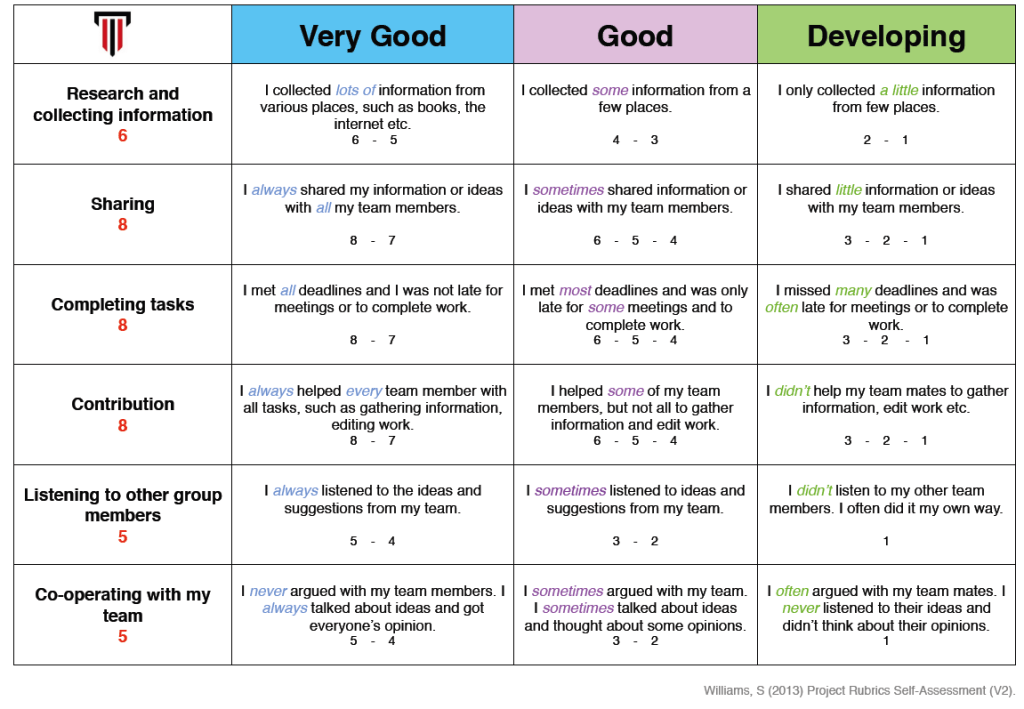
Self-assessment is a powerful tool that can greatly impact the quality of peer assessments in alternative schooling and education environments. When students engage in self-assessment, they become more aware of their own strengths and weaknesses, allowing them to provide more accurate and constructive feedback to their peers.
One of the key benefits of self-assessment is its ability to promote metacognition. By reflecting on their own learning process and outcomes, students gain a deeper understanding of what they have learned and how they have achieved it. This introspection enables them to recognize areas where they may need improvement or further development. As a result, when providing feedback to their peers, these self-aware students are better equipped to identify specific areas for growth and offer meaningful suggestions for improvement.
Furthermore, engaging in self-assessment encourages students to take ownership of their learning journey. It empowers them with agency by giving them an active role in evaluating their progress. This sense of responsibility translates into more thoughtful peer assessments as students understand the importance of offering valuable insights that will help their classmates advance academically.
Another advantage of self-assessment is its potential to enhance critical thinking skills among students. Through self-reflection, individuals learn how to evaluate the quality and effectiveness of their work objectively. They develop the ability to analyze different perspectives, identify strengths and weaknesses, and make informed judgments about their performance. As a result, when assessing their peers’ work later on, these students are better equipped with analytical skills that contribute towards more accurate evaluations.
It is worth noting that incorporating self-assessment into alternative schooling settings requires clear guidelines and training for students on how to effectively assess themselves. Educators should provide rubrics or frameworks that outline expectations for evaluation criteria while encouraging open-ended questions that prompt deep reflection.
In conclusion, by promoting metacognition, fostering ownership over learning journeys, enhancing critical thinking skills through objective evaluation practices – implementing self-assessment can significantly improve the quality of peer assessments in alternative schooling and education. It encourages students to develop a deeper understanding of their own learning process, enabling them to provide more constructive feedback to their peers.
 Alternative Amie
Leave a comment