Introduction:
Gifted education is an important aspect of alternative schooling and education, catering to the unique learning needs of intellectually advanced students. In this article, we will explore various topics related to gifted education, including the social and emotional needs of gifted learners, differentiated instruction strategies for these students, underrepresentation in gifted programs, policies and legislation surrounding gifted education, technology’s role in supporting gifted learners, parent involvement in their child’s education, identification and assessment methods for giftedness, talent development approaches, collaboration between regular and gifted education teachers, transitioning from a traditional classroom to a gifted program, individualized education plans (IEPs) for gifted learners, socioeconomic factors affecting access to such programs, peer relationships among the academically talented students as well as dual enrollment options for advanced learners. Let us delve into each topic with detail.
1. Twice-Exceptional Students:
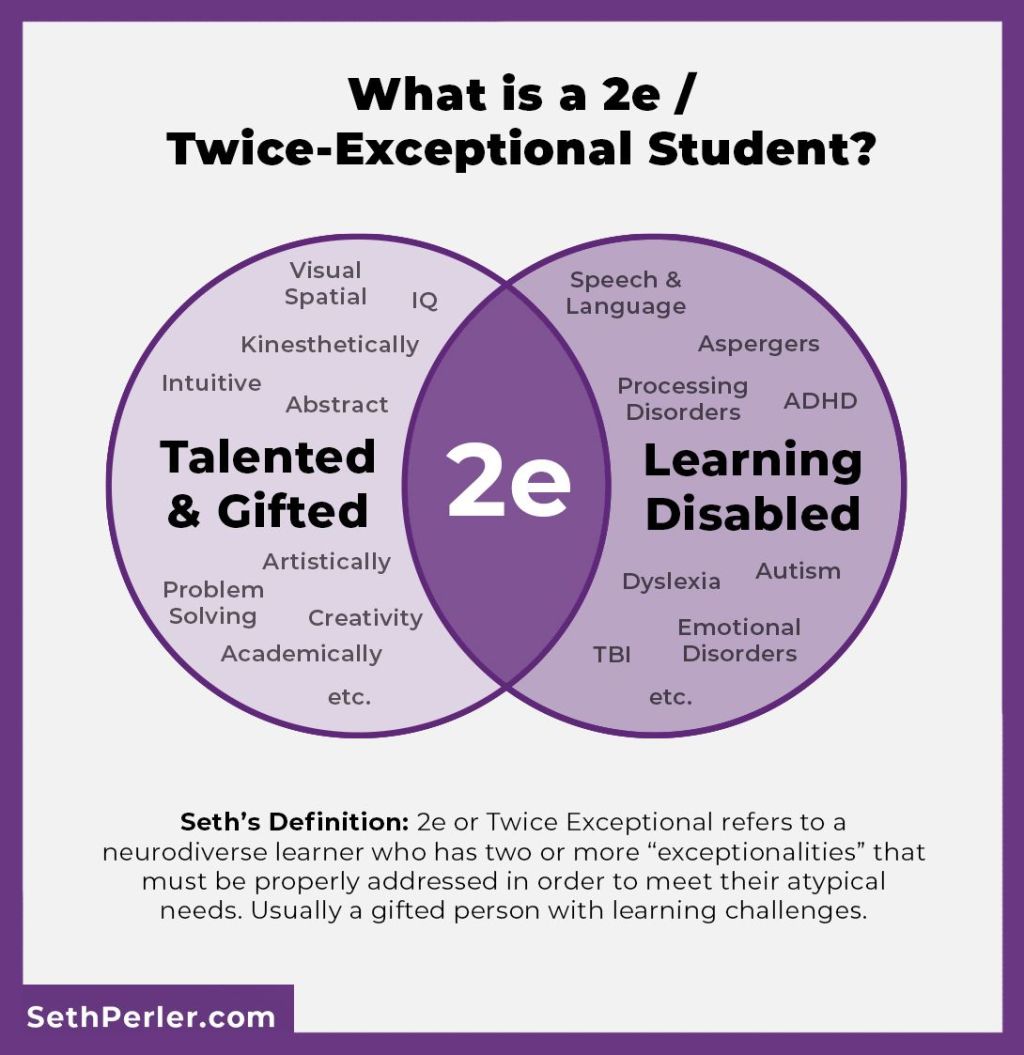
Twice-exceptional (2e) students are individuals who possess both exceptional abilities or talents and disabilities or challenges in one or more areas. These students may be intellectually advanced but also have learning disabilities or ADHD that impact their educational experiences. It is crucial to identify and support 2e students by providing appropriate accommodations that address both their strengths and weaknesses.
2. Social and Emotional Needs of Gifted Learners:
Gifted learners often face unique social and emotional challenges due to factors such as heightened sensitivity or asynchronous development compared to their peers. They may struggle with perfectionism or feelings of isolation if they do not find like-minded individuals who share similar interests or intellectual abilities. Educators must create a nurturing environment that acknowledges these needs through targeted interventions like counseling services or specialized social-emotional curriculum.
3. Differentiated Instruction for Gifted Students:
Differentiated instruction is an essential approach when teaching gifted students because it tailors content delivery based on individual readiness levels while challenging them appropriately. This method allows educators to provide acceleration opportunities through compacting curriculum or enrichment activities that extend their knowledge and skills beyond the grade-level standards.
4. Creativity and Innovation in Gifted Education:
Gifted education should not be limited to traditional academic subjects but also encompass creative and innovative pursuits. Encouraging divergent thinking, problem-solving skills, and nurturing creativity is vital for fostering the unique talents of gifted students. Educators can incorporate project-based learning, design thinking approaches, or arts integration to enhance these aspects of gifted education.
5. Underrepresentation of Certain Populations in Gifted Programs:
One significant issue in gifted education is the underrepresentation of certain populations, such as students from low-income backgrounds, English language learners (ELLs), or students from diverse cultural backgrounds. This disparity may arise due to biased identification practices or lack of access to enrichment programs outside school hours. Efforts must be made to identify and support talented individuals from all backgrounds through culturally responsive teaching practices and equitable opportunities.
6. Gifted Education Policies and Legislation:
Gifted education policies vary across countries and regions, with some having dedicated legislation supporting the needs of intellectually advanced students while others lack specific guidelines or funding. It is important for policymakers to recognize the importance of providing adequate resources, professional development opportunities for educators working with gifted learners, and inclusive policies that address equity issues within these programs.
7. The Role of Technology in Supporting Gifted Learners:
Technology plays a crucial role in supporting gifted learners by offering personalized learning experiences tailored to their abilities and interests. Online platforms provide access to advanced coursework, virtual mentorship programs, collaborative projects with peers worldwide, or adaptive learning tools that can cater specifically to each student’s needs.
8. Gifted Education Programs in Rural Areas:
Accessing adequate gifted education services can be particularly challenging for students living in rural areas due to limited resources or specialized personnel available locally. To bridge this gap, schools can leverage technology through virtual classrooms or partnerships with neighboring districts/universities that offer specialized programming for rural communities.
9. Culturally Responsive Teaching for Gifted Students:
Culturally responsive teaching is essential in gifted education to ensure equitable access and appropriate identification of talent across diverse populations. Educators must recognize and value the cultural backgrounds, experiences, and talents of their students when designing curriculum, assessments, and instructional strategies.
10. Parent Involvement in Gifted Education:
Parents play a critical role in supporting their gifted children’s educational journey by advocating for appropriate services at school, seeking enrichment opportunities outside the classroom, or fostering a stimulating home environment. Collaboration between parents and educators through regular communication channels can enhance student outcomes.
11. Identification and Assessment of Giftedness:
The process of identifying gifted students varies from one district or country to another but typically involves multiple measures such as IQ tests, achievement tests, teacher nominations, portfolios of work samples, or observations. It is important to use comprehensive assessment methods that consider both cognitive abilities and creativity while avoiding biases based on race/ethnicity or socioeconomic status.
12. Talent Development and Nurturing Potential:
Gifted education should focus not only on meeting current academic needs but also nurturing long-term potential by providing opportunities for talent development within various domains such as STEM fields, arts/music/drama programs, entrepreneurship initiatives or leadership development activities.
13. Collaboration between Regular and Gifted Education Teachers:
Collaboration between regular classroom teachers and those specializing in gifted education is crucial for ensuring continuity in instruction as well as addressing the unique needs of advanced learners who may spend part of their day in general education settings. Joint planning sessions can facilitate differentiation strategies while promoting effective communication among educators working with these students.
14.Transitioning from a Traditional Classroom to a Gifted Program:
Transitioning from a traditional classroom setting into a specialized gifted program can be an exciting yet challenging experience for both students and parents. Schools should provide orientation sessions that address expectations, social-emotional support during this period of adjustment while offering opportunities for gifted students to connect with their peers and engage in intellectually stimulating activities.
15. Individualized Education Plans (IEPs) for Gifted Learners:
Similar to students with disabilities, gifted learners can benefit from individualized education plans (IEPs) that outline specific goals, accommodations, and enrichment opportunities tailored to their unique needs. IEPs should include provisions for acceleration, differentiation strategies within the general curriculum as well as access to specialized resources or mentorship programs.
16. The Impact of Socioeconomic Status on Access to Gifted Programs:
Socioeconomic status can significantly impact access to gifted education services. Students from low-income backgrounds may face barriers such as limited exposure to enrichment activities outside school or lack of awareness regarding available opportunities. Schools need to actively address these disparities by providing outreach programs, scholarship options for extracurricular programs or funding transportation when necessary.
17. Peer Relationships and Socialization among Gifted Students:
Building positive peer relationships is crucial for the social-emotional development of gifted students who may sometimes feel isolated due to differences in abilities or interests compared to their same-age peers. Schools should offer clubs, interest-based groups, or talent-specific classes that bring together like-minded individuals who can connect and form supportive friendships within a nurturing environment.
18. Dual Enrollment Options for Advanced Learners:
Dual enrollment programs allow advanced learners in high school (gifted or not) an opportunity to enroll in college-level courses while still completing secondary education requirements simultaneously. These programs provide academic rigor beyond traditional high school offerings and enable students to earn college credits early on.
19.Gifted Education Models Around the World:
Gifted education models vary across countries depending on cultural values, educational philosophies, and government policies. Some countries have dedicated schools exclusively catering to academically talented students while others integrate them into regular classrooms with differentiated instruction practices at various levels.
20.Addressing Perfectionism and High Expectations in Gifted Students:
Gifted students often experience high expectations, both from themselves and others, which can lead to feelings of anxiety or perfectionism. Educators must provide a supportive environment that encourages risk-taking, emphasizes the learning process rather than outcome, and teaches coping strategies for managing stress associated with giftedness.
Conclusion:
Gifted education encompasses various aspects ranging from recognizing the unique needs of twice-exceptional learners to addressing social-emotional well-being, implementing differentiated instruction strategies, promoting creativity and innovation, ensuring equitable access through policies and legislation while leveraging technology. Collaboration between stakeholders like parents and teachers is crucial in nurturing talent across diverse populations. By understanding these topics in detail, education systems can work towards creating inclusive environments that cater effectively to the cognitive abilities and potential of gifted learners.
 Alternative Amie
Leave a comment