Outdoor Education: A Guide to Alternative Learning
Introduction:
In recent years, there has been a growing interest in alternative forms of education that go beyond the traditional classroom setting. One such approach is outdoor education, which emphasizes learning through experiences in natural environments. This article aims to provide a comprehensive guide to outdoor education, answering frequently asked questions and shedding light on its benefits and effectiveness.
What is Outdoor Education?
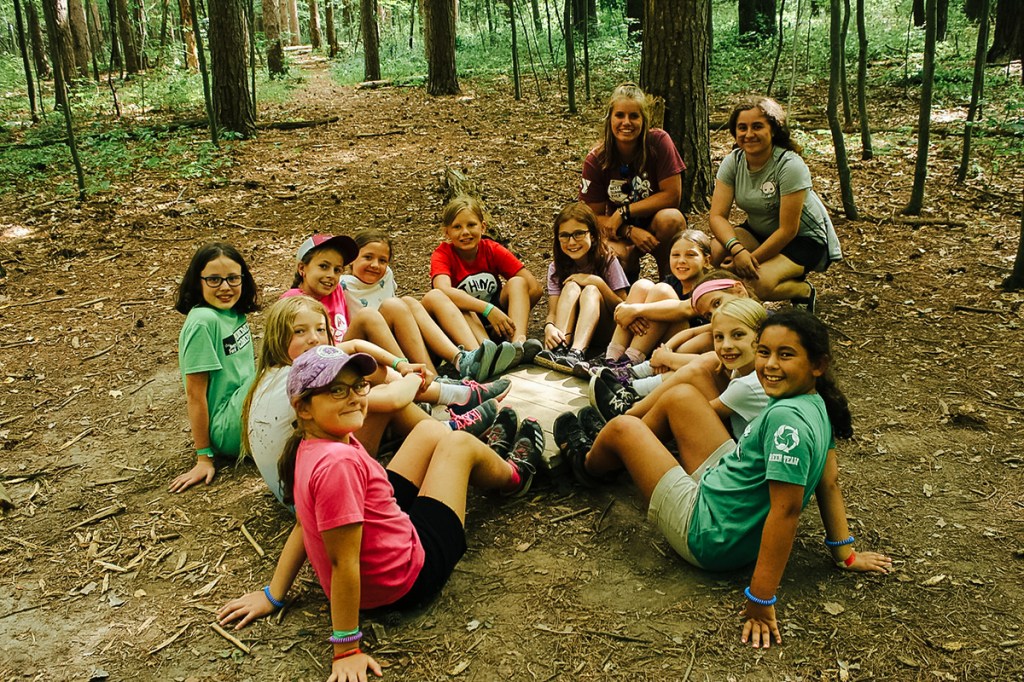
Outdoor education can be defined as an educational approach that takes place primarily or entirely outside of conventional classrooms. It utilizes natural settings, such as forests, mountains, rivers, and open spaces, as well as built outdoor environments like ropes courses or adventure parks. The focus is on experiential learning where students actively engage with nature while acquiring knowledge and developing skills.
How Does Outdoor Education Work?
Outdoor education employs various methods to facilitate learning in natural settings. These may include field trips to national parks or wildlife reserves, camping expeditions where participants learn survival skills and explore their surroundings, teamwork activities like rock climbing or canoeing that encourage collaboration and trust-building among peers, environmental conservation projects that instill a sense of responsibility towards nature’s preservation—the possibilities are endless!
Benefits of Outdoor Education:
1. Holistic Development: Outdoor education promotes holistic development by nurturing physical fitness, emotional well-being, social skills development, intellectual growth, and spiritual connection with nature.
2. Improved Academic Performance: Studies have shown that exposure to nature enhances cognitive abilities such as problem-solving skills and critical thinking. Students who participate in outdoor education often exhibit improved academic performance across various subjects.
3. Environmental Awareness: By immersing themselves in natural environments firsthand, students develop a deeper understanding of ecosystems’ complexity and fragility. This fosters environmental awareness and encourages sustainable practices in future generations.
4. Health Benefits: Spending time outdoors positively impacts mental health by reducing stress levels and enhancing mood stability. Physical activities associated with outdoor education contribute to increased fitness levels among participants.
5. Enhanced Social Skills: Outdoor education programs often involve teamwork, cooperation, and effective communication among participants. These experiences help students develop vital social skills such as leadership, empathy, and conflict resolution.
6. Personal Growth: Outdoor education challenges individuals to step outside their comfort zones, fostering personal growth by building resilience, self-confidence, and a sense of adventure.
7. Cultural Appreciation: Exploring diverse natural environments exposes students to different cultures and traditions associated with those regions. This promotes cultural appreciation and understanding.
8. Environmental Stewardship: Through outdoor education initiatives focused on conservation projects or sustainability practices like Leave No Trace principles, students learn the significance of responsible environmental stewardship.
9. Increased Connection with Nature: In an era dominated by technology, outdoor education offers a valuable opportunity for young people to reconnect with nature in meaningful ways. This connection can cultivate a lifelong love for the outdoors and inspire future generations to protect our planet.
Challenges and Considerations:
Despite its numerous benefits, implementing outdoor education also presents certain challenges:
1. Financial Constraints: Providing outdoor learning experiences often requires funding for transportation costs, equipment purchase or rental fees (e.g., camping gear), and hiring experienced instructors or guides.
2. Safety Concerns: Working in natural environments involves potential risks such as wildlife encounters or weather-related hazards that need careful management through risk assessments and safety protocols.
3. Accessibility Issues: Some communities may lack access to nearby natural areas suitable for outdoor education programs due to geographical limitations or socioeconomic factors. Efforts must be made to ensure inclusivity in providing these opportunities.
4. Curriculum Integration: Integrating outdoor education into existing curricula may require adjustments regarding scheduling conflicts or coordination between teachers from different subject areas.
Conclusion:
Outdoor education is an alternative approach that offers unique learning experiences beyond traditional classrooms’ confines. By immersing students in nature’s wonders while engaging them physically, emotionally, socially, intellectually, and spiritually—it cultivates holistic development, environmental awareness, and personal growth. Although challenges exist, the benefits of outdoor education far outweigh them. As we strive to shape well-rounded individuals ready to face the complexities of our world, incorporating outdoor education into our educational systems becomes increasingly important.
 Alternative Amie
Leave a comment