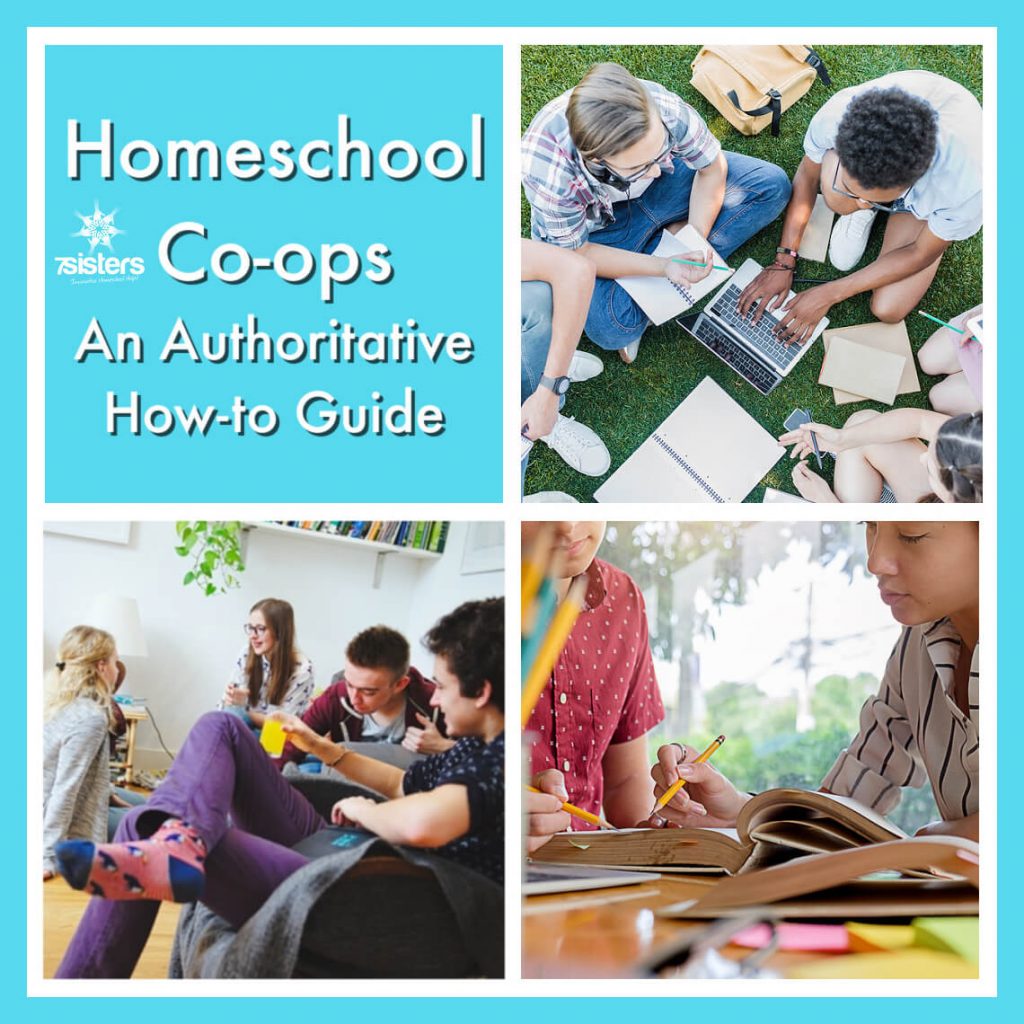
In recent years, homeschooling co-ops have become a popular alternative to traditional education in North America. These co-ops bring together homeschooling families who are seeking to supplement their children’s education through shared resources, expertise, and social interaction. They provide a supportive community for both parents and students alike, offering a unique educational experience that is tailored to the needs and interests of each child.
Homeschooling co-ops can take various forms depending on the preferences and goals of the participating families. Some co-ops meet once or twice a week, while others gather more frequently. The curriculum is often designed collectively by the parents, drawing from different educational philosophies and approaches. This allows for flexibility in teaching methods and encourages creativity in lesson planning.
One of the main benefits of homeschooling co-ops is the opportunity for parents to pool their knowledge and resources. Parents with expertise in specific subjects can teach classes or workshops, ensuring that children receive high-quality instruction in areas where their own parents may have limited experience. This collaborative approach also fosters a sense of community among families, allowing them to support one another on this educational journey.
Another important aspect of homeschooling co-ops is socialization. Contrary to popular belief, homeschooled children are not isolated from their peers; they actively engage with other students through group activities such as field trips, sports teams, art clubs, or music ensembles organized within the co-op structure. These interactions not only provide opportunities for friendships but also cultivate important life skills such as teamwork and cooperation.
Furthermore, homeschooling co-ops offer an environment where individuality is celebrated. Each child has unique strengths and weaknesses that can be addressed through personalized learning plans within these cooperative settings. Co-op members understand that there isn’t a one-size-fits-all approach when it comes to education; instead, they strive to create an inclusive space where diversity is valued.
It’s worth noting that homeschooling co-ops are not exclusive to any particular religious or philosophical group. While some co-ops may have a specific focus, such as incorporating religious teachings into the curriculum, many others are secular in nature, embracing families from various backgrounds and belief systems.
In conclusion, homeschooling co-ops provide an alternative educational model that combines the benefits of homeschooling with the advantages of communal learning. By joining forces, parents can create vibrant educational communities where their children receive individualized instruction while still enjoying socialization opportunities. As interest in alternative schooling continues to grow in North America, these co-ops serve as shining examples of how families can work together to create fulfilling educational experiences for their children.
 Alternative Amie
Leave a comment