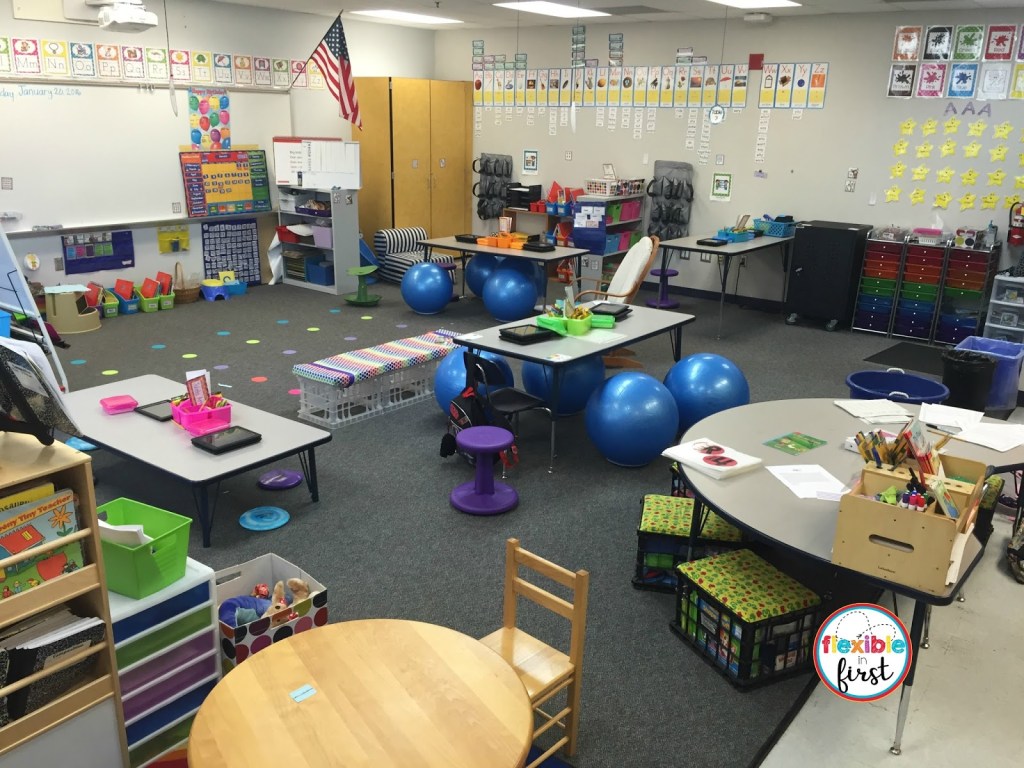
Flexible seating has become a popular trend in schools around the world as educators strive to create inclusive and engaging learning environments. This approach recognizes that students have different learning styles, preferences, and needs, and aims to provide them with choices in how they learn best.
Gone are the days when classrooms were filled with rows of neatly arranged desks facing the front of the room. Today, classrooms are transforming into dynamic spaces where students can move around freely and select seating options that suit their individual needs. From traditional chairs and tables to bean bags, standing desks, yoga balls, couches, and even floor cushions – flexible seating offers a variety of options for students to choose from.
One of the main advantages of flexible seating is that it accommodates different learning styles. Some students may prefer sitting at a desk with proper back support while others might find it more comfortable to sit on an exercise ball or stand at a high table. By providing these various options, teachers enable students to choose what works best for them individually. This not only promotes better concentration but also helps reduce distractions caused by discomfort or restlessness.
Moreover, flexible seating encourages movement throughout the day which has been proven to enhance focus and engagement among learners. Research shows that physical activity increases blood flow to the brain, leading to improved cognitive functioning. When students are given opportunities to move around freely during class time – whether it’s by using wobble stools or taking breaks for stretching exercises – they become more alert and attentive.
Additionally, flexible seating fosters collaboration among peers. Classrooms with traditional fixed furniture often limit interaction between students due to their rigid arrangement. However, when given freedom in choosing their seats, children naturally gravitate towards working together in pairs or small groups based on shared interests or collaborative tasks. This allows them to exchange ideas easily while developing important social skills such as communication and teamwork.
Another significant advantage of flexible seating is its ability to create a sense of ownership within the classroom. When students are given the autonomy to select their seating preferences, they feel a greater sense of belonging and responsibility towards their learning environment. This can lead to increased motivation and accountability as they take pride in maintaining an organized and comfortable space.
Implementing flexible seating in classrooms requires careful planning and consideration. Teachers must ensure that the seating options provided match the age group, developmental needs, and safety requirements of their students. It’s important to have a variety of options available while also considering the limitations of space and resources.
Furthermore, it is crucial for educators to establish clear expectations regarding behavior and responsible use of flexible seating. Students should understand that with choice comes responsibility, and they need to respect both personal boundaries as well as those set by the teacher.
While flexible seating has numerous benefits, it is not without its challenges. One common concern is managing noise levels in a more open classroom arrangement. However, this can be addressed through explicit instruction on appropriate volume levels during different activities or by incorporating sound-absorbing materials into the classroom design.
Another challenge lies in ensuring equal access to preferred seating options among all students. To address this issue, teachers may consider implementing a rotation system or creating designated areas for specific types of seats where students can sign up for time slots.
In conclusion, flexible seating has emerged as an effective approach to accommodate diverse learning styles and preferences within educational settings. By offering choices in seating arrangements, educators empower students to take ownership of their learning experience while promoting collaboration, movement, engagement, and overall well-being. While implementation may require thoughtful planning and management strategies from teachers, the benefits far outweigh any challenges faced along the way. As we continue exploring innovative approaches to education, flexible seating undoubtedly holds immense potential in fostering inclusive classrooms that cater to individual needs while nurturing creativity and active participation among learners.
 Alternative Amie
Leave a comment