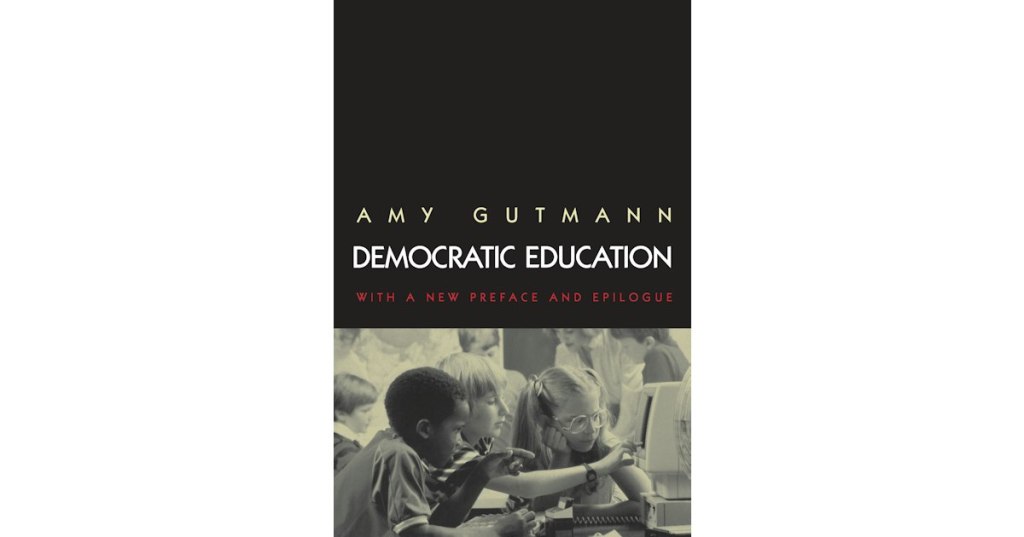
Democratic Curriculum Design: Empowering Students through Choice and Collaboration
In traditional educational settings, curriculum design is often seen as a top-down approach, with predetermined content delivered to students who passively receive it. However, an alternative approach gaining momentum in recent years is democratic curriculum design. This learner-centered model emphasizes student choice and collaboration, empowering them to take an active role in shaping their own education. In this post, we will explore the key principles of democratic curriculum design and its potential benefits for students.
At the heart of democratic curriculum design is the belief that students should have a say in what they learn and how they learn it. Instead of adhering rigidly to prescribed textbooks or standardized materials, teachers using this approach engage students by involving them in decision-making processes regarding topics of study, assessment methods, and even classroom rules. By allowing students to voice their opinions and actively participate in constructing their educational experiences, democratic curriculum design fosters a sense of ownership over learning.
One important aspect of this model is providing ample opportunities for student choice within the framework set by educators. For instance, instead of assigning rigid essay topics or book reports, teachers can present options that align with learning objectives while enabling students to select projects that resonate with their interests and strengths. This personalization not only increases motivation but also encourages critical thinking skills as learners become more invested in exploring subjects they are passionate about.
Moreover, democratic curriculum design places great emphasis on collaborative learning experiences. By creating opportunities for group work or project-based assignments, educators encourage peer-to-peer interaction where ideas are shared and diverse perspectives are valued. Collaborative activities foster social skills such as communication and teamwork while promoting a deeper understanding of subject matter through collective problem-solving.
Another benefit lies in the development of essential life skills that go beyond traditional academic knowledge acquisition. Through democratic practices like consensus building or voting on decisions related to classroom management issues (e.g., seating arrangements), students gain valuable experience participating in democratic processes, which are fundamental to active citizenship. These real-life skills empower students to become confident individuals who can navigate complex social dynamics and contribute meaningfully within their communities.
Critics of democratic curriculum design argue that it may lead to a lack of structure or rigor in the classroom. However, proponents counter that this approach does not imply abandoning academic standards or core content knowledge. Instead, they argue that by providing students with autonomy and fostering intrinsic motivation through choice and collaboration, learners are more likely to engage deeply with the material and develop critical thinking skills necessary for success in college, careers, and beyond.
In conclusion, democratic curriculum design offers an alternative approach to traditional education by prioritizing student agency and collaboration. By involving students in decision-making processes about what they learn and how they learn it, educators create a learning environment where learners take ownership of their education. This learner-centered model not only increases motivation but also promotes essential life skills such as critical thinking, problem-solving, communication, and teamwork. As we continue exploring innovative approaches to education, embracing democratic curriculum design can pave the way for empowering students and preparing them for a rapidly changing world.
 Alternative Amie
Leave a comment