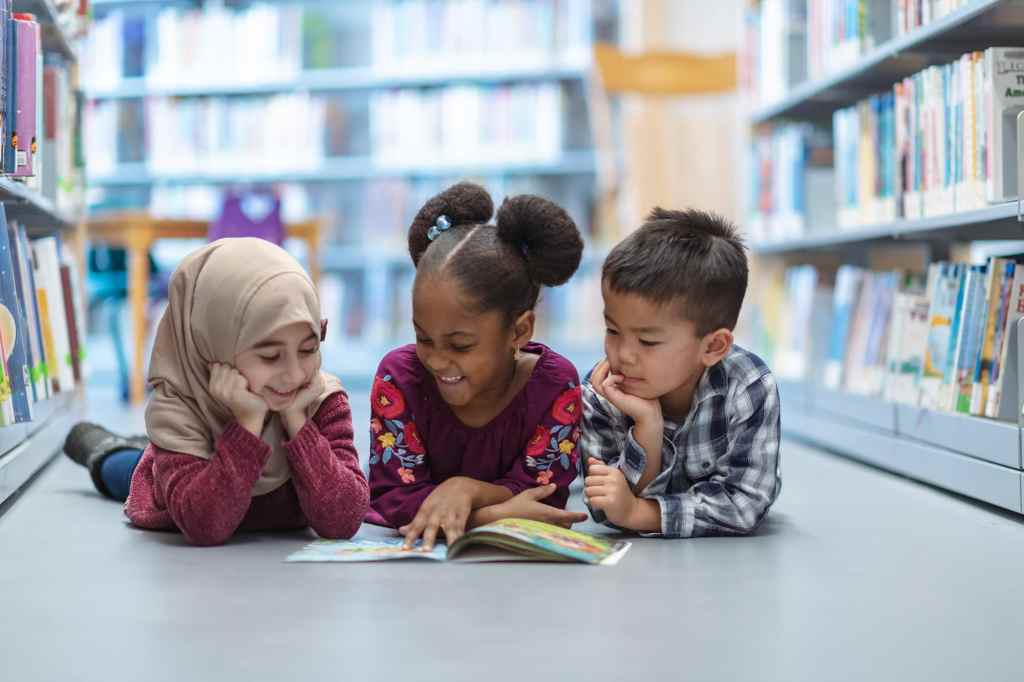
Multicultural Literature in Bilingual Classrooms: Promoting Diversity and Inclusion
Introduction:
In today’s increasingly diverse world, it is crucial for educators to foster an inclusive learning environment that celebrates multiculturalism. One effective way to achieve this is through the use of multicultural literature in bilingual classrooms. Multicultural literature exposes students to a wide range of cultural perspectives, promoting empathy, understanding, and acceptance among learners. This article explores the benefits of incorporating multicultural literature into bilingual classrooms and provides practical suggestions for educators.
Benefits of Multicultural Literature:
1. Promotes Cultural Awareness:
Multicultural literature introduces students to various cultures, traditions, customs, and experiences from around the world. Through these stories, students gain insight into different ways of life and develop a deeper appreciation for cultural diversity. By exploring characters with backgrounds different from their own, students learn to value and respect different cultures.
2. Enhances Language Development:
Bilingual classrooms provide an ideal setting for integrating multicultural literature as students are already exposed to multiple languages. Reading stories written in different languages allows students to expand their vocabulary and improve language skills while simultaneously enriching their understanding of diverse cultures.
3. Fosters Empathy and Understanding:
By reading stories about characters from diverse backgrounds facing various challenges or celebrating important events unique to their culture, students develop empathy towards others’ experiences. They become more open-minded individuals who appreciate differences rather than fear them.
4. Builds Identity & Self-Esteem:
Multicultural literature offers representation for all students within a classroom by showcasing characters with diverse racial/ethnic backgrounds, abilities/disabilities, religions, genders, etc., allowing each student to see themselves reflected positively in books they read. This representation fosters self-esteem among marginalized groups who may otherwise feel underrepresented or invisible.
Tips for Incorporating Multicultural Literature:
1. Diverse Book Selections:
Ensure your classroom library includes books that represent a wide range of cultures accurately and authentically. Seek out books by diverse authors and illustrators to provide a variety of perspectives. Consider involving students in the selection process, allowing them to recommend books that reflect their own cultural backgrounds.
2. Language Integration:
Utilize multicultural literature as a tool for language acquisition in bilingual classrooms. Incorporate stories written in different languages spoken by students within the class, providing opportunities for language practice and cultural exchange among peers.
3. Cross-Curricular Connections:
Integrate multicultural literature into various subjects such as social studies, history, or science to enhance learning across disciplines. Pair these texts with related activities that deepen understanding and encourage critical thinking about global issues.
4. Guest Speakers and Cultural Events:
Invite guest speakers from different cultures to share their experiences or engage in cultural events that align with the themes explored in the literature. This firsthand interaction can significantly enrich students’ learning experience and foster connections between the classroom environment and real-world contexts.
5. Discussions & Reflections:
Encourage open discussions about multicultural literature within the classroom, allowing space for students to ask questions, express opinions, challenge stereotypes, and share personal experiences related to the text being read. These dialogues promote critical thinking skills while developing cultural competence among learners.
Conclusion:
Incorporating multicultural literature into bilingual classrooms is essential for creating inclusive educational environments where diversity is celebrated rather than ignored or misunderstood. By promoting cultural awareness, enhancing language development, fostering empathy and understanding, building identity and self-esteem among all students, educators play a vital role in shaping globally competent individuals who appreciate diversity’s value.
 Alternative Amie
Leave a comment