Waste Reduction and Recycling Initiatives: A Step Towards a Sustainable Future
Introduction:
In recent years, there has been a growing concern about the impact of waste on our environment. As we continue to consume resources at an alarming rate, it is becoming increasingly important to find ways to reduce waste and promote recycling initiatives. Schools are playing a crucial role in shaping the future generations, and alternative schooling and education systems have embraced this responsibility by implementing various waste reduction and recycling programs. In this article, we will explore some of these initiatives and their significance in creating a more sustainable future.
1. Composting:
Composting is one of the most effective ways to reduce organic waste that ends up in landfills. Many alternative schools have incorporated composting into their daily routines as part of their environmental education programs. Students learn how to separate food scraps from other trash items, such as plastic wrappers or paper napkins. These food scraps are then collected in designated compost bins where they break down naturally into nutrient-rich soil known as compost.
By engaging students in composting activities, schools not only divert organic waste from landfills but also teach them valuable lessons about resource conservation and the importance of reducing food waste.
2. Single-Use Plastic Reduction:
Plastic pollution has become a global issue with devastating consequences for marine life and ecosystems. Alternative schools are taking proactive steps towards reducing single-use plastic consumption within their premises.
One popular initiative is the introduction of refillable water bottle stations throughout school campuses. By providing access to clean drinking water through these stations, students are encouraged to bring reusable bottles instead of relying on single-use plastic bottles.
Furthermore, many schools have implemented policies that discourage the use of disposable cutlery and plates during events or lunch breaks. Instead, students are encouraged to bring reusable containers for packed meals or use washable dishes provided by the school cafeteria.
3. Paperless Approach:
With advancements in technology, alternative schools have embraced digital platforms as a means to reduce paper wastage. Through the use of electronic devices such as tablets or laptops, students can submit assignments, access reading materials, and communicate with their teachers online.
By adopting a paperless approach, schools not only save trees but also teach students about the importance of conserving natural resources and reducing waste. Additionally, this initiative helps students develop digital literacy skills that are crucial in today’s technology-driven world.
4. Recycling Programs:
Recycling is an essential aspect of waste reduction initiatives in alternative schools. Schools often set up recycling stations where students can properly dispose of recyclable materials such as paper, plastic bottles, aluminum cans, and glass containers.
To further encourage participation and awareness among students, some schools have implemented reward systems for recycling efforts. For example, students may receive points or tokens that can be redeemed for small incentives like school supplies or even field trips.
5. Upcycling Projects:
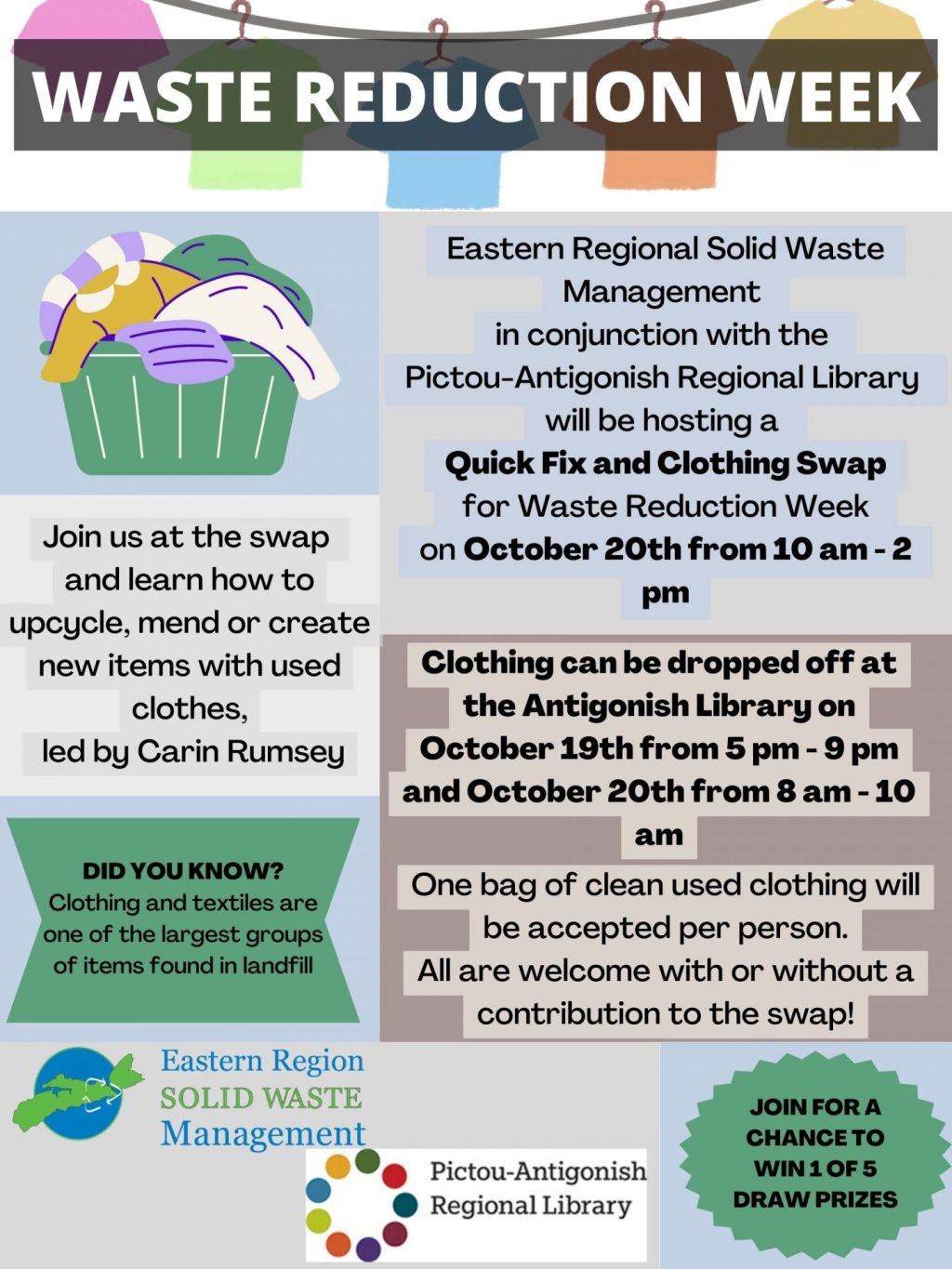
In addition to traditional recycling programs, alternative schools often incorporate upcycling projects into their curriculum. Upcycling involves repurposing old or discarded items to create new products with added value.
These hands-on activities allow students to unleash their creativity while promoting resourcefulness and innovation. Examples of upcycling projects include transforming old t-shirts into tote bags or using plastic bottles as planters for indoor gardens.
Conclusion:
Waste reduction and recycling initiatives implemented by alternative schools play a vital role in shaping environmentally conscious individuals who understand the impact of their actions on the planet. By incorporating composting practices, reducing single-use plastics, adopting a paperless approach through technology integration, implementing comprehensive recycling programs,and encouraging upcycling projects; these institutions provide practical examples for sustainable living within educational settings.
Through these initiatives and education surrounding them; we are fostering a generation that understands the importance of waste reduction and actively seeks innovative solutions to build a more sustainable future for our planet.
 Alternative Amie
Leave a comment