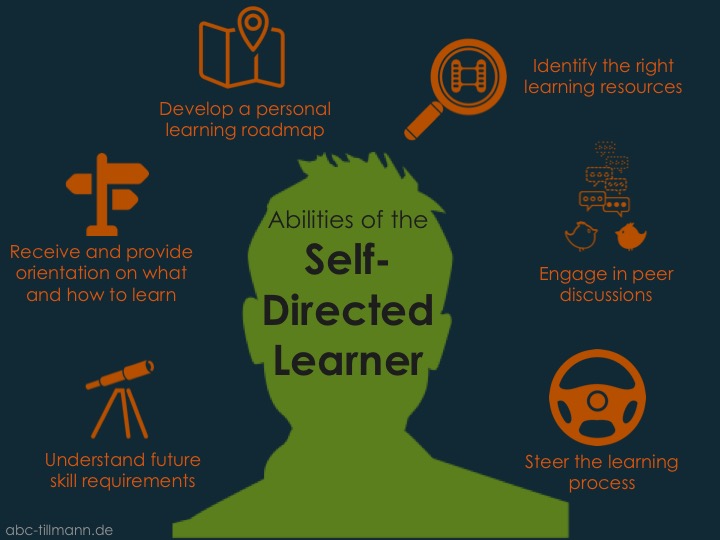
Self-directed education, also known as unschooling or self-paced learning, is a unique approach to education that emphasizes the autonomy and freedom of the learner. It allows individuals to take charge of their own learning journey and pursue their interests and passions in a way that traditional schooling often fails to do. In this article, we will explore the top 10 benefits of self-directed education.
1. Personalized Learning: Self-directed education enables learners to tailor their educational experience according to their individual needs and interests. They have the freedom to choose what they want to learn, how they want to learn it, and at what pace. This personalized approach ensures that learners are fully engaged with the material, making learning more effective and enjoyable.
2. Flexibility: Unlike traditional schools with fixed schedules and rigid curricula, self-directed education offers flexibility in terms of time management. Learners can decide when they study, allowing them to accommodate other commitments such as part-time jobs or extracurricular activities. This flexibility also helps promote a healthy work-life balance.
3. Passion-driven Learning: Self-directed education encourages learners to follow their passions and delve deeper into subjects they genuinely enjoy. By focusing on topics that truly interest them, students are more motivated and enthusiastic about learning. This passion-driven approach fosters creativity, critical thinking skills, and lifelong curiosity.
4. Autonomy & Responsibility: In self-directed education settings, learners take responsibility for planning their own studies, setting goals, managing time efficiently, and evaluating progress independently. This cultivates valuable life skills such as self-discipline, decision-making abilities, problem-solving skills, resilience in facing challenges head-on.
5. Real-world Application: One significant advantage of self-directed education is its focus on real-world application rather than rote memorization or standardized testing-oriented approaches seen in traditional schooling systems. Learners engage in hands-on experiences outside the classroom by participating in internships or projects relevant to their interests. This practical experience equips them with the skills and knowledge required to succeed in the real world.
6. Enhanced Self-awareness: Self-directed education encourages learners to reflect on their strengths, weaknesses, and learning styles. By understanding how they learn best, individuals can choose suitable strategies and resources that align with their unique needs. This self-awareness empowers students to become active participants in their education rather than passive recipients of information.
7. Improved Social Skills: Contrary to popular misconceptions about socialization concerns in self-directed education settings, these environments provide ample opportunities for social interaction. Learners often engage with a diverse range of people from various backgrounds through community programs, interest-based clubs, or online forums. As a result, they develop excellent communication skills and learn how to collaborate effectively with others.
8. Holistic Education: Self-directed education embraces a holistic approach that values all areas of development – emotional, physical, intellectual, and social. Students are encouraged to pursue hobbies outside academics like sports or arts while also nurturing their emotional well-being through practices such as mindfulness or self-reflection exercises.
9. Lifelong Learning Mindset: Self-directed learners develop a lifelong love for learning because they have experienced firsthand the joy of acquiring knowledge without external pressure or coercion. They become adept at seeking out new opportunities for growth throughout life and are more likely to continue pursuing personal interests long after formal schooling ends.
10. Individualized Pathways: Finally, self-directed education recognizes that every individual is unique and requires different pathways towards success. It acknowledges that not everyone thrives under the same educational model and celebrates diversity in learning styles and outcomes.
In conclusion, self-directed education offers numerous benefits over traditional schooling systems by promoting personalized learning experiences tailored to individual strengths and interests while fostering essential life skills such as autonomy, responsibility, creativity, critical thinking abilities along the way.
 Alternative Amie
Leave a comment