Botany Studies: Exploring the Fascinating World of Plants
Introduction:
Botany, the scientific study of plants, encompasses a wide range of disciplines that unveil the mysteries of plant life. From understanding their structure and functions to exploring their ecological relationships, botany studies delve into various aspects that shape our natural world. This article provides an overview of botany studies and highlights its importance in alternative schooling and education.
The Scope of Botany Studies:
1. Plant Anatomy and Physiology:
Botanists investigate the internal structures and functions of plants to unravel their intricate mechanisms. They explore how different tissues work together to facilitate growth, reproduction, nutrient uptake, photosynthesis, respiration, hormone regulation, and other vital processes. Understanding plant anatomy is crucial for comprehending plant adaptations to different environments.
2. Plant Taxonomy:
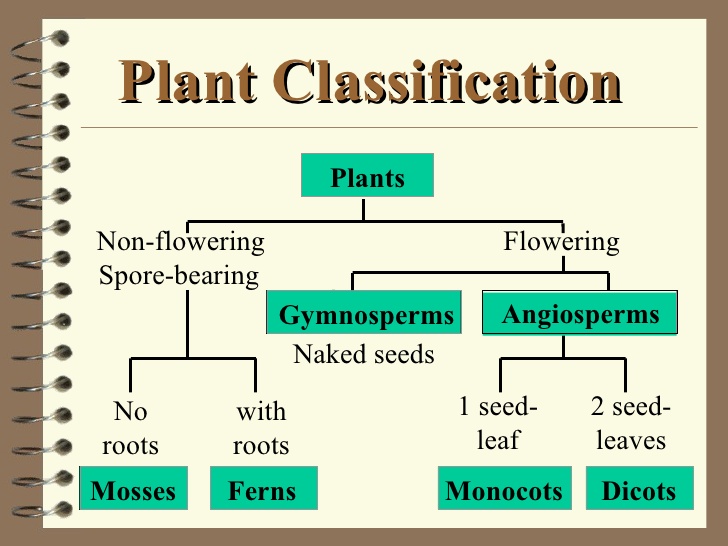
Plant taxonomy involves classifying plants based on shared characteristics and organizing them into hierarchical categories such as family, genus, species, etc. By studying taxonomy, students learn about biodiversity and gain insights into evolutionary relationships among various plant species.
3. Plant Ecology:
Botanists examine how plants interact with their environment – both biotic (living) and abiotic (non-living) factors – within ecosystems. They investigate topics like competition for resources among plants in a community or habitat preferences of certain species. Studying plant ecology helps us understand the delicate balance within ecosystems and informs conservation efforts.
4. Ethnobotany:
Ethnobotanical research explores how people from different cultures interact with plants for medicinal purposes or traditional practices such as food cultivation or crafting materials from plant parts. Learning about ethnobotanical practices fosters cultural appreciation while promoting sustainable use of natural resources.
5. Economic Botany:
Economic botany focuses on the practical uses of plants in commerce and industry. It investigates crops used for agriculture or horticulture purposes as well as those utilized in manufacturing products like paper or textiles. Knowledge gained through economic botany studies contributes to sustainable farming practices and the development of new plant-based industries.
Botany Studies in Alternative Schooling and Education:
1. Hands-on Learning:
One advantage of studying botany in alternative schooling settings is the opportunity for hands-on learning experiences. Field trips to botanical gardens, nature reserves, or local ecosystems provide students with direct exposure to plants in their natural habitats. Engaging in practical activities such as planting seeds, observing plant growth, or conducting experiments fosters a deeper understanding of concepts.
2. Interdisciplinary Connections:
Botany studies often intersect with other scientific disciplines such as ecology, genetics, chemistry, and environmental science. Integrating these subjects can help alternative education programs create holistic learning environments that encourage students to make connections across different fields.
3. Environmental Awareness:
Studying botany cultivates environmental awareness among students by highlighting the importance of plants in sustaining life on Earth. Students learn about issues like deforestation, habitat destruction, invasive species, climate change impacts on vegetation distribution, and more. This knowledge equips them with tools to become informed advocates for conservation and sustainability.
4. Career Opportunities:
A solid foundation in botany opens up diverse career paths for students interested in pursuing professions related to plant sciences. Careers may include working as botanists (studying specific plant groups), horticulturists (cultivating ornamental plants), ecologists (examining plant interactions within ecosystems), ethnobotanists (exploring cultural uses of plants), or educators sharing botanical knowledge with others.
Conclusion:
Botany studies offer a fascinating journey into the world of plants by unraveling their mysteries while shedding light on their ecological significance and practical applications. In alternative schooling and education settings, incorporating botany provides enriching opportunities for hands-on learning experiences while fostering interdisciplinary connections with other scientific disciplines. Moreover, it nurtures environmental awareness among students and prepares them for future careers that contribute positively towards conserving our natural world. Embracing botany in alternative education enhances the holistic development of students and equips them to be stewards of our planet’s botanical treasures.
 Alternative Amie
Leave a comment