Personal Learning Networks: Empowering Alternative Education
In today’s rapidly changing world, education is no longer confined to the walls of a traditional classroom. With the advent of technology and the rise of alternative schooling methods, learners now have access to a vast array of resources and opportunities beyond what was once considered the norm. One such groundbreaking concept that has gained popularity in recent years is Personal Learning Networks (PLNs).
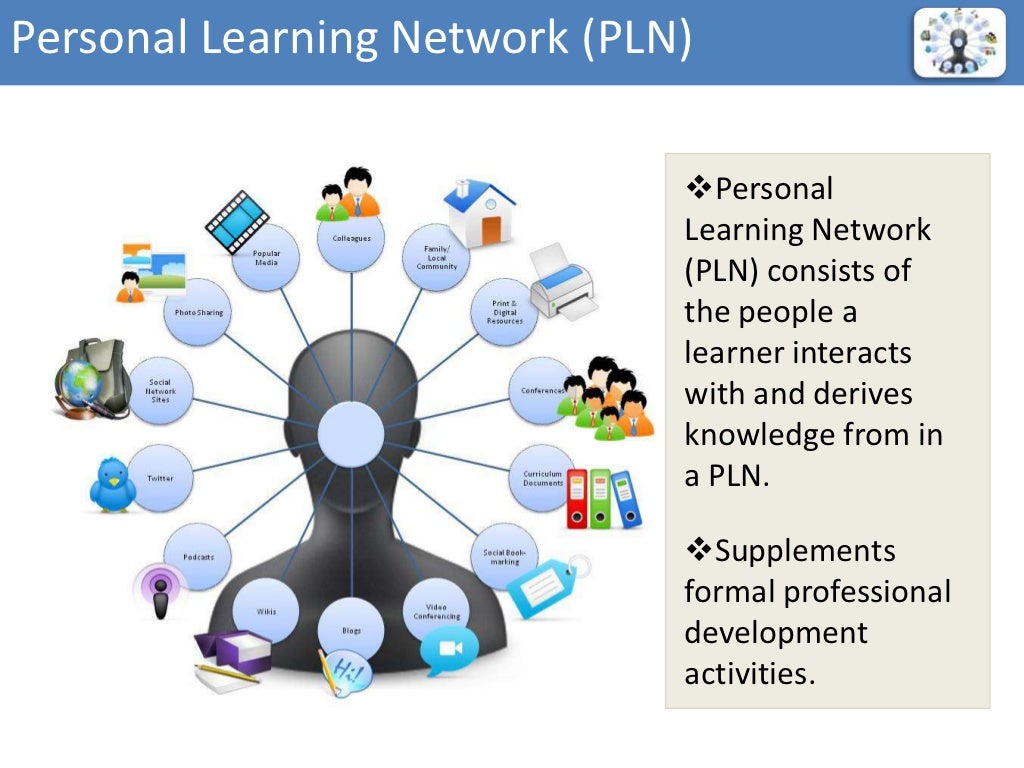
What exactly is a Personal Learning Network? In simple terms, it refers to an individual’s curated network of people, resources, and communities that contribute to their learning journey. These networks are not limited by time or location; they can span across continents and connect individuals with diverse backgrounds and expertise.
The core principle behind PLNs lies in the belief that learning takes place through collaboration, sharing knowledge, and engaging with others who have similar interests or goals. Unlike traditional classrooms where teachers hold all the answers, PLNs empower learners to take control of their own education by actively seeking out information from various sources.
The beauty of PLNs is that they are highly personalized. Each individual can tailor their network according to their unique needs and preferences. Whether you’re passionate about environmental conservation or interested in exploring avant-garde art forms, there’s a community out there waiting for you to join.
Building a Personal Learning Network starts with identifying your passions and areas of interest. Once you’ve determined your focus areas, it’s time to start connecting with like-minded individuals who share those interests. Social media platforms like Twitter, Facebook groups, LinkedIn communities are excellent places to find people who are passionate about similar topics.
Engaging with these communities requires active participation – commenting on posts, asking questions, sharing insights – all contribute towards building relationships within your PLN. It’s important not only to consume content but also actively contribute your ideas and perspectives as well.
Beyond social media platforms dedicated specifically for networking purposes exist online forums catered towards educational discussions. Websites like Reddit, Quora, and Stack Exchange host a plethora of communities where learners can engage in meaningful conversations with experts or fellow enthusiasts.
In addition to connecting with people, PLNs also involve tapping into various resources available online. Blogs, podcasts, webinars, and online courses are just some examples of the vast array of content accessible at your fingertips. It’s crucial to curate these resources mindfully – selecting reputable sources that align with your learning goals.
One significant advantage of PLNs is the ability to learn from diverse perspectives. Traditional education often limits learners to a single textbook or teacher’s viewpoint; however, within a Personal Learning Network, one can access multiple viewpoints on any given topic. This exposure encourages critical thinking and helps individuals develop a well-rounded understanding of complex issues.
Moreover, PLNs allow for continuous learning and growth beyond formal education settings. As technology progresses rapidly and knowledge becomes obsolete at an alarming rate, it’s essential for individuals to keep up with new developments in their field of interest. Through their networks, learners gain access to cutting-edge information as soon as it emerges.
Another key aspect of Personal Learning Networks is mentorship opportunities. Within these networks exist experienced professionals who are willing to guide and support newcomers in their respective fields. These mentors provide invaluable insights based on their wealth of experience and help mentees navigate challenges they encounter along their learning journey.
Furthermore, PLNs offer numerous collaborative opportunities such as group projects or peer-to-peer feedback sessions. By engaging in such activities, learners not only deepen their knowledge but also enhance important skills such as communication and teamwork – skills that are highly valued in today’s job market.
Personal Learning Networks have become especially relevant amidst the COVID-19 pandemic when traditional education systems faced unprecedented disruptions. With schools transitioning to remote learning models overnight, students were left grappling with isolation and limited support systems. However, those who had already established strong PLNs found solace in the connections they had built and were able to continue learning and growing despite the challenging circumstances.
In conclusion, Personal Learning Networks have emerged as a powerful tool for alternative education. By connecting learners with like-minded individuals, resources, and communities, PLNs empower individuals to take control of their own learning journey. They offer diverse perspectives, continuous growth opportunities, mentorship possibilities, and promote collaboration among learners. In an increasingly interconnected world where knowledge is abundant, a robust Personal Learning Network is an invaluable asset that can unlock endless educational possibilities.
 Alternative Amie
Leave a comment