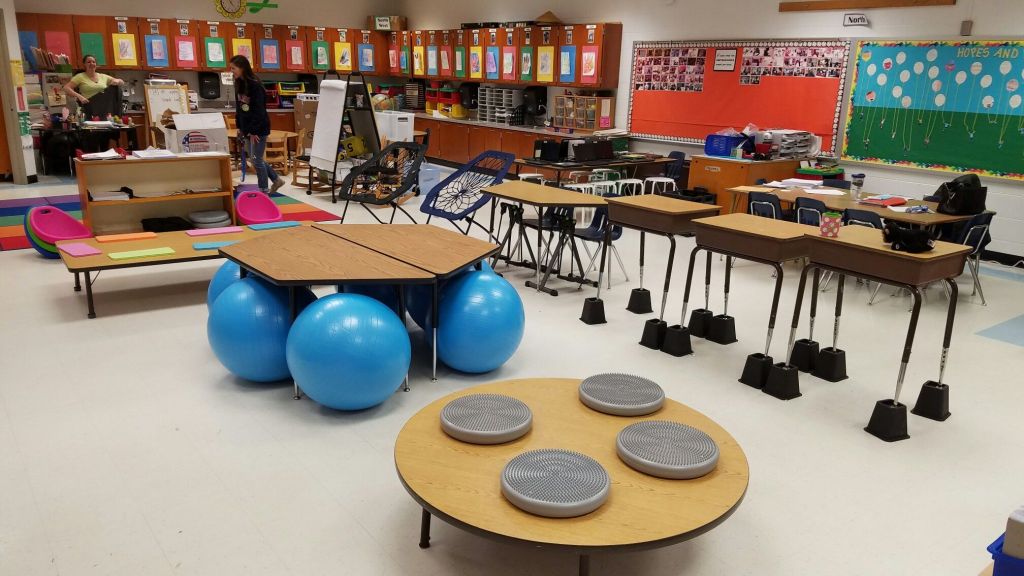
Supporting Student Autonomy and Choice with Flexible Seating
Education is constantly evolving, and one area where we are seeing exciting changes is in the realm of classroom design. Gone are the days of rigid rows of desks, where students were confined to their seats for hours on end. In recent years, there has been a growing trend towards flexible seating, an approach that promotes student autonomy and choice in the classroom. This innovative concept not only creates a more engaging learning environment but also fosters creativity and collaboration among students.
So, what exactly is flexible seating? In simple terms, it involves providing students with various seating options instead of traditional desks and chairs. From bean bags to standing desks to exercise balls, the choices are endless! The idea behind this approach is to empower students by giving them control over their learning environment. By allowing them to choose where they sit based on their individual needs and preferences, we can enhance their overall educational experience.
One of the key benefits of flexible seating is that it supports different learning styles. Not all students thrive in a traditional desk-and-chair setup; some need movement or prefer alternative positions to concentrate effectively. With flexible seating options available, these students can find a space that suits their unique requirements. For instance, kinesthetic learners might benefit from using wobble stools or yoga balls that allow them to fidget while focusing on tasks.
Moreover, when students have agency over their seating arrangements, they feel empowered and motivated to take ownership of their education. They become active participants rather than passive recipients in the learning process. Imagine how much more engaged your average teenager would be if they could choose between sitting at a regular table or lounging comfortably on a cozy couch while working on assignments!
Flexible seating also encourages collaboration among peers by breaking down physical barriers within the classroom space. When given freedom of movement and choice in where they work, students can easily form small groups or pairs for collaborative projects without feeling restricted by their desks. This fosters teamwork, communication, and problem-solving skills – all crucial for success in the modern world.
Furthermore, flexible seating promotes a sense of community within the classroom. When students are not confined to individual desks, they have more opportunities to interact with one another. They can easily move around and engage in discussions or seek help from their peers without disrupting the entire class. This type of environment encourages a supportive atmosphere where students feel comfortable sharing ideas and asking questions.
Implementing flexible seating does require some planning and organization on the part of educators. It is important to establish clear guidelines and expectations for using the different seating options available. Teachers must teach students how to use each type of furniture safely while ensuring that everyone gets a fair chance to try out their preferred choices.
Additionally, it is essential to consider the overall layout of the classroom when introducing flexible seating. The space should be designed in a way that allows for easy movement and avoids congestion or distractions. Creating designated areas for different types of seating can also assist with maintaining order while providing variety.
Of course, like any educational innovation, there may be concerns or challenges associated with implementing flexible seating. Some skeptics argue that it could lead to chaos or distractibility among students if not managed effectively. However, these potential issues can be mitigated through proper guidance and establishing clear boundaries.
It is also worth noting that while flexible seating offers numerous benefits, it may not be suitable for every student or every learning activity. There will still be times when traditional desk-and-chair setups are necessary, such as during tests or certain instructional activities that require focused attention from all learners.
Despite these considerations, many teachers who have implemented flexible seating report positive outcomes in terms of student engagement and motivation levels. Students often express increased satisfaction with their learning environments when given freedom over their seat choice. By embracing this approach, we are sending an important message: we trust our students’ judgment and respect their individual needs.
In conclusion, flexible seating is an exciting and effective way to support student autonomy and choice in the classroom. By offering various seating options, we create a more engaging learning environment that caters to different learning styles and preferences. Flexible seating not only fosters creativity and collaboration but also empowers students to take ownership of their education. While it does require careful planning and management, the positive outcomes make it well worth the effort. So let’s break free from the confines of traditional desks and chairs and embrace a more flexible approach to education!
 Alternative Amie
Leave a comment