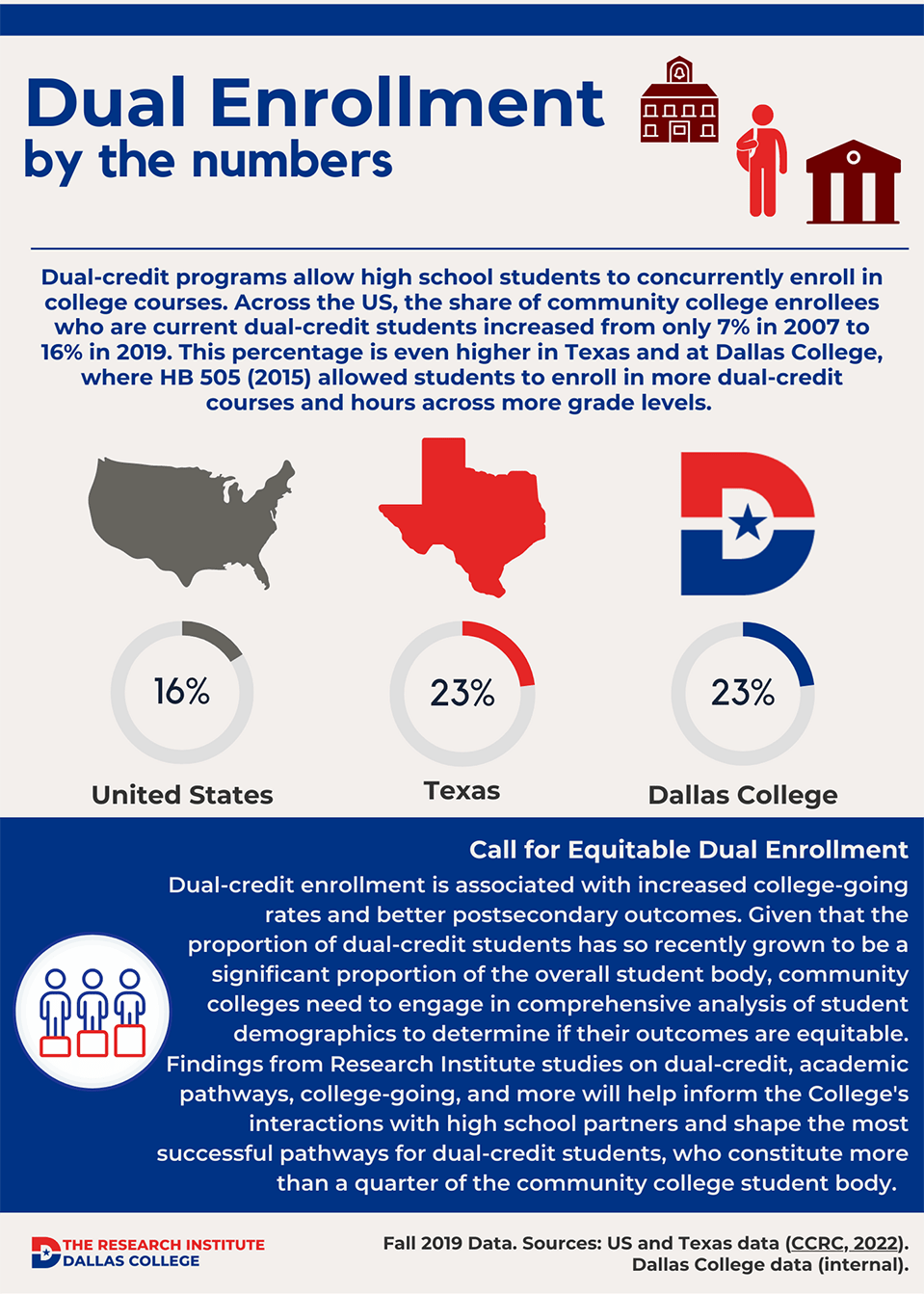
Dual enrollment programs offer a valuable opportunity for high school students to earn college credits while still in high school. These programs not only provide advanced coursework but also expose students to the rigors of higher education, helping them develop essential skills and saving both time and money when they eventually enter college. However, low-income students often face unique challenges when it comes to accessing dual enrollment programs. In this Q&A style post, we will explore some of these challenges and discuss potential solutions.
Q: What are some of the challenges that low-income students face in accessing dual enrollment programs?
A: There are several challenges faced by low-income students in accessing dual enrollment programs. Firstly, financial constraints can be a significant barrier. Dual enrollment courses often come with associated costs such as tuition fees, textbooks, transportation expenses, and other course materials. For families struggling to make ends meet, these additional expenses can deter their children from participating in such programs.
Secondly, logistical issues can pose a challenge for low-income students. Many dual enrollment classes may require traveling to a college campus or another location outside of their high school. This could be particularly challenging if public transportation options are limited or unreliable in their area, leading to difficulty attending classes on time or frequently missing out altogether.
Additionally, lack of information is another obstacle faced by low-income students looking to access dual enrollment opportunities. Without proper guidance and knowledge about these programs’ existence and benefits, many may not even be aware that such options exist for them.
Q: How do these barriers impact low-income students?
A: The barriers mentioned above have far-reaching implications for low-income students seeking access to dual enrollment programs. Financial constraints limit opportunities for academic advancement and deprive these individuals of an equal chance at earning college credits before entering postsecondary education.
Logistical issues related to transportation can lead to increased stress levels and decreased motivation among low-income students attempting to participate in dual enrollment courses. They may feel overwhelmed by the effort required to commute, especially if they are already juggling other responsibilities such as part-time jobs or caring for family members.
Moreover, the lack of information about dual enrollment programs can perpetuate educational inequity. Without knowledge of these opportunities, low-income students may miss out on the chance to challenge themselves academically and gain college-level experience during high school.
Q: Are there any existing initiatives in place to address these challenges?
A: Yes, several initiatives aim to address the challenges faced by low-income students in accessing dual enrollment programs. One such initiative is reducing or waiving tuition fees for eligible students. Many colleges and universities offer financial aid options specifically targeted at low-income individuals. By making these courses more affordable or free, institutions help level the playing field and ensure equal access for all students.
Transportation assistance programs have also been implemented in certain areas to alleviate logistical barriers. These initiatives provide transportation vouchers or arrange bus routes specifically catering to students attending off-campus dual enrollment classes.
Furthermore, efforts are being made to improve access through increased outreach and communication. Schools and organizations are partnering with community centers, libraries, and other public spaces where low-income families frequent in order to disseminate information about dual enrollment opportunities. By effectively reaching out and informing families about available resources, more low-income students can be encouraged to participate.
Q: What can schools and policymakers do to further support low-income students in accessing dual enrollment programs?
A: Schools should prioritize providing comprehensive counseling services that guide low-income students through their academic journey from a young age. This includes educating them about various educational pathways available, including dual enrollment options. School counselors can play a crucial role by identifying potential candidates who would benefit from participating in these programs and helping them navigate the application process.
Policymakers must also allocate sufficient funds towards addressing financial barriers associated with dual enrollment participation for low-income students. This could involve increasing state funding for tuition waivers or grants specifically designated for students from economically disadvantaged backgrounds.
Furthermore, educational institutions and policymakers should explore innovative solutions to address logistical challenges. This could include offering online dual enrollment courses or providing transportation options tailored to low-income students’ needs.
In conclusion, while dual enrollment programs offer immense benefits, low-income students face unique challenges in accessing these opportunities. By addressing financial constraints, improving logistical support, and increasing awareness about dual enrollment programs, we can strive towards a more equitable education system that enables all students to succeed regardless of their socioeconomic background.
 Alternative Amie
Leave a comment