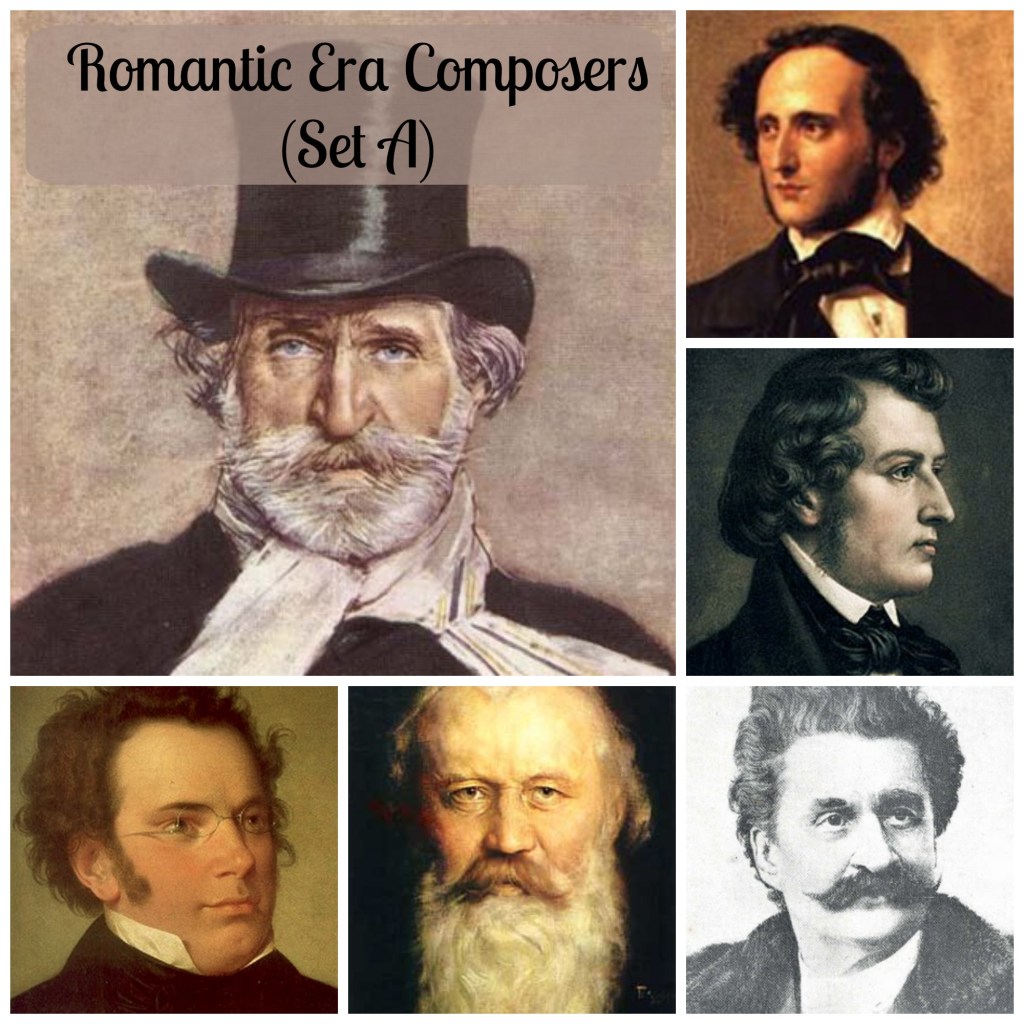
Composer Study: Exploring the World of Music
Music has a unique ability to touch our hearts, uplift our spirits, and transport us to different times and places. It is a universal language that resonates with people from all walks of life. But have you ever wondered about the creative minds behind these beautiful melodies? Composer study is an engaging way to delve into the world of music and understand the genius behind some of history’s greatest compositions.
What is Composer Study?
Composer study is an educational approach that focuses on exploring the lives, works, and contributions of composers throughout history. It involves studying their biographies, listening to their compositions, analyzing their musical styles, and even trying your hand at creating music inspired by them.
Why Should You Incorporate Composer Study?
1. Historical Context: Studying composers allows us to understand how music has evolved over time. By examining different eras such as Baroque, Classical, Romantic or Contemporary periods through specific composers’ works within these genres, we gain insight into historical events and cultural influences that shaped their creations.
2. Cultural Appreciation: Composers come from diverse backgrounds and regions around the world. By studying composers like Mozart from Austria or Bach from Germany, students can appreciate not only their individual contributions but also gain a broader understanding of different musical traditions.
3. Musical Analysis: Through composer study, students develop critical listening skills as they analyze various musical elements such as melody, harmony, rhythm, form or instrumentation used in different compositions. This helps them deepen their appreciation for music while enhancing their ability to articulate what they hear.
How to Get Started:
1. Select Composers: Begin by choosing a few key composers whose works align with your interests or curriculum goals. Consider including both well-known figures like Beethoven or Chopin alongside lesser-known artists who may represent diverse cultures or musical styles.
2. Research Biographies: Encourage students to explore the lives and experiences of the chosen composers. This can include reading biographies, watching documentaries, or even visiting local libraries or museums that may have resources about their lives.
3. Listen and Discuss: Listening to the compositions of each composer is a crucial aspect of this study. Utilize various online platforms, streaming services, or classical music CDs to access their works. After listening, facilitate discussions where students can share their thoughts on what they heard – emotions evoked, favorite pieces, or notable musical characteristics.
4. Creative Expression: To foster deeper engagement with the material, encourage students to create their own compositions inspired by the studied composers’ styles. Students can experiment with different instruments or software programs and even perform their creations for classmates.
5. Field Trips and Performances: If possible, organize field trips to concerts or orchestral performances where students can experience live renditions of compositions by renowned composers. Witnessing talented musicians bring these timeless melodies to life provides an unforgettable educational experience.
Composer study not only enriches our understanding of music but also broadens our cultural horizons and nurtures creativity within ourselves. By exploring the lives and works of composers from different eras and backgrounds, we gain insight into humanity’s shared musical heritage while fostering a lifelong appreciation for the power of music in our lives.
 Alternative Amie
Leave a comment