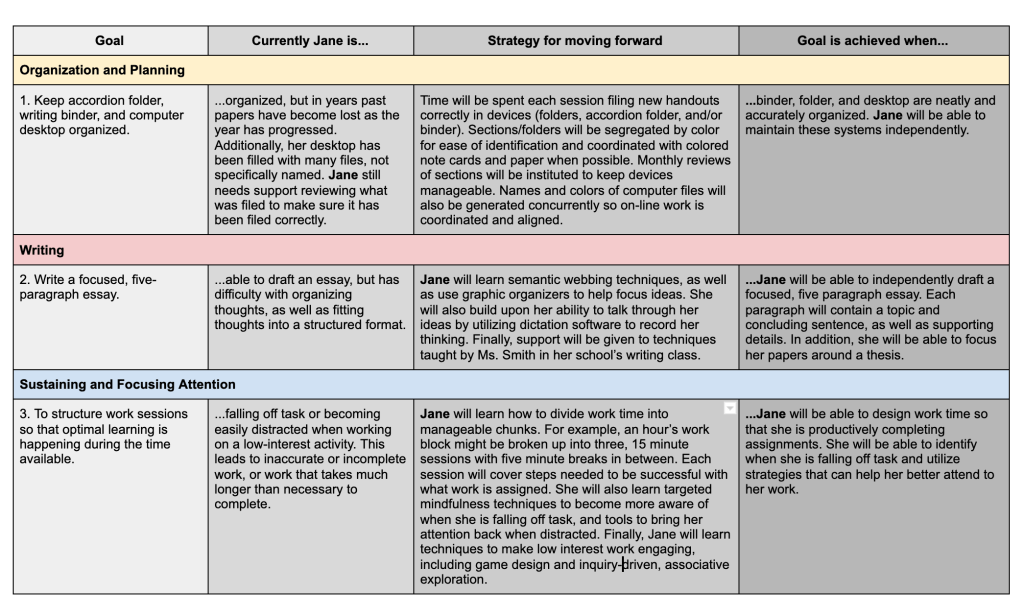
Personalized Learning Plans
Personalized learning plans are an essential component of alternative schooling and education. Unlike traditional classrooms, where all students follow the same curriculum at the same pace, personalized learning plans allow for individualization and customization of a student’s educational journey.
A personalized learning plan is a roadmap that outlines a student’s academic goals, interests, strengths, and weaknesses. It takes into account their unique learning style and preferences. By tailoring instruction to meet the specific needs of each student, personalized learning plans foster engagement and motivation, leading to increased academic success.
Mastery-Based Grading Systems
In mastery-based grading systems, the focus shifts from simply completing assignments to demonstrating proficiency in specific skills or knowledge areas. Students have the opportunity to work at their own pace until they achieve mastery in each area before moving on to the next level or concept.
This approach ensures that students have a deep understanding of content before progressing further. Mastery-based grading systems also eliminate punitive measures such as failing grades or retention. Instead, students are given multiple opportunities to demonstrate their understanding through various assessments.
Competency-Based Assessments
Competency-based assessments are designed to measure a student’s ability to apply knowledge and skills in real-world situations rather than relying solely on traditional tests or exams. These assessments often involve performance tasks or projects that require critical thinking, problem-solving, collaboration, and creativity.
By using competency-based assessments, educators can assess not only what students know but also how well they can apply their knowledge in practical settings. This type of assessment promotes deeper learning and helps prepare students for future careers by emphasizing transferable skills.
Individualized Pacing in Competency-Based Education
In competency-based education models with individualized pacing options, students progress through coursework based on their demonstrated mastery of competencies rather than following a predetermined timeline set by grade levels or semesters.
This allows for flexibility in scheduling as students can move through material at their own speed. Some may progress quickly and complete coursework ahead of schedule, while others may require additional time and support. Individualized pacing ensures that all students have the opportunity to fully understand concepts before moving on.
Project-Based Learning in Alternative Schools
Project-based learning is a popular approach in alternative schools as it promotes active engagement, critical thinking, collaboration, and problem-solving skills. In this approach, students work on extended projects that require them to investigate real-world problems or challenges.
By working on meaningful projects, students develop a deeper understanding of content and acquire important 21st-century skills. They also have an opportunity to showcase their creativity and apply their knowledge in practical ways.
Competency-Based Curriculum Design
Competency-based curriculum design focuses on identifying specific competencies or learning outcomes that students should achieve by the end of a course or program. This approach ensures that curriculum is aligned with desired learning goals and outcomes.
Curriculum is organized around these competencies rather than traditional subjects or topics. Instructional materials, activities, and assessments are designed to help students develop proficiency in each competency.
Authentic Assessment Methods in Competency-Based Education
Authentic assessment methods go beyond traditional tests or exams by evaluating student performance based on real-world tasks or scenarios. These assessments allow students to demonstrate their understanding through application rather than rote memorization.
Examples of authentic assessments include performance tasks, portfolios, presentations, simulations, exhibitions, and internships. By using authentic assessment methods in competency-based education models, educators can provide more accurate measures of student achievement while promoting deeper learning experiences.
Differentiated Instruction in Alternative Schooling
Differentiated instruction recognizes that learners have different strengths, needs,
and preferences. It involves tailoring teaching strategies and materials to meet individual student’s unique needs within the same classroom setting.
In alternative schooling approaches where class sizes are typically smaller compared to traditional schools, differentiated instruction becomes more feasible. Teachers can better focus on each student’s strengths and weaknesses by providing targeted interventions, enrichment activities, or accommodations as needed.
Student Agency and Self-Directed Learning in Competency-Based Education
Competency-based education emphasizes student agency and self-directed learning. Students take ownership of their learning by setting goals, monitoring their progress, and making decisions regarding the pace and path of their education.
This approach fosters independence, critical thinking, problem-solving skills, and resilience. Students become active participants in their educational journey rather than passive recipients of information.
Social-Emotional Learning in Alternative Schools
Alternative schools often place a strong emphasis on social-emotional learning (SEL). SEL helps students develop self-awareness, self-regulation, empathy for others, and interpersonal skills necessary for success both inside and outside the classroom.
SEL is integrated into the curriculum through explicit instruction as well as through creating a positive school climate that promotes collaboration, respect, empathy, and emotional well-being. By prioritizing SEL competencies within alternative schooling models, educators support holistic development and overall student success.
Competency-Based Teacher Training and Professional Development
In competency-based education models or alternative schooling approaches that emphasize personalized learning plans and individualized pacing options for students,
teacher training becomes crucial to ensure effective implementation.
Teachers need to develop proficiency in designing competency-based curriculum,
implementing differentiated instruction strategies,
and using authentic assessments.
Professional development programs should focus on helping teachers develop these essential competencies while also providing ongoing support to address challenges that may arise during implementation.
Competency-Based Education for Students with Special Needs
Competency-based education models can benefit students with special needs by offering personalized learning plans tailored to meet individual strengths,
needs,
and abilities.
By focusing on mastery rather than time spent in class,
students with special needs have the opportunity to progress at their own pace while receiving targeted interventions or additional support where necessary.
Flexible scheduling options can also be beneficial for accommodating therapy sessions or specialized services required by these students.
Technology Integration in Competency-Based Classrooms
Technology integration plays a crucial role in competency-based classrooms.
It supports personalized learning plans by providing access to digital resources,
adaptive learning platforms,
and online assessments.
Technology also allows for individualized pacing as students can access materials and assignments at any time or place.
Teachers can use technology tools to track student progress, provide feedback, and tailor instruction accordingly.
Competency-Based Education for Adult Learners
Competency-based education models are not limited to K-12 settings but are also effective for adult learners.
Adult learners often have prior knowledge and experiences that can be leveraged within a competency-based framework.
The flexibility of individualized pacing options allows adult learners to balance their educational pursuits with work or family responsibilities while focusing on the competencies needed for career advancement.
Community Partnerships and Experiential Learning Opportunities
Alternative schools often collaborate with community partners to provide experiential learning opportunities that enhance classroom instruction. These partnerships may involve internships, service-learning projects, mentorship programs, or guest speakers from various industries.
By engaging with the community,
students gain real-world experience,
develop professional skills,
and establish valuable connections outside of the classroom setting. These experiences reinforce the relevance of their learning and foster a sense of civic responsibility.
Equity and Access in Alternative Schooling Models
Equity and access are central considerations in alternative schooling models as they strive to provide equal opportunities for all students regardless of their backgrounds or abilities.
Competency-based education promotes equity by focusing on mastery rather than time spent in class. Students who need additional support receive targeted interventions until they achieve proficiency without falling behind their peers.
Alternative schools also emphasize creating inclusive environments where diverse student populations feel valued and supported. This includes providing appropriate accommodations, fostering cultural competency among staff members, and addressing systemic barriers that may limit access for certain groups of students.
Competency-Based Education for Gifted and Talented Students
Gifted and talented students benefit from competency-based education models as it allows them to progress at a faster pace and delve deeper into complex topics.
By providing individualized pacing options, these students can move through material quickly while still being challenged with more advanced or specialized content.
Flexible scheduling options in competency-based schools also allow gifted and talented students to pursue enrichment activities, independent projects, or dual enrollment opportunities that align with their interests and abilities.
Flexible Scheduling Options in Competency-Based Schools
Competency-based schools often offer flexible scheduling options to accommodate the diverse needs of students. This includes alternative school calendars,
such as year-round schooling or extended day programs,
as well as online or blended learning models that provide flexibility in terms of time and location for completing coursework.
Flexible scheduling allows students to balance their academic pursuits with extracurricular activities,
part-time jobs,
or family responsibilities.
It also provides opportunities for personalized learning plans where students can take courses based on availability rather than predefined schedules.
Transferring Credits and Competencies Between Schools or Districts
Transferring credits and competencies between schools or districts is an essential consideration in competency-based education models.
Since these models focus on mastery rather than seat time,
students who transfer between schools have a smoother transition as they can bring their demonstrated competencies with them.
Schools may use credit equivalency frameworks or portfolio assessments to evaluate transferred competencies. This ensures that students do not repeat coursework unnecessarily but are appropriately placed based on their demonstrated proficiency levels.
Parental Involvement and Support in Alternative Schooling Approaches
Parental involvement plays a crucial role in supporting student success within alternative schooling approaches.
Parents are encouraged to actively engage in their child’s educational journey by collaborating with teachers, attending parent-teacher conferences, volunteering at the school, or participating in decision-making processes related to personalized learning plans.
Alternative schools often provide resources, workshops, or training opportunities specifically tailored for parents. These initiatives empower parents to support their child’s academic progress effectively and create a strong home-school partnership.
In conclusion, alternative schooling and education approaches offer a range of innovative strategies to meet the diverse needs of students. Personalized learning plans, mastery-based grading systems, competency-based assessments, individualized pacing options,
and project-based learning are just some of the key components that foster engagement, promote deeper learning, and prepare students for success in the 21st century. Additionally,
equity and access,
technology integration,
student agency,
social-emotional learning,
and community partnerships are crucial considerations within alternative schooling models. By continuously focusing on student-centered practices and providing ongoing professional development opportunities for educators,
alternative schools can create inclusive environments where all students thrive academically and personally.
 Alternative Amie
Leave a comment