Personalized learning has become a buzzword in education circles over the past decade, but its roots can be traced back to early pioneers such as John Dewey and Maria Montessori. The concept of personalized learning centers around tailoring education to meet the individual needs and interests of each student.
Traditionally, education has followed a one-size-fits-all approach, with teachers delivering the same content and lessons to a whole class. This method often leaves some students feeling bored or unchallenged while others struggle to keep up. Personalized learning aims to address these issues by allowing students to progress at their own pace and explore topics that interest them.
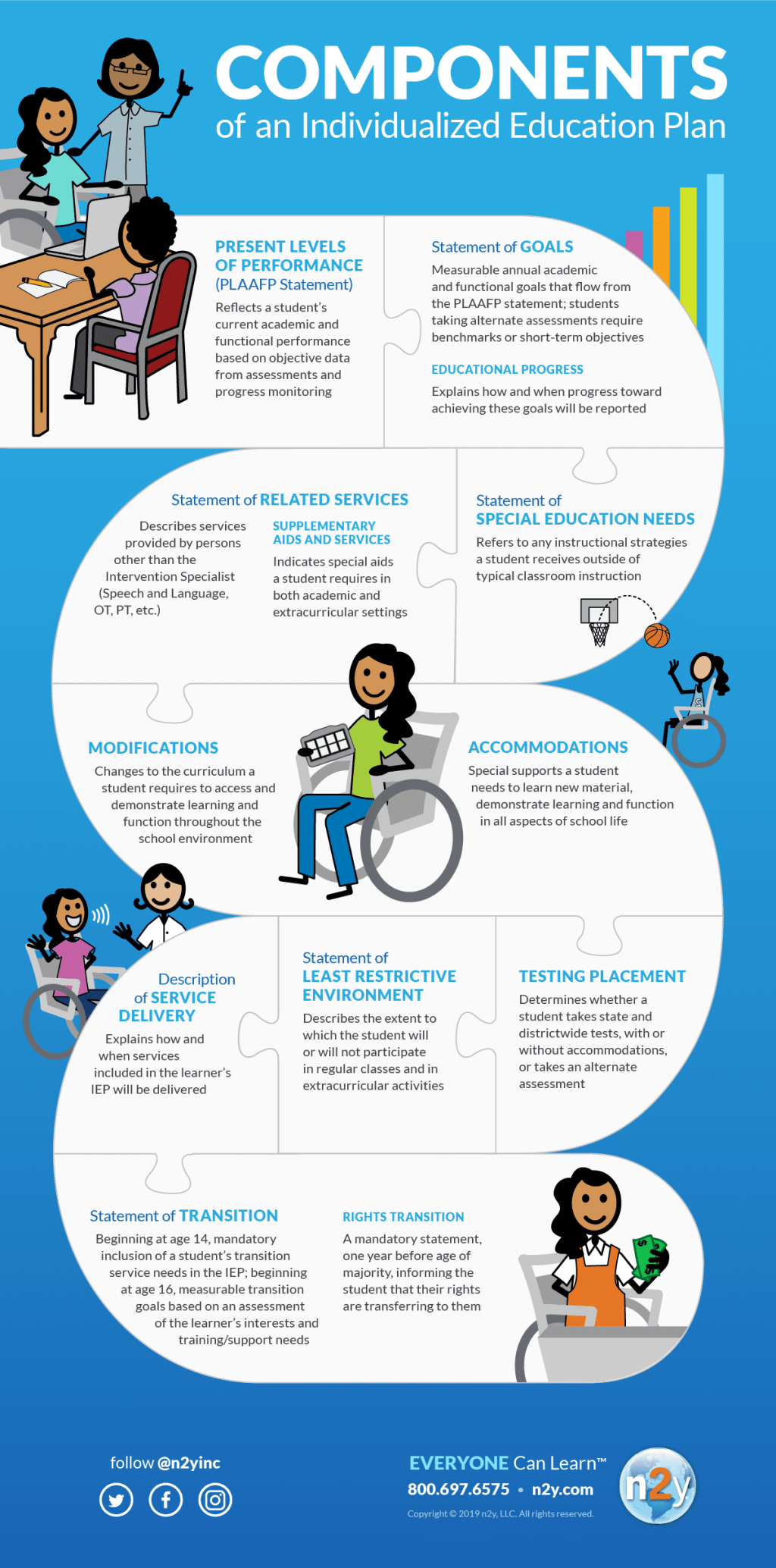
One key aspect of personalized learning is individualized instruction. Teachers work closely with each student to identify their strengths, weaknesses, and goals. Based on this information, customized lesson plans are created for each student, ensuring they receive targeted support where needed and are challenged appropriately.
Technology plays an integral role in personalized learning as it enables access to a wide range of resources and tools tailored to individual needs. Online platforms provide interactive activities, videos, quizzes, and simulations that cater specifically to each student’s level of understanding. This allows students to engage with the material in a way that suits their preferred learning style.
Another important component of personalized learning is giving students autonomy over their own educational journey. They are encouraged to set goals for themselves based on their interests and aspirations. Students take ownership of their learning by creating project-based assignments or pursuing independent research projects aligned with their passions.
Critics argue that implementing personalized learning on a large scale might be challenging due to logistical constraints such as class sizes and limited resources. However, proponents believe that even small steps towards personalization can have significant benefits for all learners.
In conclusion, personalized learning offers an exciting alternative approach in education by recognizing the unique needs and abilities of every student. By tailoring instruction according to individual interests, abilities, and goals combined with technology integration, personalized learning has the potential to create a more engaging and effective educational experience for all students.
 Alternative Amie
Leave a comment