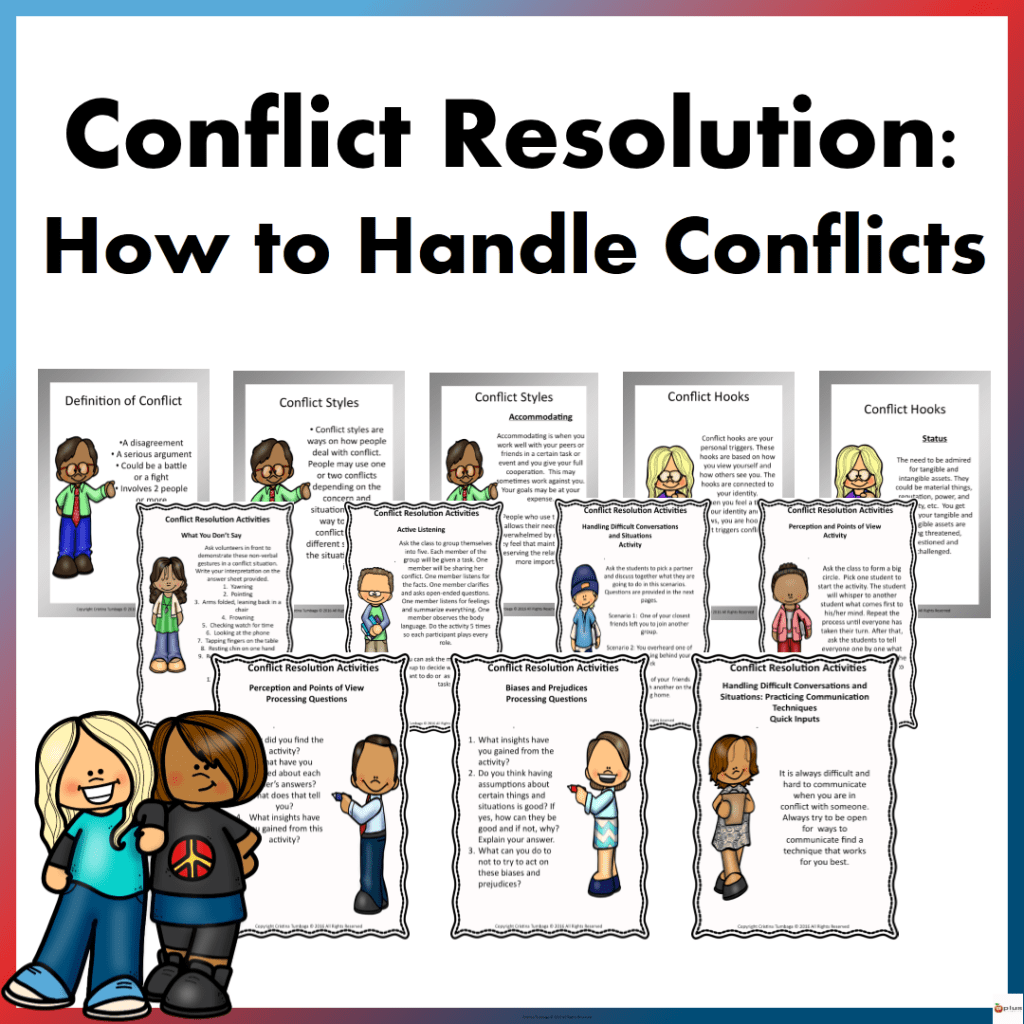
Conflict resolution skills are vital for students and teachers alike. In any educational setting, conflicts can arise due to differences in opinions, misunderstandings, or simply the diverse nature of the individuals involved. However, conflicts should not be seen as negative experiences but rather as opportunities for growth and learning. Developing effective conflict resolution skills can help create a more harmonious environment where everyone feels heard and respected. Here are some essential conflict resolution skills that both students and teachers can benefit from:
1. Active listening: One of the most important aspects of resolving conflicts is actively listening to each other’s perspectives without interruption or judgment. This helps foster understanding and empathy.
2. Empathy: Being able to put yourself in someone else’s shoes allows you to see things from their perspective and understand their feelings better. Empathy promotes open-mindedness and creates an atmosphere of mutual respect.
3. Effective communication: Clear communication is key when it comes to resolving conflicts peacefully. Encourage students and teachers to express themselves calmly, using “I” statements instead of blaming others.
4. Nonviolent language: Teach alternative ways of expressing frustration or anger without resorting to aggressive or hurtful language that may escalate the situation further.
5. Problem-solving skills: Conflict resolution often involves finding solutions that satisfy all parties involved through negotiation and compromise. Encourage brainstorming ideas together to find common ground.
6. Emotional regulation: Help students recognize their emotions during a conflict and provide strategies for managing them constructively, such as deep breathing exercises or taking a break before engaging in discussions.
7.Positive reinforcement: Acknowledge individuals who demonstrate effective conflict resolution skills by praising their efforts publicly, encouraging others to follow suit.
8.Mediation training: Train selected students or teachers as mediators who can facilitate peaceful resolutions between conflicting parties impartially.
9.Cultural sensitivity: Emphasize the importance of embracing diversity within schools by promoting cultural sensitivity among students and staff members alike – this fosters understanding and reduces conflicts arising from misunderstandings.
10. Conflict resolution workshops: Organize workshops or seminars that focus on conflict resolution techniques, inviting experts or professionals to share their insights and experiences.
11. Restorative justice practices: Implement restorative practices, such as circle discussions or peace circles, where individuals involved in a conflict can openly share their thoughts and feelings in a structured setting.
12. Role-playing exercises: Engage students in role-playing activities that simulate real-life conflicts, allowing them to practice and develop their conflict resolution skills in a safe environment.
13. Continuous evaluation: Regularly assess the effectiveness of conflict resolution strategies implemented within the school context – gather feedback from students, teachers, and staff members to identify areas for improvement.
14. Parent involvement: Encourage parents to be active participants in promoting conflict resolution by providing resources for them to engage with their children at home on this topic.
Remember that developing conflict resolution skills takes time and practice. It is crucial for both students and teachers to understand that disagreements are natural but can be resolved peacefully through effective communication, empathy, problem-solving, and a commitment to mutual respect. By equipping individuals with these essential skills early on, we lay the foundation for creating inclusive learning environments where everyone can thrive.
 Alternative Amie
Leave a comment